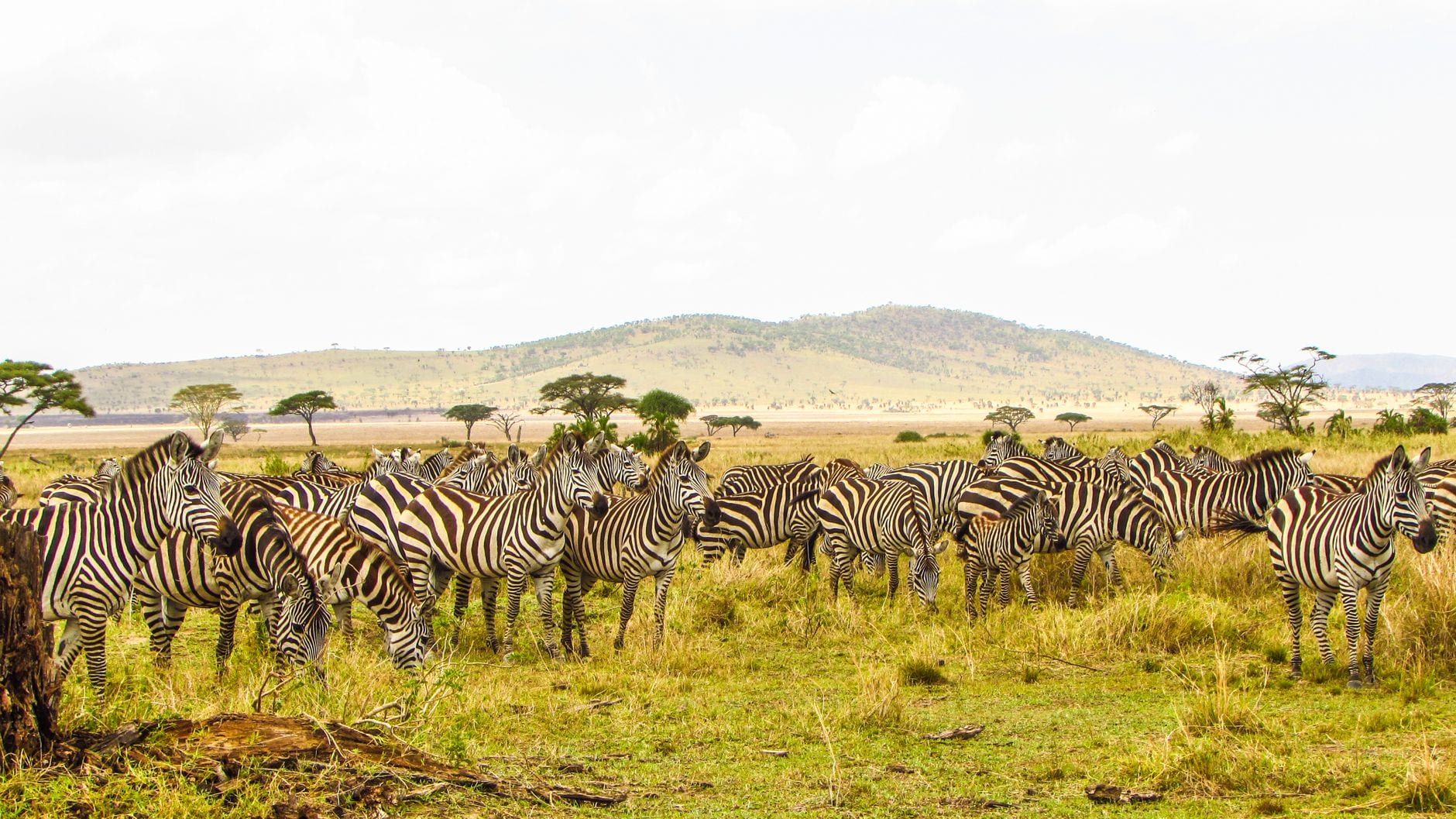
Roughly two million wildebeest are on the move across the Serengeti right now, walking a loop they've walked for longer than anyone's been counting. Tanzania's Wildlife Research Institute put the 2023 count at 1.3 to 2.5 million animals, plus hundreds of thousands of zebra trailing along for the same grass. It isn't a single event with a start date. It's a year-round circuit driven by rain, and where you stand on any given week decides whether you watch a calf drop in the grass or a herd stall on a riverbank, deciding whether to jump.
This guide breaks down what's actually moving, why, and — the part every planner actually needs — which month puts you in which corner of the park. For gate times and entry costs, see our Serengeti opening hours and entry fees guide; this one is about timing your visit to the herds themselves.
What Is the Great Migration?
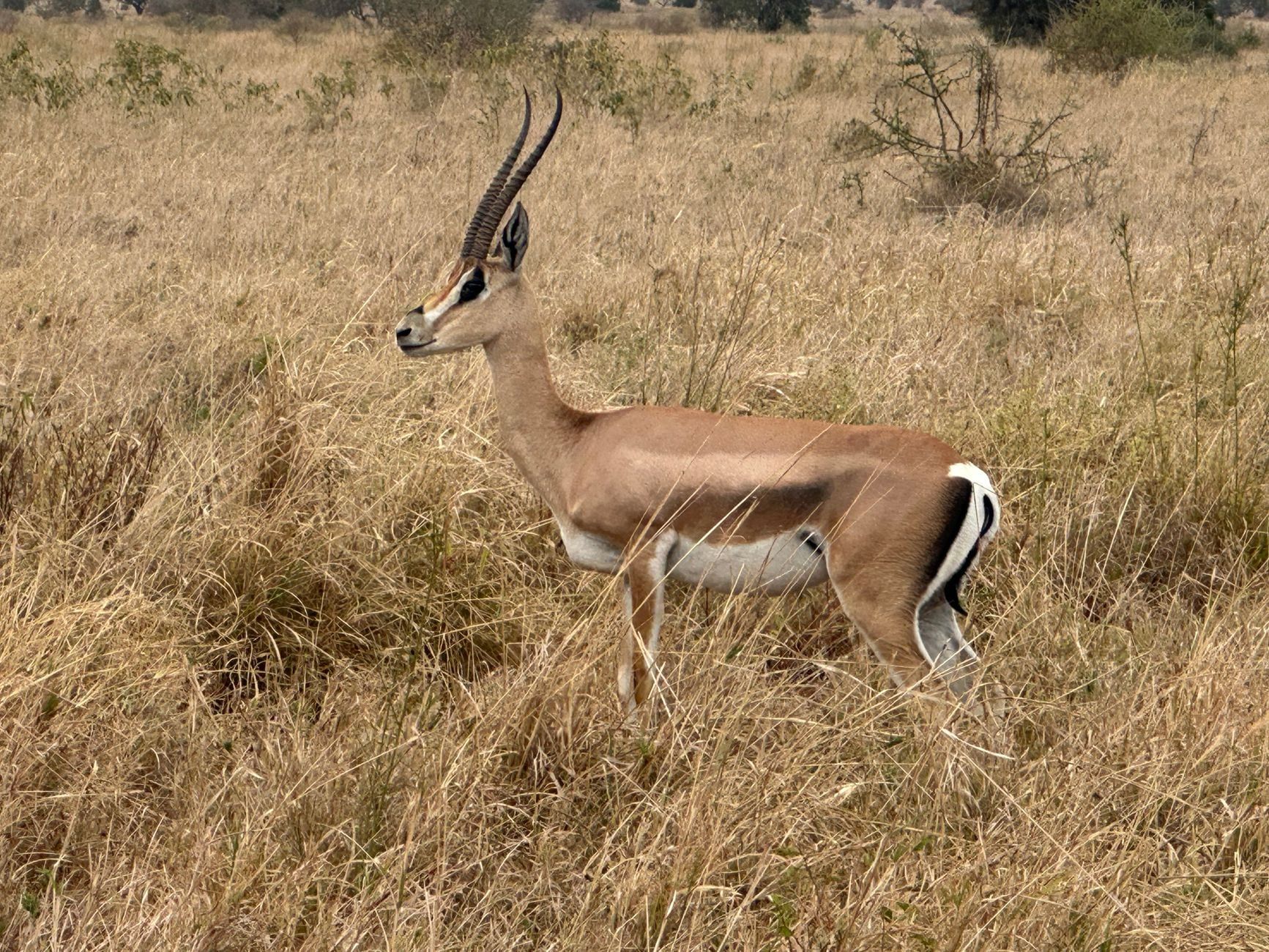
The Great Migration is the continuous, clockwise movement of wildebeest, zebra and gazelle around the Serengeti-Mara ecosystem, chasing rain and fresh grass. Wildebeest make up around 60% of the moving mass, with roughly 300,000 zebra and thousands of Thomson's and Grant's gazelle and eland alongside them. The full loop covers something like 800 kilometers a year, though no two years trace the same line. Serengeti National Park itself, at 14,763 square kilometers, is only the core of a much bigger ecosystem — it connects, unfenced, to the Ngorongoro Conservation Area, the Maswa, Grumeti and Ikorongo reserves, and Kenya's Maasai Mara.
Tanzania gets the lion's share of the show. Herds spend roughly eight to nine months of the year inside the Serengeti and only cross into Kenya's Maasai Mara for a stretch around the Kenyan dry season. That's why this guide is built around Serengeti zones rather than a Kenya-first itinerary — for most of the year, the drama is happening south of the border. Read more on the ecosystem's history on our Serengeti National Park overview.
Why the Wildebeest Migrate
Wildebeest don't wander at random — they follow rain. Short rains arrive in November and long rains from March through May, and the herds track whichever patch of the ecosystem just got wet enough to sprout new grass. The southern plains near Ndutu sit on volcanic soil washed down from the Ngorongoro highlands, producing short grass loaded with minerals a nursing wildebeest needs. That's why calving season lands there. The catch is that same grass dries out fast, so the herds that gathered to give birth get pushed north again within weeks.
The open, flat plains around Ndutu also give calves a fighting chance. A newborn wildebeest can outrun a hyena within days, but only if a predator can be spotted coming from a distance — cover works against the calves as much as for them. None of this runs on a fixed schedule. The whole system depends on where and when rain actually falls each year, which is why every river-crossing date you read, including on this page, is an informed guess built from past seasons, not a forecast.
The Great Migration Month by Month
Here's the year mapped to zones, built from typical patterns rather than any single year's exact route.
| Months | Serengeti Zone | What's Happening |
|---|---|---|
| Dec-Mar | Southern plains (Ndutu, Naabi Hill) | Calving season — about 500,000 calves born, peaking near 8,000 a day in February |
| Apr-May | Central & Western Serengeti (Seronera, Moru) | Long rains push herds north; rutting season begins |
| Jun | Western Corridor | Herds mass along the Grumeti River before crossing |
| Jul | Western Corridor / Grumeti River | Grumeti crossings; herds push on toward Ikoma |
| Aug-Sep | Northern Serengeti (Kogatende) | Mara River crossings peak; busiest, most photographed month |
| Oct-Nov | Lobo, Loliondo | Return trek south as short rains begin |
Treat every row as a strong tendency, not a fixed appointment. A dry October or a wet April can shift the whole schedule by weeks, and camps on the ground adjust game-drive plans daily based on radio reports from other vehicles.
River Crossings: Grumeti and Mara
The Grumeti River crossing happens first, generally through June and July as herds push west through the Western Corridor. The river here is narrower, its channels pooled and often shallow enough to wade rather than swim, but it still holds some of the Serengeti's largest Nile crocodiles. It draws far fewer vehicles than the Mara crossings, which makes it a quieter, still-dangerous warm-up act.
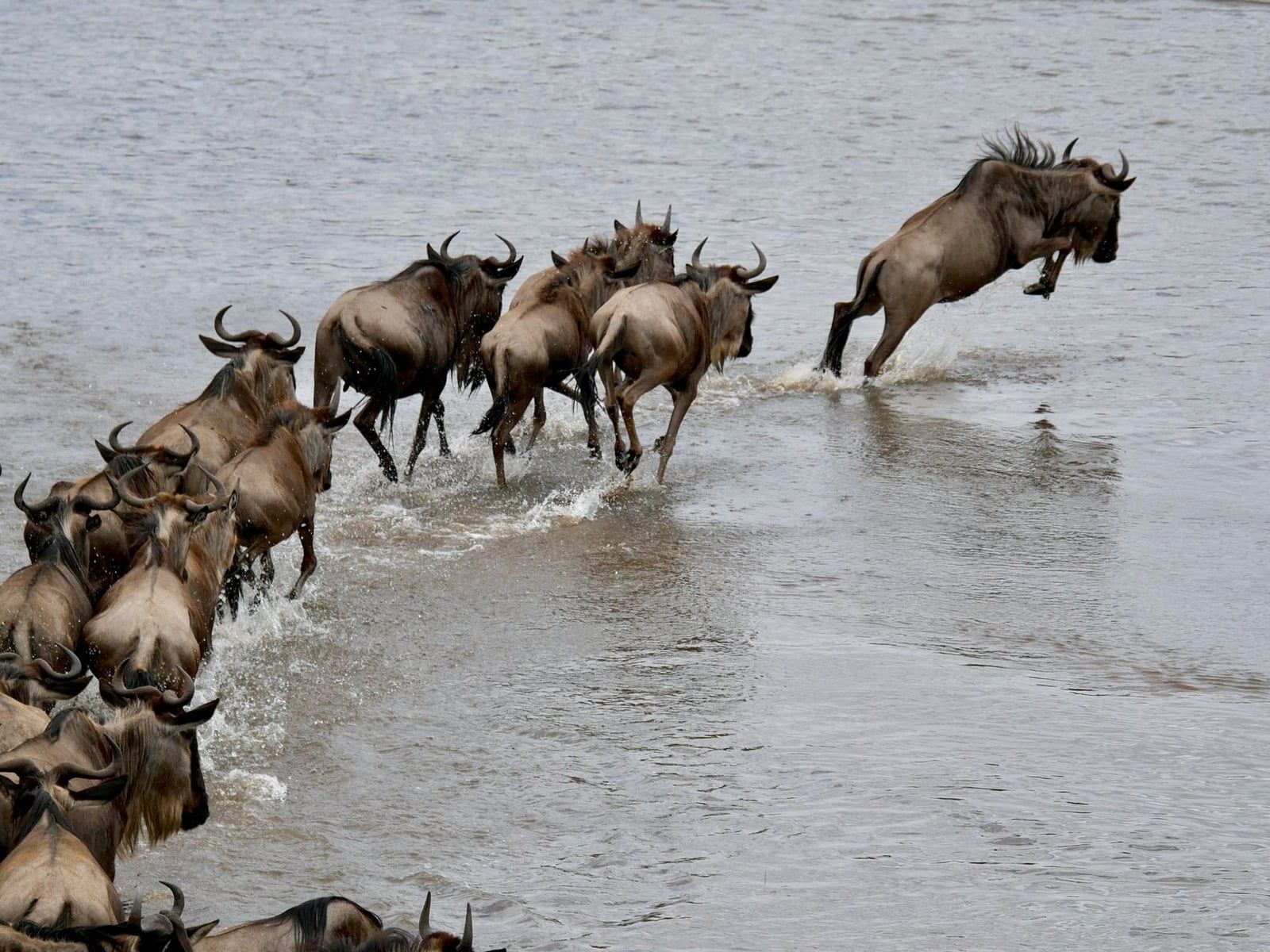
The Mara River crossing, from roughly July through September in the Northern Serengeti around Kogatende, is the one every photo you've seen was taken at. Banks run steep and the current is fast enough to sweep a wildebeest downstream, and thousands of animals can pile up on one bank for hours, or days, before anything happens. When they finally go, they go in a single stampeding rush of dust, spray and open jaws.
Nobody, not the guides, the camps, or this website, can tell you the exact day a crossing will happen. Herds arrive at a riverbank and sometimes cross within minutes; other times they linger for a week, split into two groups, or turn around and walk away entirely. An estimated 250,000 wildebeest and 30,000 zebra die during the migration each year from drowning, predation, exhaustion and thirst, and the river crossings account for a large share of that toll. The practical fix is time: book at least three or four nights at a crossing-point camp rather than a single overnight, and check our Serengeti migration tours for itineraries built around exactly that stretch of river.
Best Time and Place to See the Migration by Interest
Calving, crossings or crowds — whichever matters most to you should decide where you book, more than the calendar month on its own.
| Priority | Best Months | Where to Base Yourself |
|---|---|---|
| Newborn calves & predator action | January-March | Ndutu / southern plains |
| Grumeti River crossings | June-July | Western Corridor |
| Mara River crossings | July-September | Northern Serengeti (Kogatende) |
| Big herds, fewer vehicles | April-May | Central & Western Serengeti |
| Combine with Ngorongoro Crater | Year-round | Southern Serengeti, 2.5-3 hrs from the crater rim |
Ngorongoro Crater sits about 145-157 kilometers and a two-and-a-half to three-hour drive from Seronera, close enough to add on to any Serengeti itinerary along with a stop at Olduvai Gorge on the way. Combining with Kenya's Maasai Mara is a different proposition — same ecosystem, but a separate border crossing, so most travelers pick one country per trip rather than chasing the herd across a checkpoint. Our Serengeti and Ngorongoro safari tours pair the two parks without the extra logistics.
August and September see more vehicles per sighting than any other month, since everyone wants the Mara crossing. If crowds bother you more than a slightly lower chance of a crossing, April and May's green season delivers big herds in the Western and Central Serengeti with a fraction of the traffic, plus lower camp rates.
Where to Stay: Matching Camps to the Migration
Camp location matters more here than at almost any other safari destination, because the animals you came for are only in one part of the park at a time. Ndutu-area camps put you inside the calving grounds from December through March; Western Corridor camps line up with the Grumeti crossings in June and July; camps around Kogatende in the far north are built specifically around the Mara River season from July to September. Seronera, in the center, has resident lion prides and leopards along the river year-round and works as a flexible base if you're not chasing one specific event.
Mobile camps pack up and follow the herd, so they can sit closer to the action than a fixed lodge in the same month, at the cost of simpler facilities — bucket showers, shared charging points, canvas walls instead of concrete. Permanent lodges trade some of that flexibility for hot running water and often Wi-Fi. Book six to twelve months ahead for camps in the January-February calving window or the June-September crossing season; the best-positioned properties in those windows are small and go fast. Browse Serengeti safari tours built around each migration phase, or luxury tours if permanent-lodge comfort matters more to you than the exact riverbank.
Predators of the Migration
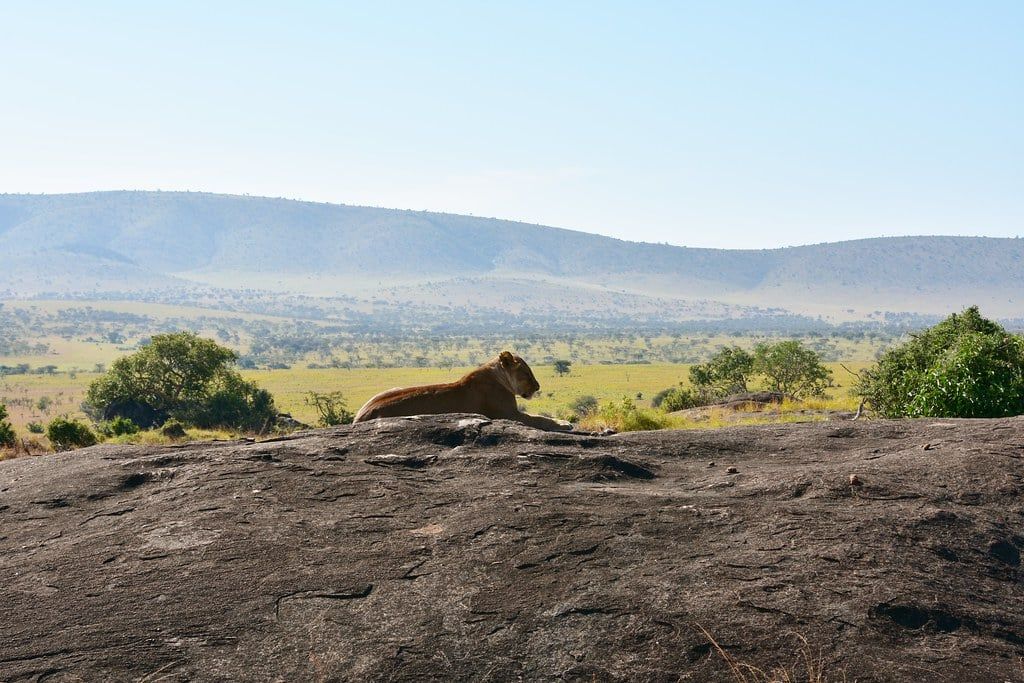
The Serengeti holds one of Africa's largest lion populations, estimated at around 4,000 individuals, and calving season concentrates them around Ndutu and Seronera where newborn wildebeest are easy pickings. Prides here hunt from kopjes, granite outcrops that give them shade and a lookout over the plains, and a pride resting on one in the afternoon heat is one of the more reliable sightings in the park.
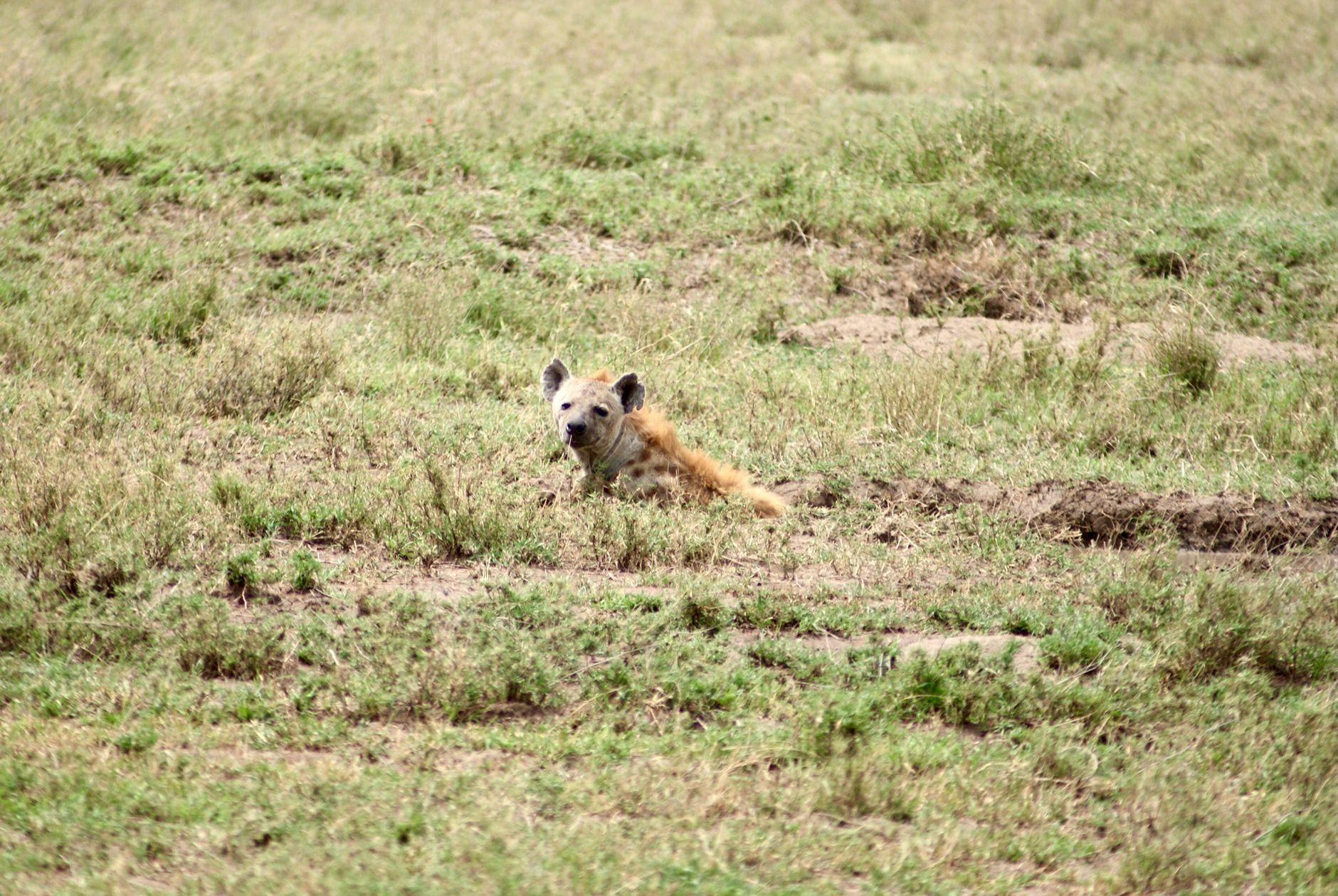
Spotted hyenas work the margins of every herd, running down stragglers and calves. Cheetahs, of which the park holds around 225, hunt the open plains in short daylight bursts where speed counts for more than cover. Leopards, roughly 1,000 of them, stay closer to riverine trees and take prey less tied to the migration itself, while African wild dogs, rare and mostly seen in the north, hunt in packs that can run a wildebeest calf to exhaustion. The sheer size of the migrating herds is exactly why predator numbers stay this high — it's a food supply that never runs out, just moves.
Frequently asked questions
What is the best month to see the Great Migration in the Serengeti?
It depends on what you want to see. February puts you in the middle of calving season near Ndutu; June and July line up with Grumeti River crossings in the Western Corridor; July through September is peak Mara River crossing season in the north. Overall tourist traffic peaks June through September regardless of which event you're chasing.
Is the Great Migration in Kenya or Tanzania?
Both countries share one ecosystem, but Tanzania has it for most of the year. Herds are typically in the Serengeti for around eight to nine months, crossing into Kenya's Maasai Mara only from roughly July or August through October.
Can you predict exactly when a river crossing will happen?
No. Crossings depend on rainfall and on herd behavior that shifts by the day — animals can wait for days at a riverbank, cross and re-cross repeatedly, or turn back without warning. Booking four or more nights at a crossing-point camp meaningfully improves your odds over a single overnight stop.
How many wildebeest die during the Great Migration each year?
Around 250,000 wildebeest and roughly 30,000 zebra die annually from drowning, predation, exhaustion, thirst and hunger over the course of the migration, much of it concentrated at the river crossings.
How many wildebeest take part in the Great Migration?
Tanzania's Wildlife Research Institute's 2023 census counted between 1.3 and 2.5 million wildebeest, moving alongside roughly 200,000 to 400,000 zebra and thousands of gazelle.
How many days do I need on safari to see the migration?
Plan for at least four to six nights at a camp positioned in the right zone for your travel dates. Given how unpredictable a single river crossing is, a one- or two-night stop cuts your odds significantly.
Do I need to book far in advance to see the migration?
Yes. Camps in the calving zones (January-February) and the crossing zones (June-September) are small and get booked out six to twelve months ahead, sometimes longer for the most popular weeks.