Serengeti Balloon Safari: Cost, Launch Sites, What to Expect & Is It Worth It
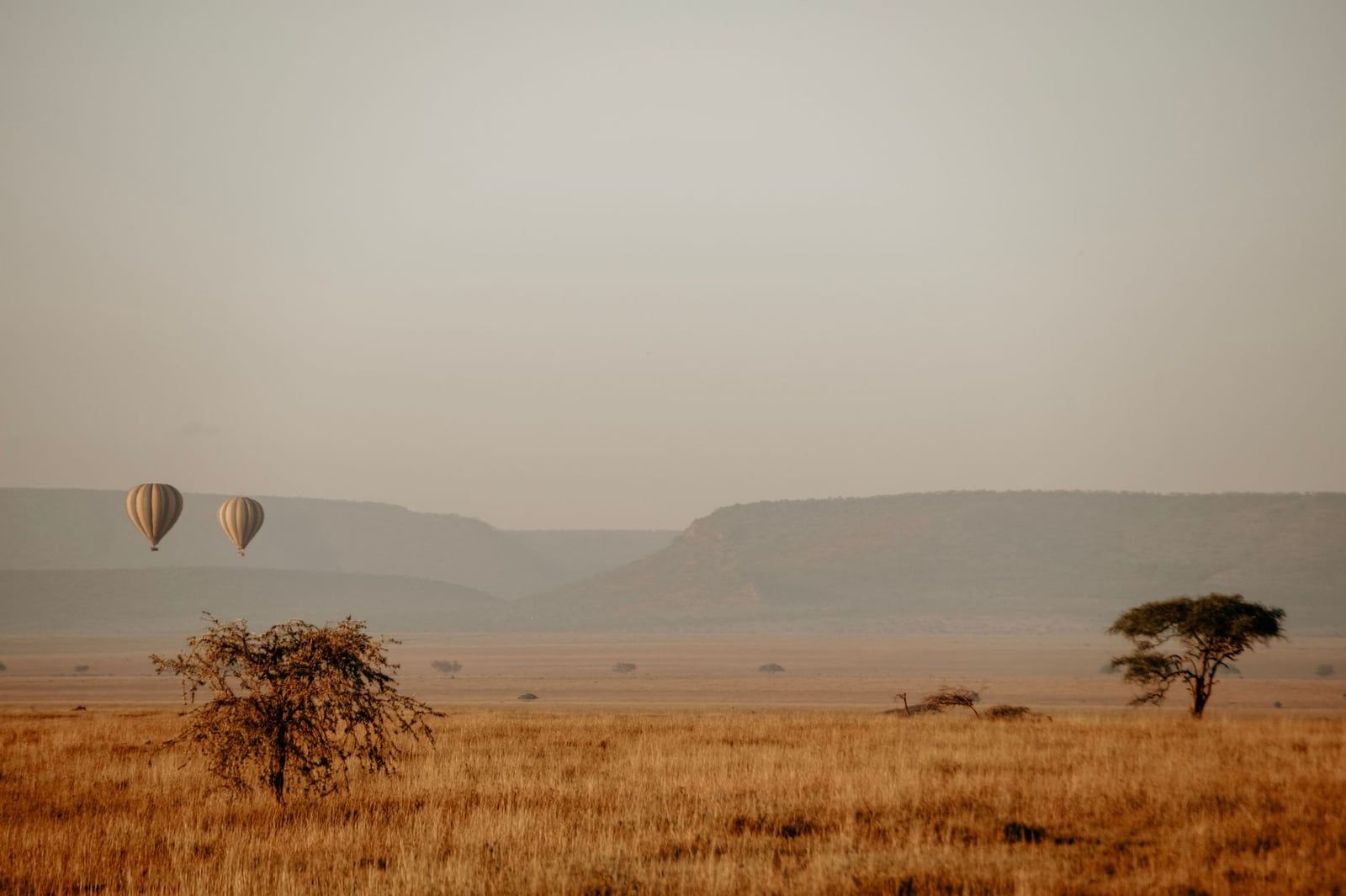
A hot air balloon lifts off the Serengeti plains in the dark, before dawn, and drifts silently over the grass as the sky turns orange over the acacia trees. Passengers watch wildebeest columns, giraffe, and the occasional lion pride from a few hundred meters up, then land for a champagne breakfast laid out in the open bush. It's one of the priciest add-ons to a Tanzania safari, and one of the most requested.
This guide covers what you'll actually pay, where the four launch sites are and which one matches your travel dates, the full morning's timeline from wake-up to touchdown, and whether the splurge makes sense for your particular trip.
What Is a Serengeti Balloon Safari?
A Serengeti balloon safari is a sunrise hot air balloon flight over the park's plains, launching around 6am and ending with a champagne bush breakfast once you're back on the ground. It's become one of the most-requested add-ons to a Serengeti safari — nothing else on the itinerary shows you the whole ecosystem at once: herds scattered across the grass, kopjes throwing long shadows, the Mara or Grumeti glinting somewhere in the distance.
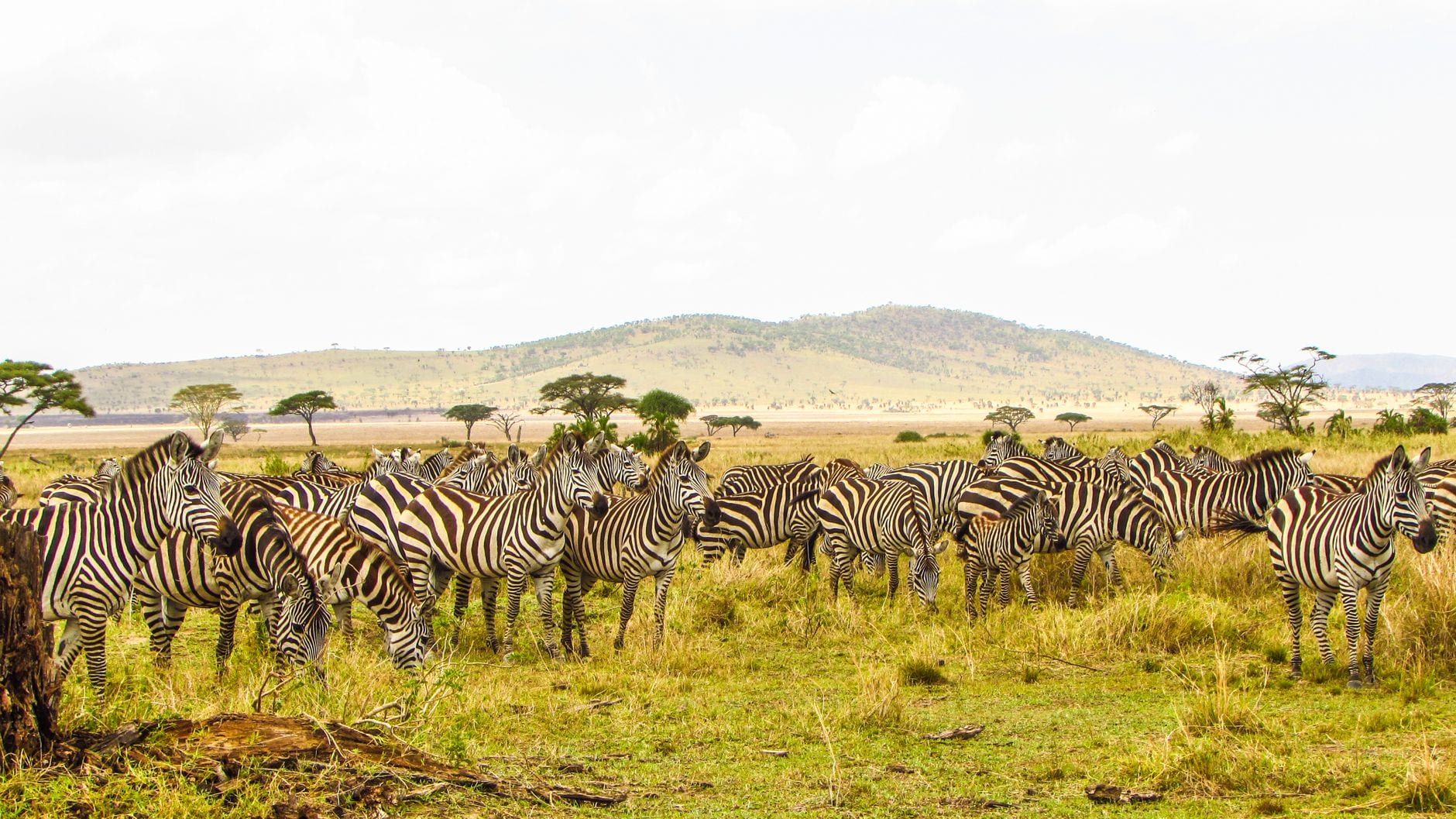
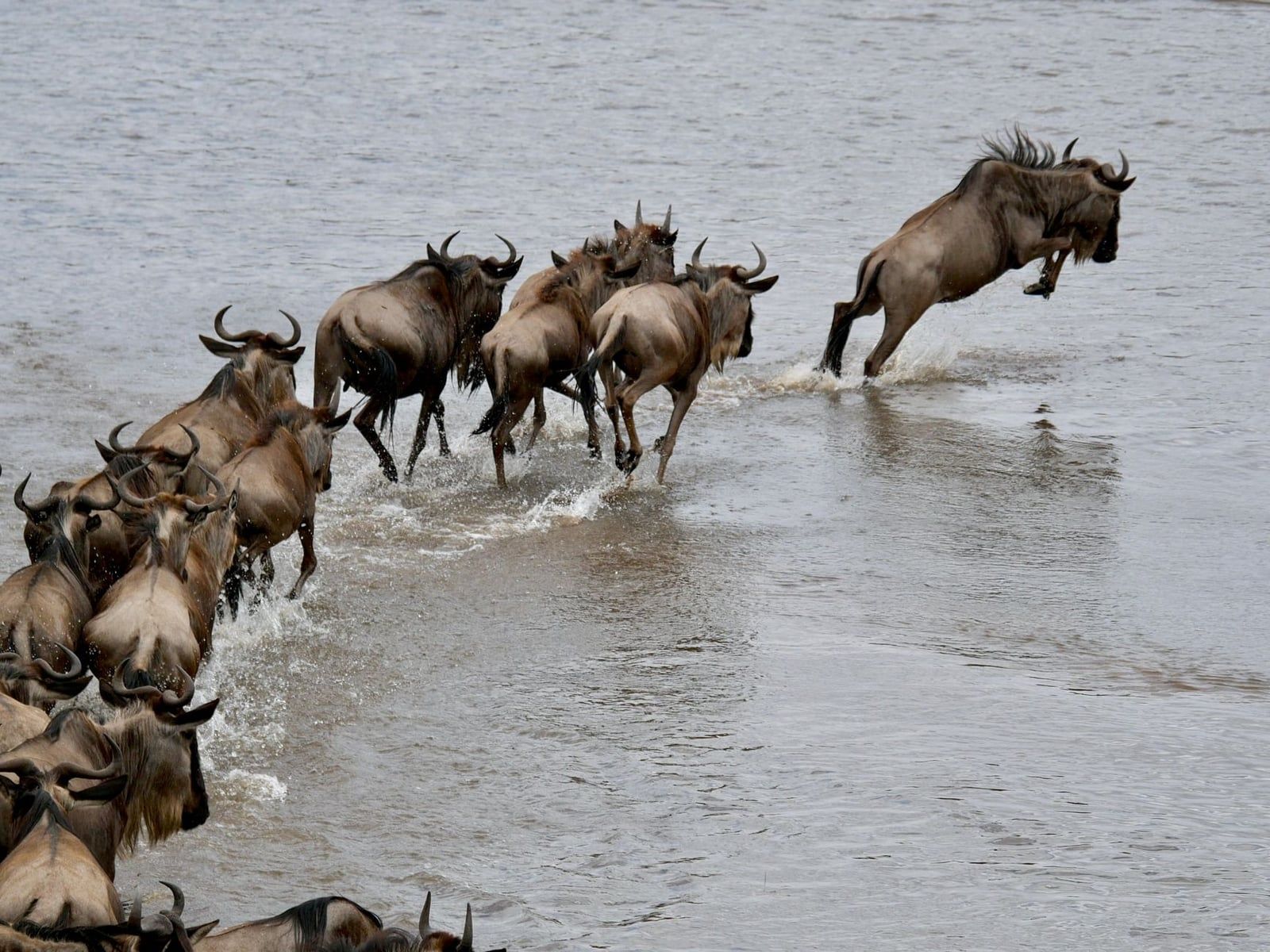
Don't expect a guaranteed close-up of a kill. From 300 to 500 meters up, wildlife reads as shapes and movement — wildebeest columns, a giraffe browsing an acacia, maybe a scattered herd of elephants — rather than the detail you get eye-level in a vehicle. Think of it as a mood and a vantage point, not a substitute for the Big Five game drives that fill the rest of your trip. It suits honeymooners, photographers after wide landscape shots, and first-time visitors who want one distinct morning. Repeat visitors and budget-conscious travelers usually get more animal action per dollar from another game drive.
How Much Does a Serengeti Balloon Safari Cost?
A Serengeti hot air balloon flight runs about $550 to $650 per person, most often quoted as a flat $599. That figure typically bundles the transfer from your lodge or camp, the flight itself, aviation insurance, and the champagne bush breakfast served after landing. A few operators already quote 2027 rates near $690, so budget toward the higher end if you're planning more than a year out.
Buried inside that $599 is a $40 Tanapa ballooning fee, charged on top of the standard Serengeti park entrance fee of $83 per adult per day. Park entry, personal tips, and any drinks beyond the included champagne are usually billed separately. Compare quotes carefully — a cheaper-looking price sometimes just means fewer inclusions, not a better deal.
Tipping the pilot and ground crew afterward is standard, though it's optional. A few dollars per person split between the crew covers it; nothing gets added to your bill automatically.
Where and When: Launch Sites and the Best Time to Fly
Four launch sites operate on a rotation tied to where the Great Migration herds are that month. Match the launch site to your travel dates and your camp location, not the other way round — that's the detail most trip planning misses.
Seronera and Central Serengeti
The Seronera launch runs year-round, lifting off near the Seronera River Valley, where permanent water keeps wildlife around in every season: lion prides on the kopjes, leopards draped in sausage trees, resident buffalo and giraffe. The migration itself typically passes through central Serengeti around May and June, but Seronera works as a solid fallback launch any month you're staying nearby.
Ndutu and the Southern Plains
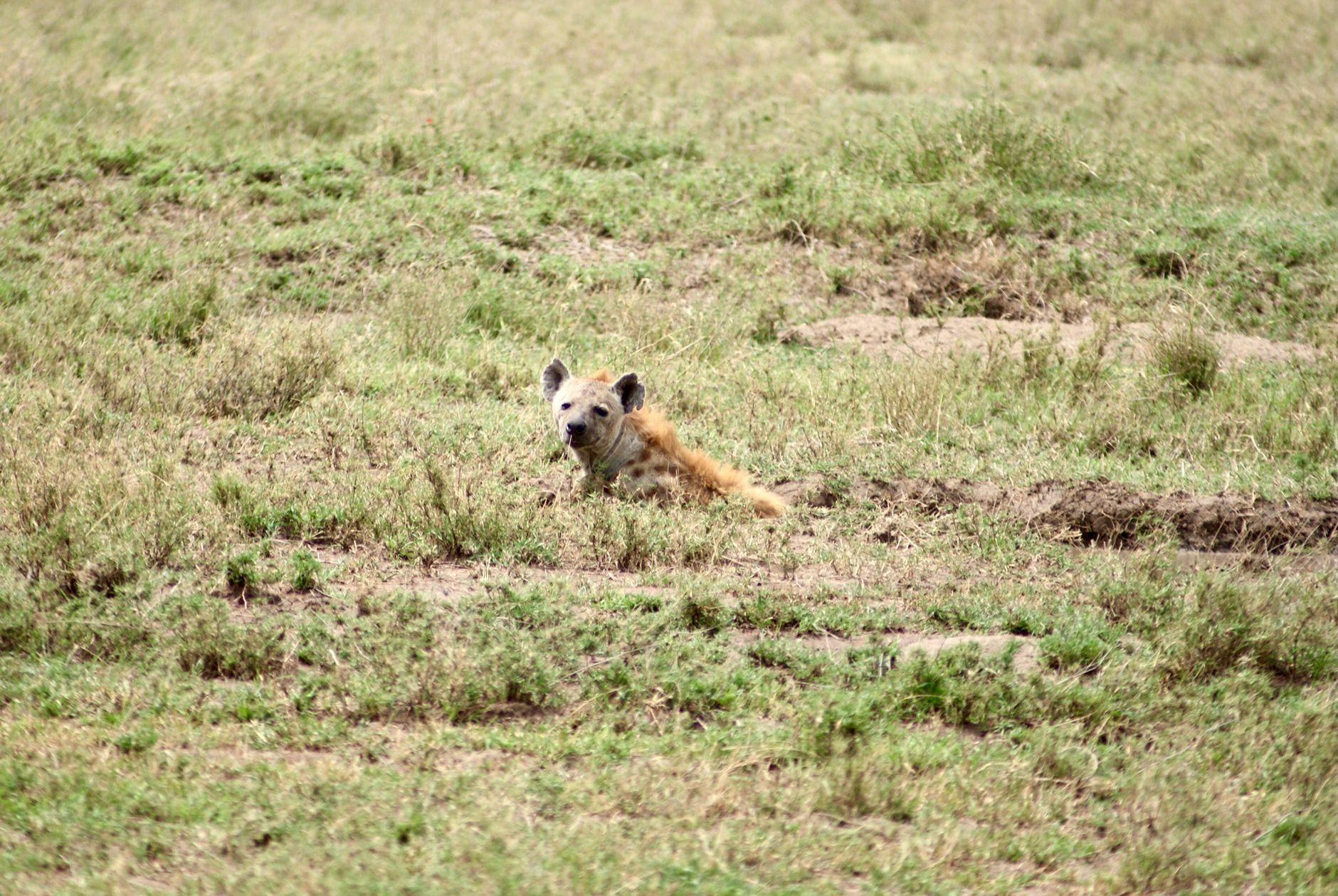
The Ndutu launch operates from 25 December to 15 March, timed to the wildebeest calving season on the southern short-grass plains. Enormous numbers of calves are born here within a few weeks each year, and the newborns draw dense concentrations of lions, hyenas, and cheetahs. Fly this window and expect real drama below the basket, not just scenery.
Western Corridor and the Grumeti River
The Western Corridor launch runs June through October, over the Grumeti River as the migration pushes west and herds cross water thick with Nile crocodiles. It's the quietest of the four launch sites, worth choosing if you're based at a Grumeti-area camp rather than driving back toward the north.
Northern Serengeti and the Mara River
The Northern Serengeti launch, near Kogatende, runs July through October, the same window as the Mara River crossings that make the news every year. It's the busiest of the four launches, since it overlaps with peak migration tourism in the north — book this one earliest.
| Launch Site | Season | Migration Stage |
|---|---|---|
| Seronera (Central Serengeti) | Year-round | Resident wildlife; migration passes through ~May-June |
| Ndutu (Southern Plains) | 25 Dec - 15 Mar | Calving season, dense predator activity |
| Western Corridor (Grumeti River) | June - October | Herds crossing the Grumeti River |
| Northern Serengeti (Kogatende) | July - October | Mara River crossings |
What to Expect: A Minute-by-Minute Timeline of the Flight
Pickup from your lodge or camp happens around 4 to 5am, while it's still dark. You'll get a hot drink, then a drive out to whichever launch site is active that week. At the site, the crew is already laying the balloon and basket flat on tarpaulins, and the pilot runs through a short safety briefing before you climb in over the basket's low wall.
Launch happens close to 6am, right as the sky starts to lighten. The pilot varies altitude through the flight — low enough over open plains to pick out individual wildebeest and giraffe, then higher for wide views of the kopjes and river lines. Balloons are shared: baskets carry up to 16 passengers, so this isn't a private flight and you'll be standing shoulder to shoulder with strangers. The flight itself lasts 50 to 70 minutes, commonly described as about an hour, and it's the wind, not the pilot, that decides how far you travel.
Landing is a bump, not a jolt, and a 4x4 is already waiting wherever the wind put you down. What follows is the part everyone remembers: a table laid out in the open bush, white linen, and a full breakfast with champagne poured to mark the flight. A typical morning has you airborne by around 6:45am and seated for breakfast by about 8:30am, with a flight certificate handed out before the drive back to camp.
How to Book a Serengeti Balloon Safari
Most travelers book through their safari operator or lodge, which handles pickup logistics and pairs the flight with wherever you're staying — Serena, Seronera, Sopa, and other central-Serengeti lodges arrange balloon pickups routinely. You can also book directly with a balloon operator, which lets you pay in USD, GBP, EUR, TZS, or KES, though you'll still need your own transport to the launch site if your camp isn't already on the pickup circuit.
Reserve at least a few weeks ahead, sooner if you're flying during peak migration months (July-October) or calving season (December-March). Seats around the popular camps go first, and a sunrise flight isn't something you add the night before.
Wind and visibility decide whether a flight goes ahead, not the calendar. Operators reschedule for guest safety when conditions turn, usually to the next available morning, so avoid booking your balloon flight for your last morning in the park in case it needs to move. If you're combining the Serengeti with a crater visit, settle the balloon flight before finalizing your route between the two parks, since an extra morning changes your drive times.
| Through Your Lodge/Operator | Direct With a Balloon Company | |
|---|---|---|
| Convenience | Pickup and logistics handled automatically | You arrange your own transfer to the launch site |
| Payment | Billed with your safari package, one currency | Pay directly in USD, GBP, EUR, TZS or KES |
| Best for | Travelers on a pre-booked itinerary | Independent planners already near a launch site |
Practical Tips: What to Wear, Bring, and Know Before You Fly
Dress warm. Pre-dawn temperatures on the plains can sit close to freezing before the sun climbs, though the basket warms up fast once you're airborne and breakfast lands you in full sun.
- Wear warm layers you can shed after landing.
- Skip heavy camera bags and tripods — there's no room for them in the basket.
- Leave big luggage at camp; only small bags fit on board.
- Wear closed shoes for the walk to the launch site in the dark.
- Tip the pilot and ground crew a few dollars per person if the flight went well.
Getting into the basket means swinging a leg over a waist-high wall and dropping in, then standing for the whole flight. That's manageable for most fit adults, but flag any mobility concerns with your operator when you book, not on the morning of.
Is a Serengeti Balloon Safari Worth It?
The case for it is simple: nothing else on a Tanzania safari gives you a silent, sunrise view of the plains from above, and the champagne breakfast afterward earns its place rather than feeling like a marketing add-on. Photographers get wide landscape shots no vehicle angle can match, and it makes for one distinct morning if you're only doing this trip once.
The case against it is the price. $599 buys roughly what two or three extra game drives with a private guide would cost, and those drives get you closer to lions and leopards than a balloon 300 meters up ever will. There's no guarantee of a dramatic sighting from the air, either, and the 4am wake-up eats into sleep on an already early safari schedule.
Book it if you're celebrating something, traveling once, or building a luxury Serengeti itinerary around photography — the sunrise and the aerial view earn the cost on their own. Skip it if you're tight on budget, a repeat visitor who's flown it before, or only in the park for a night or two and would rather put that money and pre-dawn energy into another drive. For context, it sits in roughly the same price bracket as ballooning over Kenya's Maasai Mara — flying over this particular ecosystem doesn't carry a Serengeti-specific premium.
Frequently asked questions
How much does a Serengeti balloon safari cost?
Plan on $550 to $650 per person, most often quoted as a flat $599 that already includes a $40 Tanapa ballooning fee. Some operators are quoting around $690 for 2027 dates.
What is included in the price of a Serengeti hot air balloon safari?
The standard package covers the lodge or camp transfer, the 50-70 minute flight, aviation insurance, and the champagne bush breakfast after landing. Park entrance fees and tips for the crew are usually extra.
What time does the Serengeti balloon safari start?
Pickup is around 4 to 5am for a sunrise launch near 6am, with breakfast wrapping up by roughly 8:30am.
How long does the balloon flight last?
The flight itself lasts about 50 to 70 minutes, commonly described as roughly an hour. The whole morning, from pickup to breakfast, runs closer to 4-5 hours.
Where do Serengeti balloon safaris take off from?
There are four seasonal launch sites: Seronera in central Serengeti (year-round), Ndutu (25 December-15 March), the Western Corridor (June-October), and Northern Serengeti near Kogatende (July-October), timed to where the migration herds are.
Is the Serengeti balloon safari worth the money?
It depends on your priorities: the sunrise view and bush breakfast are worth it for a one-time visit, honeymoon, or photography trip, but budget travelers and repeat visitors often get more for their money from an extra game drive.
What happens if the weather is bad?
Operators reschedule flights for guest safety when wind or visibility isn't right, usually moving you to the next available morning.
How many people fly in one balloon?
Baskets are shared and carry up to 16 passengers, so it isn't a private experience.