About All Tours Safari ToursMigration ToursLuxury ToursNgorongoro Safari ToursBalloon ToursPrivate Tours Directions Hours & Fees Guides
Find Tours 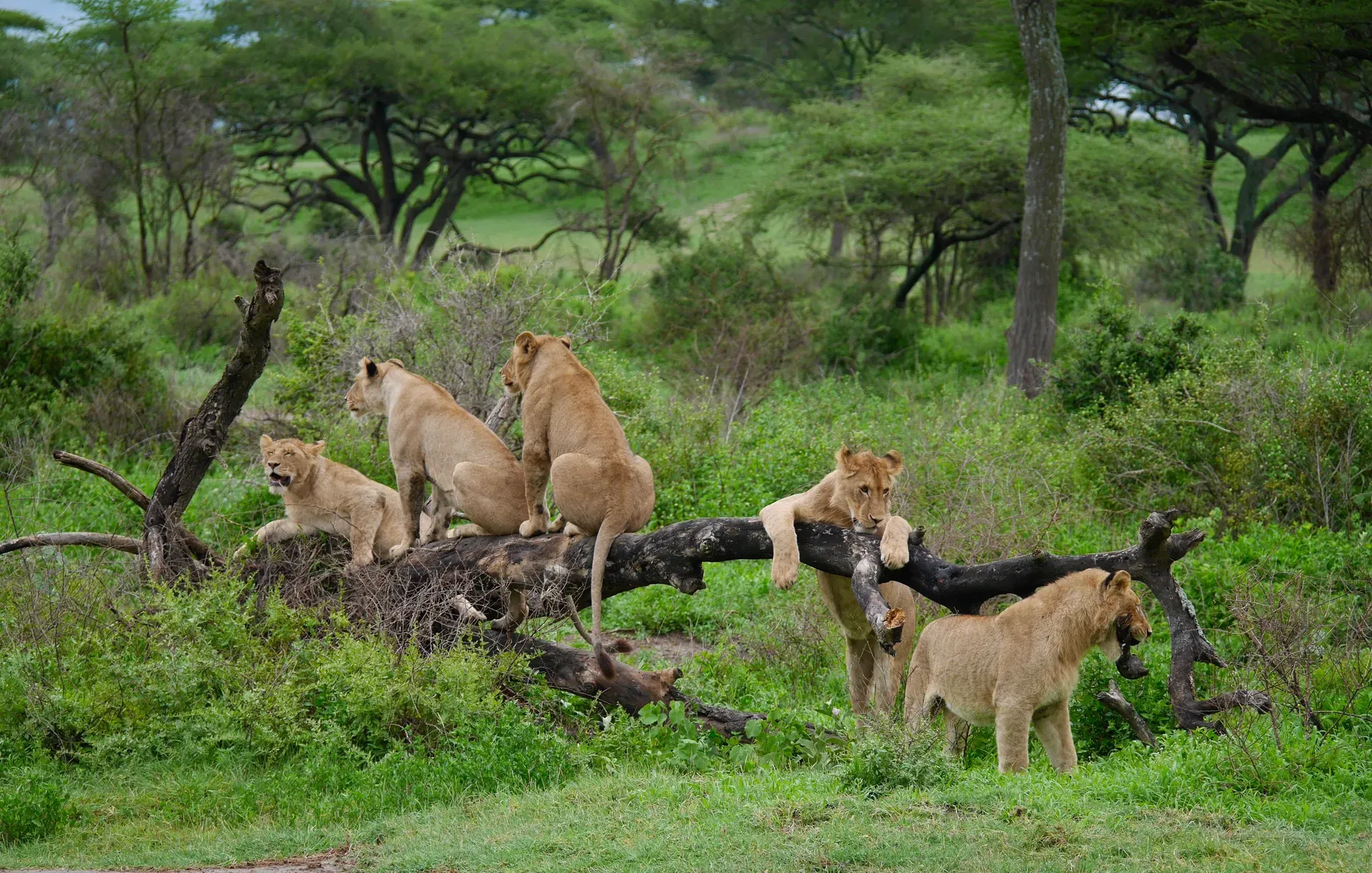
Serengeti National Park is a 14,750-square-kilometer wildlife sanctuary in northern Tanzania. It anchors a continuous 30,000-square-kilometer ecosystem that hosts the largest unaltered terrestrial animal migration on the planet.
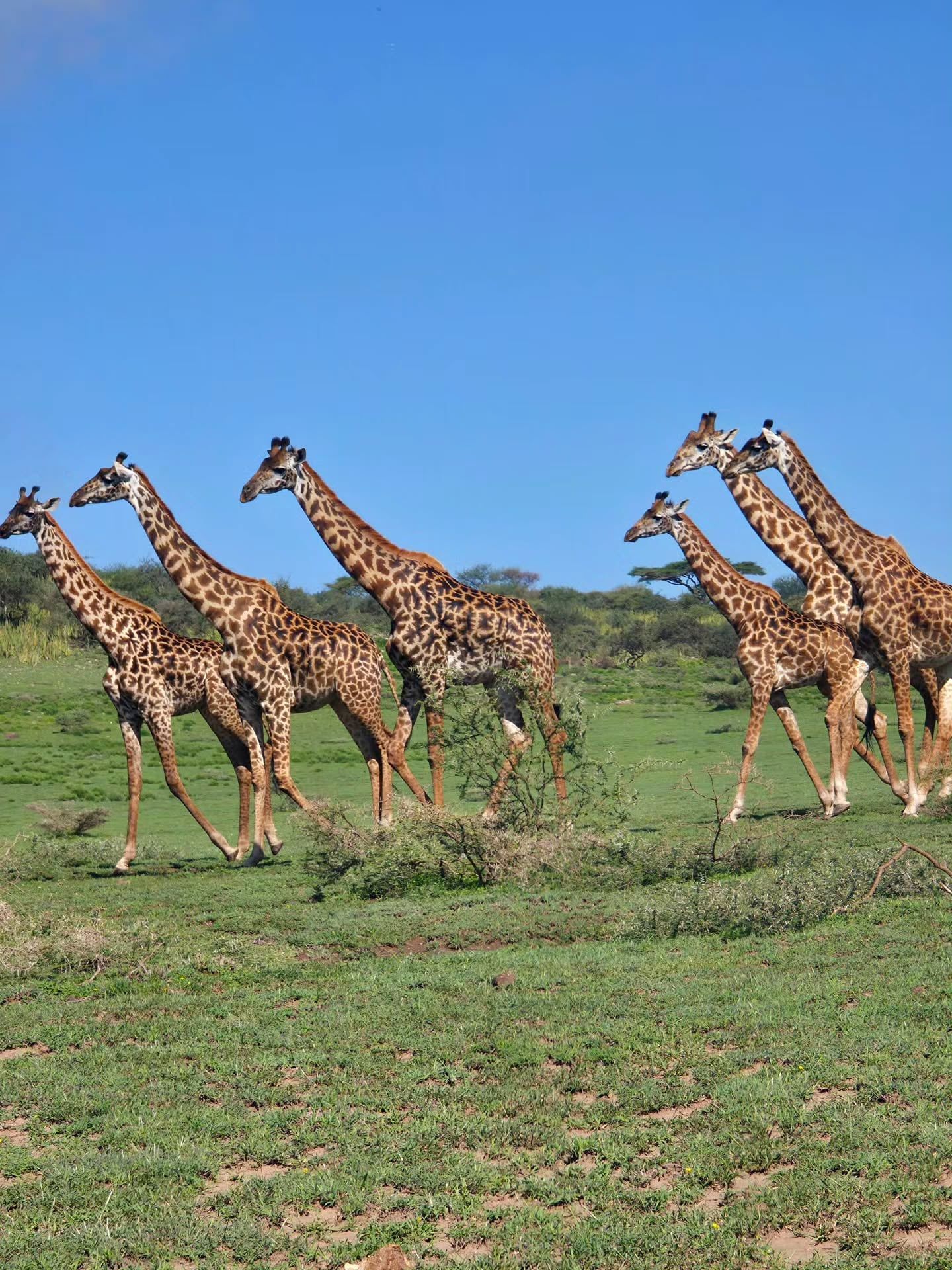
Serengeti National Park occupies 14,750 square kilometers of savannah, riverine forest, and woodland in northern Tanzania. It forms the core of a 30,000-square-kilometer unfenced ecosystem extending into Kenya's Maasai Mara. The park sustains roughly 2 million wildebeest, 900,000 Thomson's gazelles, 300,000 zebras, and 4,000 lions. These animals move continuously across the plains in a weather-driven circuit known as the Great Migration.
The landscape sits at an elevation between 1,600 and 1,800 meters. Flat grasslands dominate the south, transitioning to acacia woodlands in the center and hilly, wooded terrain in the north. The Mara River cuts through the northern sector. It is the only permanently flowing river in the ecosystem. This watercourse dictates the movement of herds during the dry season from late June to October.
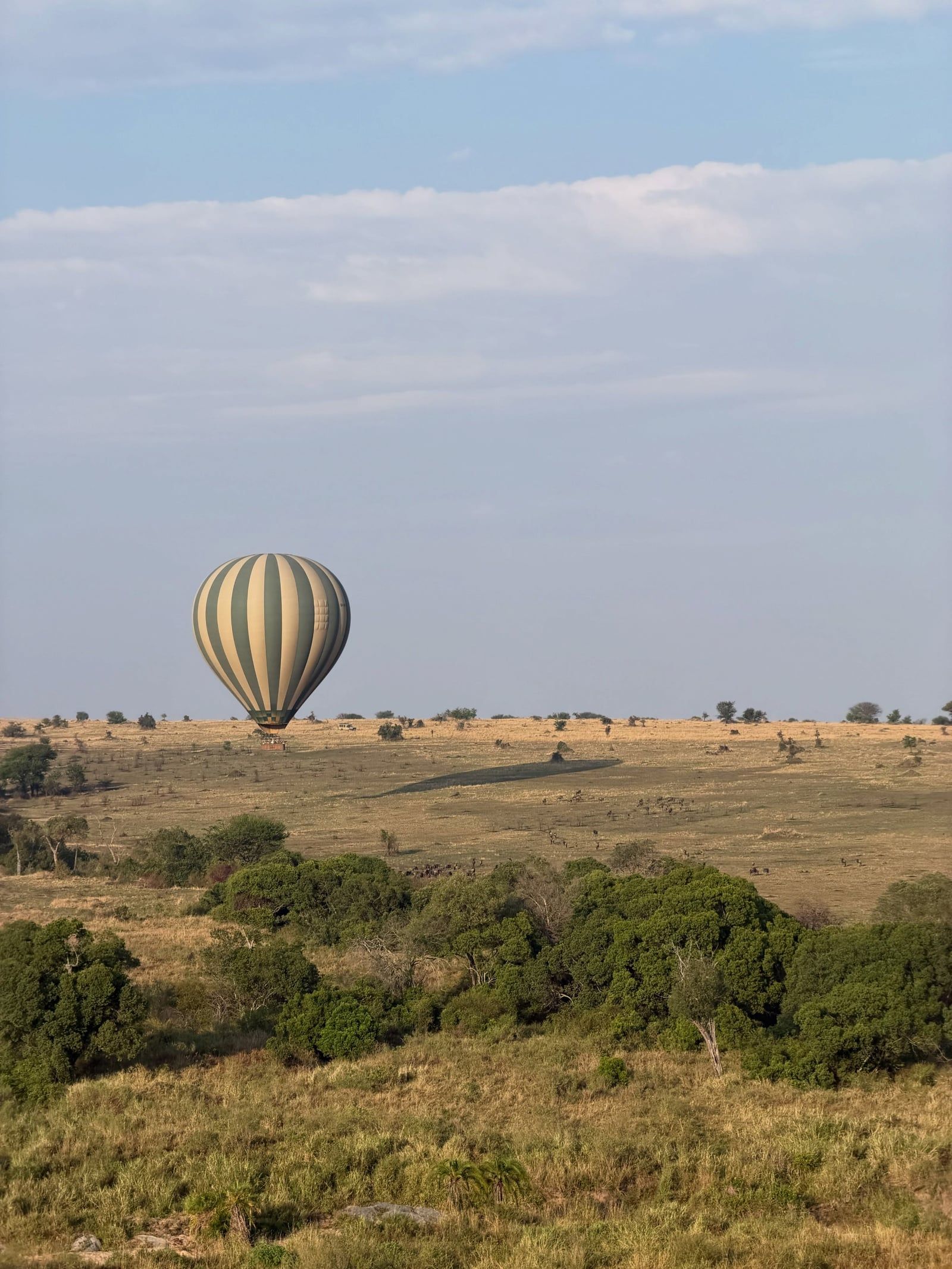
Visiting requires planning around seasonal weather and strict park rules. The main access gates open at 06:00 and close at 18:00. Driving is only permitted during these twelve hours. Heavy rains between March and May turn dirt tracks into deep mud, making some areas impassable. Dry-season roads become heavily corrugated and dusty. Travelers driving from Arusha face a 225-kilometer journey—often a bumpy six-hour slog—to the nearest gate. Fly-in safaris use light aircraft to reach dirt airstrips near the major lodges. Book camps in the central Seronera Valley for year-round wildlife sightings, or target the northern Kogatende area in August to watch herds cross the Mara River.
British colonial authorities created a 3.2-square-kilometer game reserve in 1921 to stop hunters from decimating the local lion population. This small protected zone expanded over the next three decades. Serengeti National Park was formally established in 1951 as one of Tanzania's first national parks.
The original boundaries shifted several times to accommodate both human settlement and wildlife migration routes. In 1959, the government split off the Ngorongoro Conservation Area from the park. This division allowed Maasai pastoralists to graze cattle in the crater highlands while keeping the Serengeti strictly for wildlife. At the same time, authorities extended the Serengeti's borders north to meet the Kenyan border. The Maswa Game Reserve was added to the southwest in 1962. Three years later, the inclusion of the Lamai Wedge created a continuous protected corridor. UNESCO inscribed the park as a World Heritage Site in 1981.
Today, the Tanzania National Parks Authority manages the 14,750-square-kilometer area. The park infrastructure relies on a network of unpaved tracks, ranger posts, and designated public campsites. Rangers conduct armed patrols to enforce regulations and deter poaching. Tourist numbers have grown steadily, with approximately 491,000 people visiting by mid-December of the 2025/26 season.
This high volume of traffic puts pressure on the central Seronera road network. Park officials enforce strict rules to manage the impact. Vehicles must maintain a 25-kilometer-per-hour speed limit and stay 200 meters away from most animals. Drivers who approach lions, leopards, or cheetahs closer than 25 meters face immediate license suspension. Drones are entirely banned across the entire park. Self-driving visitors must pay their USD 83 daily entry fee by credit card at the Naabi Hill or Ndabaka gates.
The Serengeti rests on a high plateau between 1,600 and 1,800 meters above sea level. The terrain consists primarily of treeless flat grasslands in the south and southeast. These plains formed on volcanic ash blown westward from the Ngorongoro highlands millions of years ago—a process that created a hardpan layer just below the soil surface. Tree roots can't penetrate this layer. That prevents forests from taking hold and leaves the landscape open for shallow-rooted grasses.
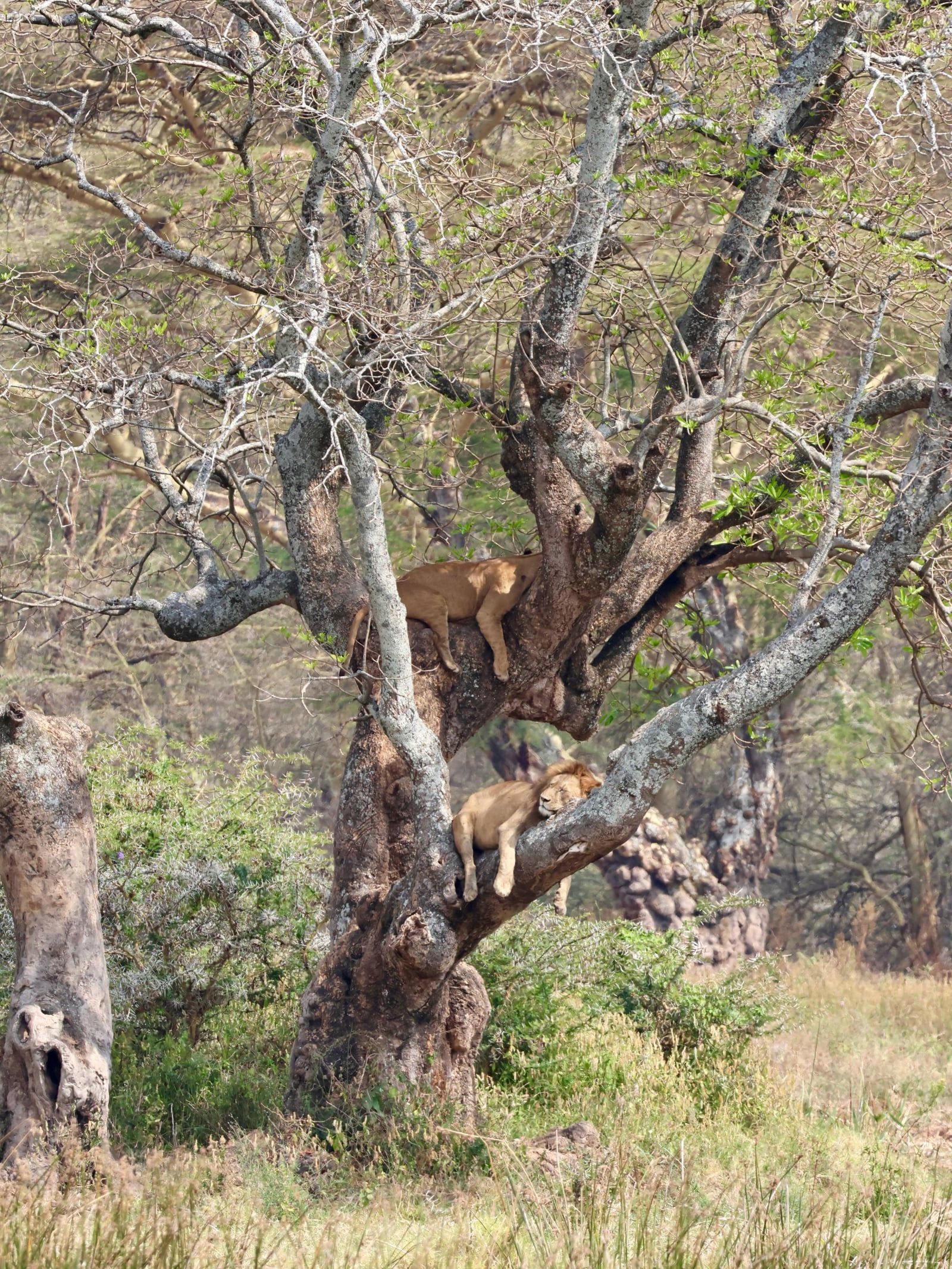
Isolated granite and gneiss rock outcrops break the flat horizon. These formations, called kopjes, are the exposed tips of ancient mountains worn down by erosion over millions of years. The Simba Kopjes southeast of Seronera are the most prominent. They absorb heat from the sun during the day and release it at night. Lions and leopards use these rocks for shade, warmth, and elevated vantage points to spot prey across the tall grass.
The Mara River dominates the northern sector. It flows south from Kenya's Mau forests before turning west through the Serengeti and emptying into Lake Victoria. It's the only permanently flowing river in the entire 30,000-square-kilometer ecosystem. During the dry season, the river shrinks but doesn't dry up completely. Nile crocodiles inhabit the deeper pools. When the wildebeest herds cross these waters between July and October, the steep muddy banks and strong currents cause thousands of animal fatalities each year. Visitors planning to watch a crossing should pack a strong insect repellent, as the riverine woodland bordering the water harbors high concentrations of tsetse flies.
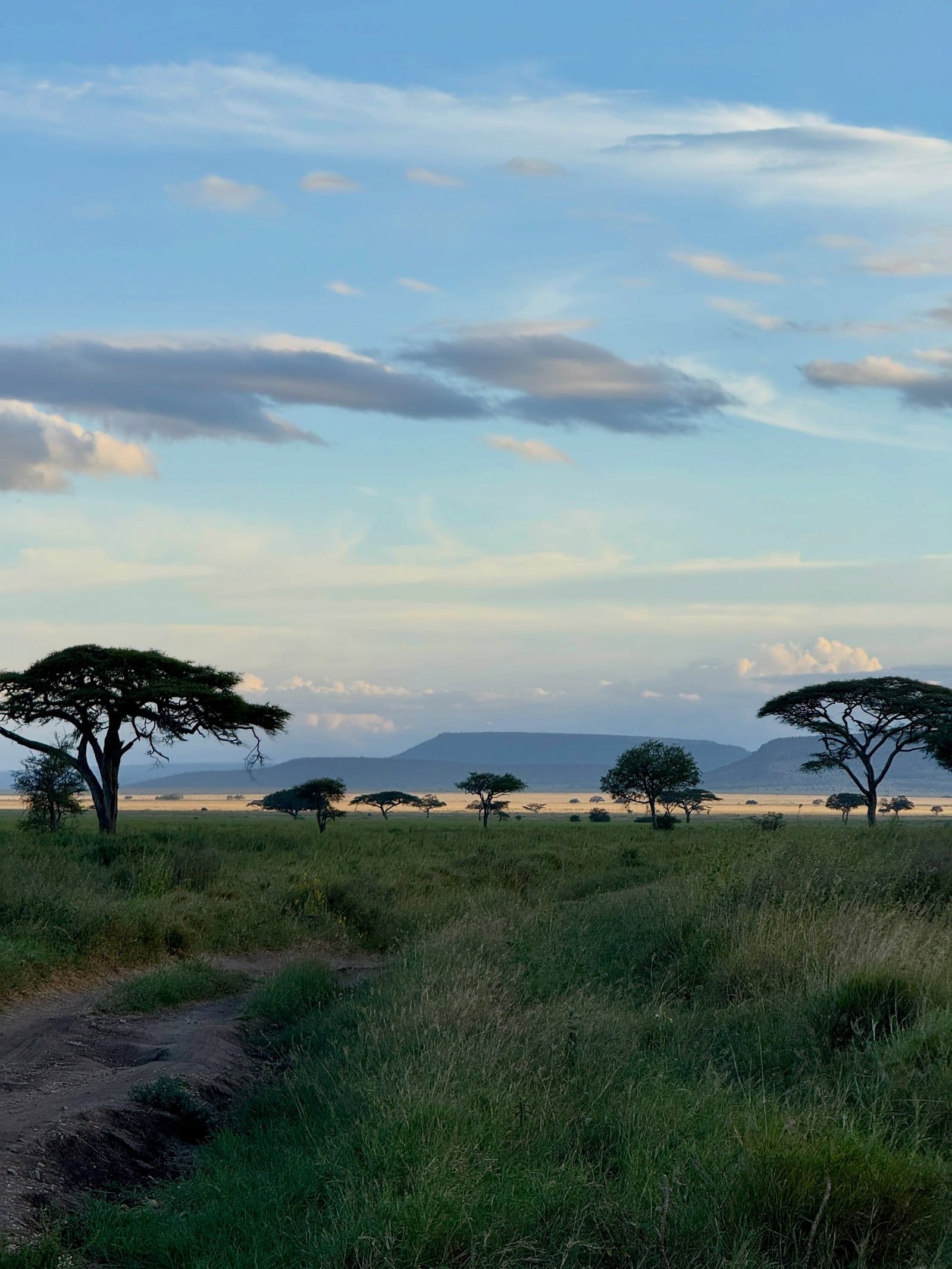
The Serengeti ecosystem operates as a living laboratory for predator-prey dynamics. Its endless plains have remained largely unchanged for over a million years. Biologists and ecologists use the park to study how massive herbivore populations shape vegetation and sustain carnivore numbers. The continuous movement of two million wildebeest dictates the survival of 4,000 lions and globally threatened species like the African wild dog and cheetah.
The land immediately south of the park boundary holds direct ties to early human evolution. The Olduvai Gorge cuts through the plains roughly 45 kilometers from the Serengeti's Naabi Hill Gate. Louis and Mary Leakey discovered fossilized hominin remains here in the mid-twentieth century. These finds proved that early humans walked upright in this exact savannah environment millions of years ago.
Local pastoralist communities no longer live inside the national park boundaries. The 1959 division of the Ngorongoro Conservation Area moved the Maasai people out of the Serengeti to protect the wildlife habitat. Today, the park functions entirely as a state-protected sanctuary and a major economic engine for Tanzania. Tourism generates the revenue needed to fund anti-poaching patrols and maintain the dirt road network. Travelers driving the northern circuit should stop at the small Olduvai Gorge museum before entering the park at Naabi Hill.
The park hosts 300,000 zebras that migrate alongside the wildebeest herds.
Over 500 distinct bird species live within the park boundaries.
The Simba Kopjes are the exposed tips of ancient mountains buried by volcanic ash.
The Mara River is the only permanent water source in the entire 30,000-square-kilometer ecosystem.
Drones are strictly banned everywhere in the park, regardless of size or permits.
The park enforces a strict 25-kilometer-per-hour speed limit on all dirt tracks.
The Serengeti contains one of the largest ostrich populations in Africa.
Foreign adults pay USD 83 per 24 hours. Children aged 5 to 15 pay USD 24, and those under 5 enter free. Overnight stays require an additional USD 60 concession fee per adult.
Herds cross the Mara River in the north between July and October. The calving season occurs on the southern short-grass plains from December to March. The migration moves continuously, so exact locations shift with the rains.
Main gates open at 06:00 and close at 18:00. Driving inside the park is only permitted during these twelve hours. Arrive at the gate by 15:00 to ensure you reach your lodge before dark.
The drive covers 225 kilometers and takes about six hours to the nearest gate. Scheduled light-aircraft flights leave Arusha Airport and land at various dirt airstrips inside the park after one to two hours.
No. The Tanzania National Parks Authority strictly prohibits all drones inside the Serengeti. This rule applies even if you hold a Tanzania Civil Aviation Authority permit.
The national park covers 14,750 square kilometers. It forms the center of a larger 30,000-square-kilometer ecosystem that includes the Ngorongoro Conservation Area and Kenya's Maasai Mara.
The park sustains 2 million wildebeest, 4,000 lions, 1,000 leopards, and 2,700 elephants. It also supports small, localized populations of endangered black rhinos and African wild dogs.
Yes. Armed rangers patrol the park constantly, and lodges employ round-the-clock guards. The primary risks are malaria and tsetse fly bites, not wildlife attacks, provided you stay inside your vehicle.
The terrain consists of rough dirt tracks, but several lodges offer wheelchair-friendly rooms and adapted 4x4 vehicles. Travelers should book accessible accommodation through a specialist operator well in advance.
Pack neutral earth-toned clothing like khaki, olive, or brown. Avoid black and dark blue, as these colors attract biting tsetse flies in woodland areas. Long sleeves and closed shoes protect against insects and sun.
Browse verified tours with free cancellation and instant confirmation.
Find Tours