About All Tours Safari ToursMigration ToursLuxury ToursNgorongoro Safari ToursBalloon ToursPrivate Tours Directions Hours & Fees Guides
Find Tours 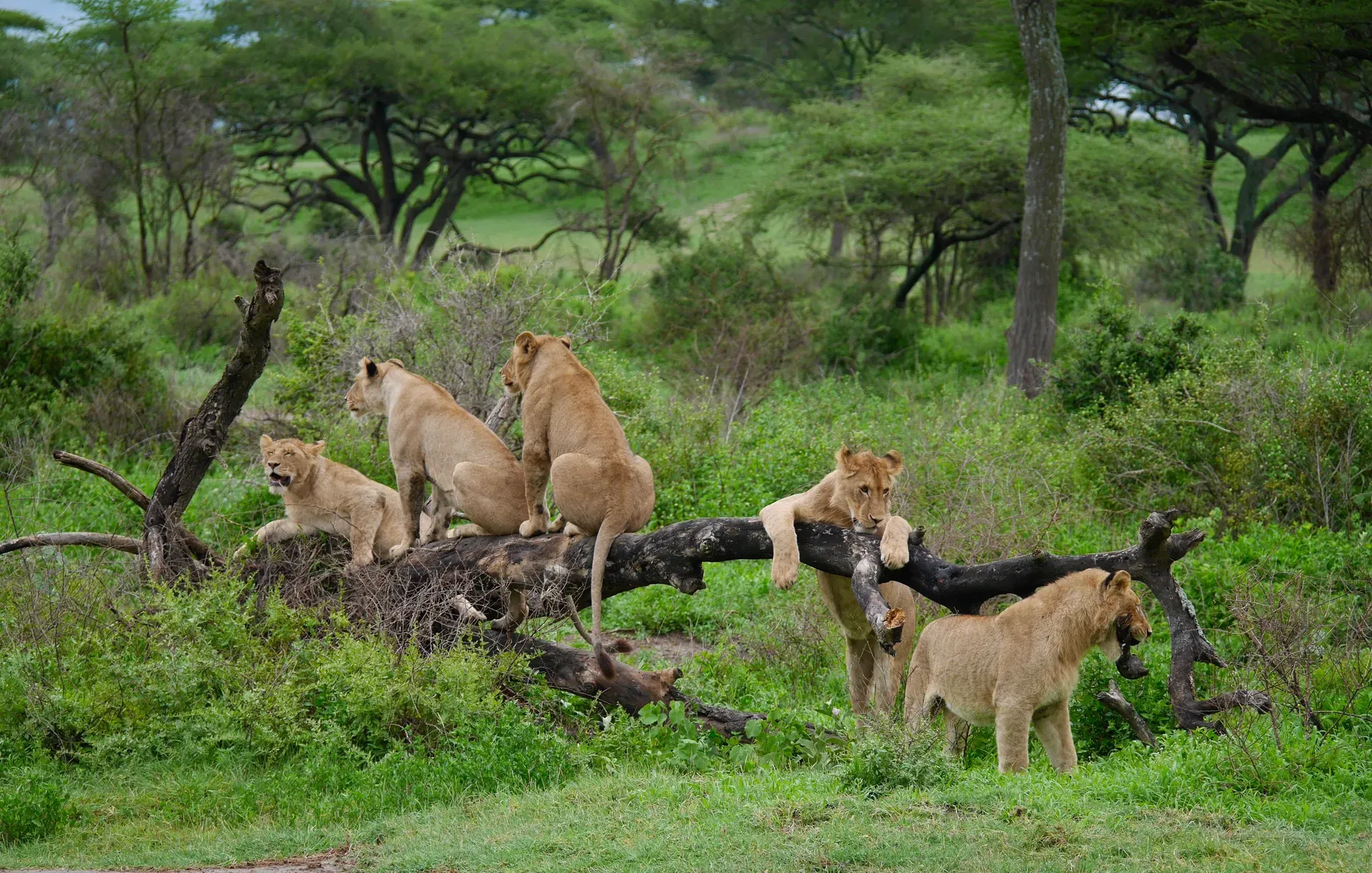
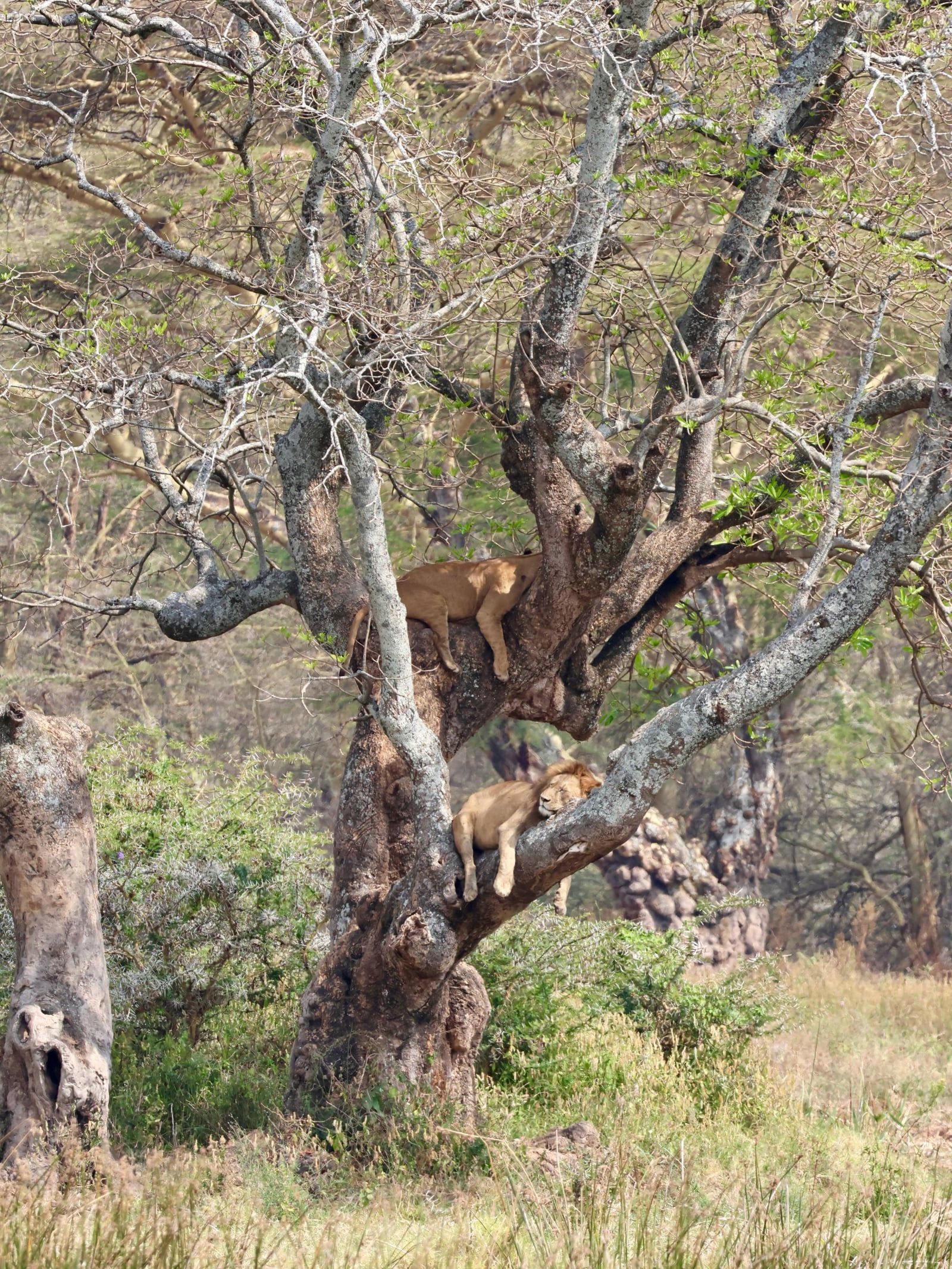
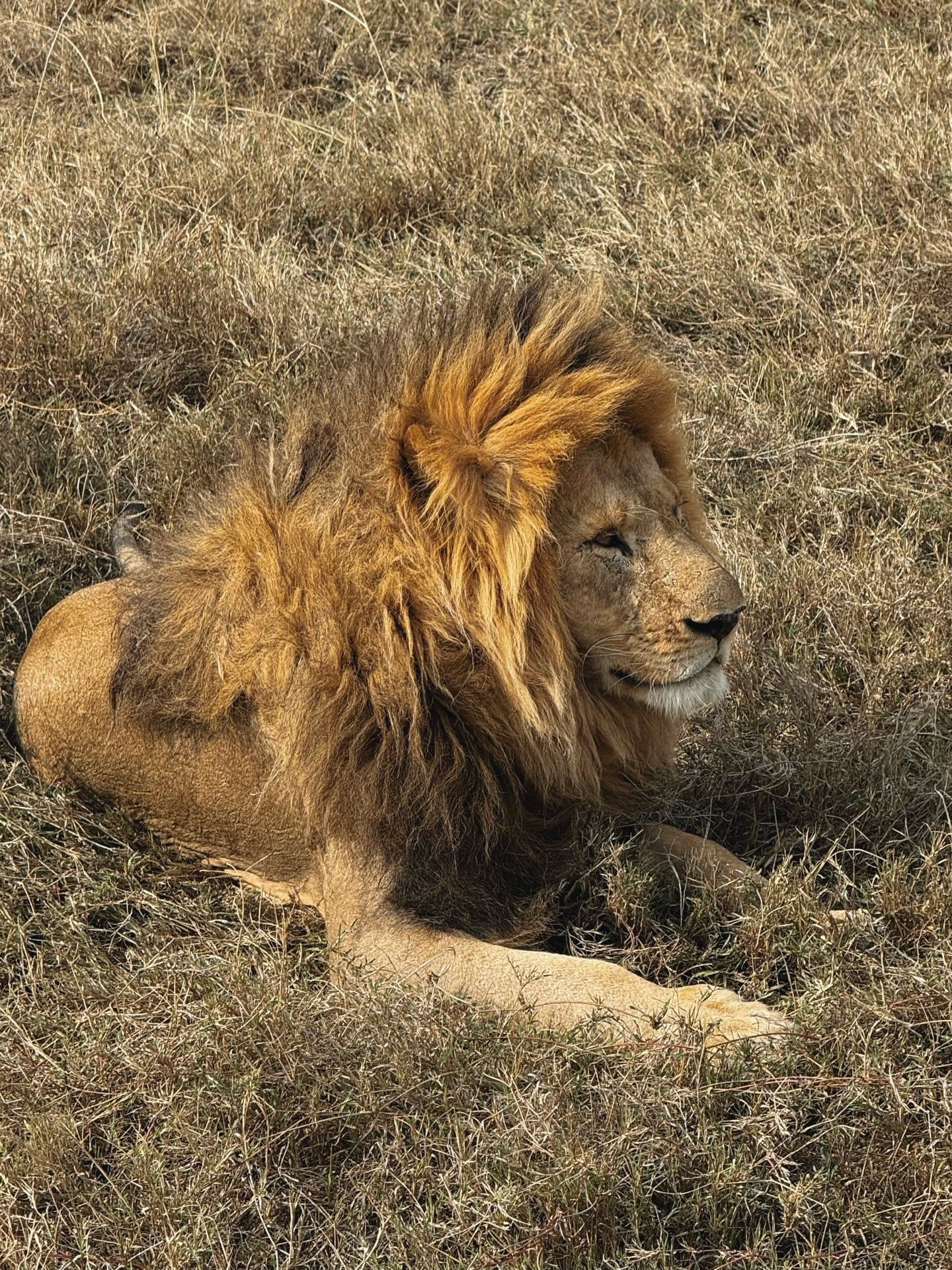
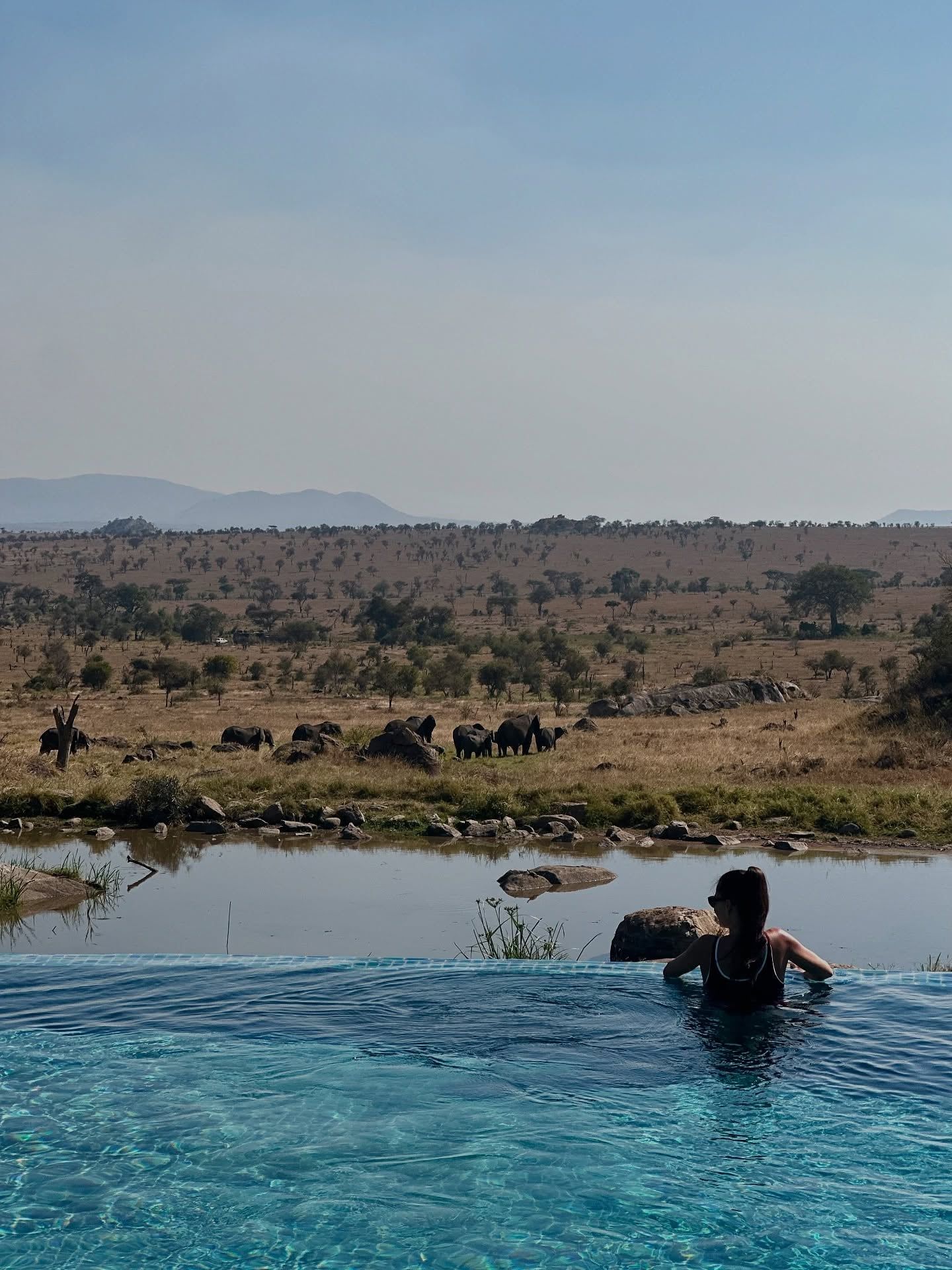
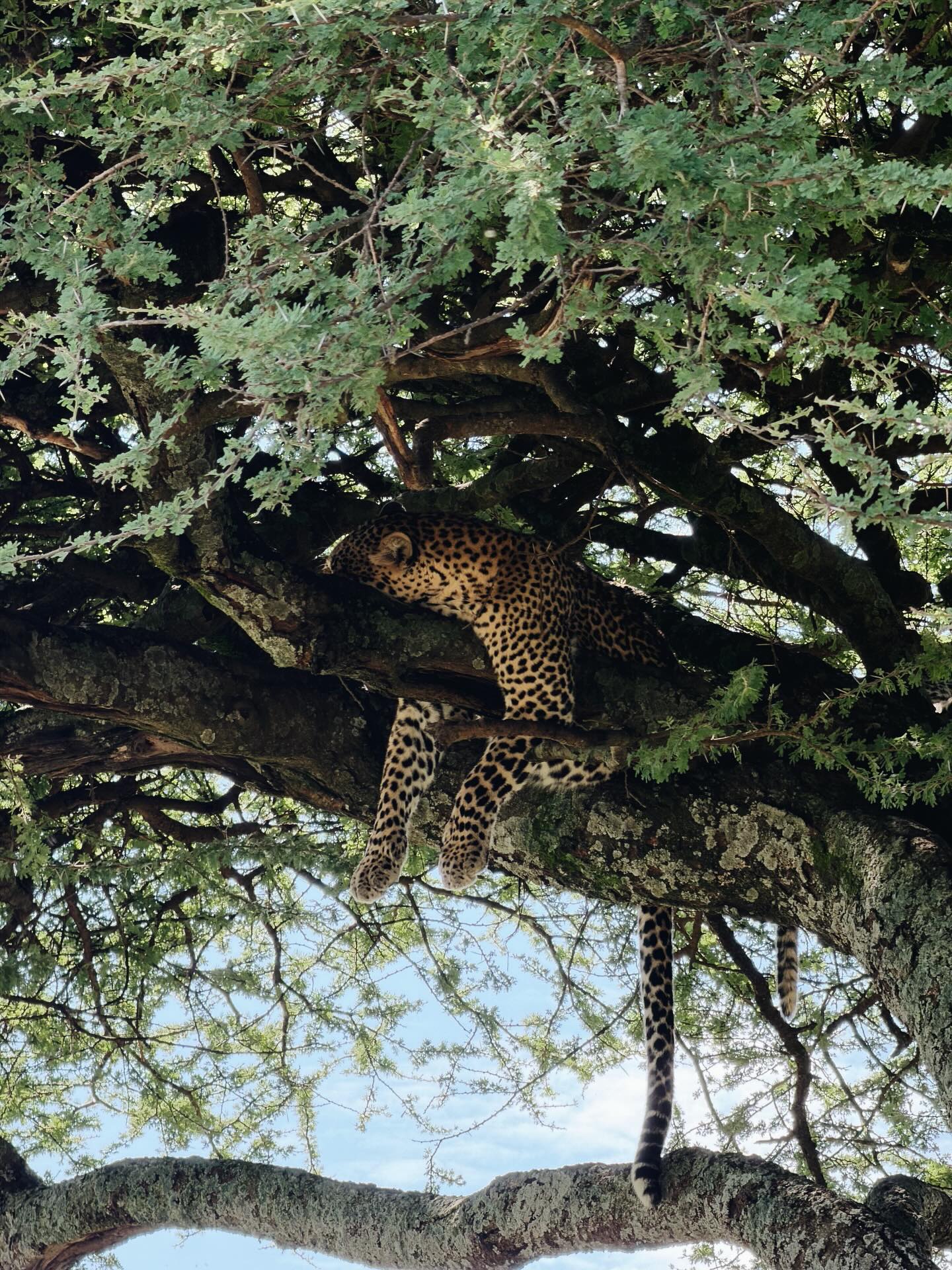
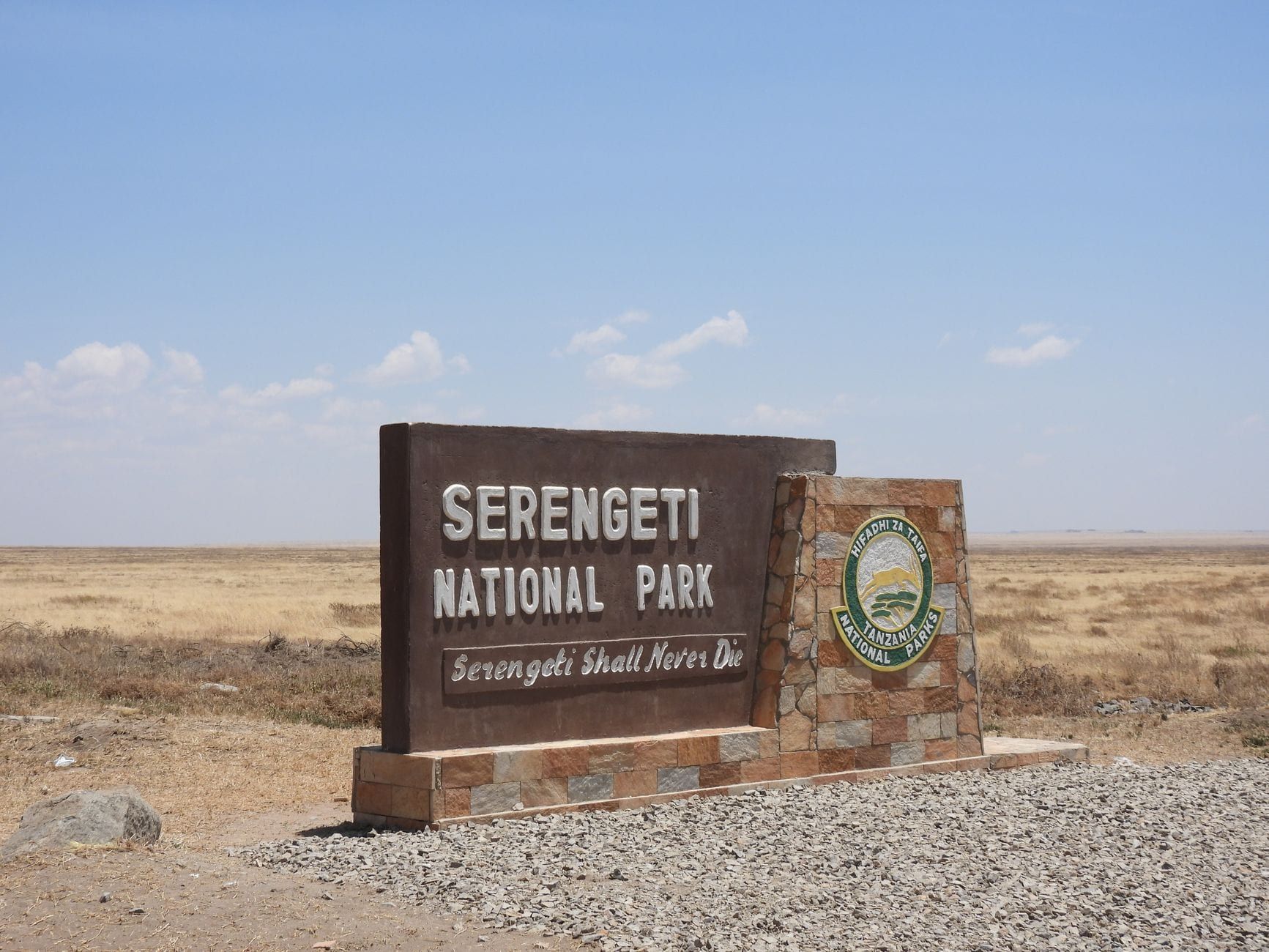
Two million migrating wildebeest and 4,000 lions roam these 14,750 square kilometers of unfenced savannah. You can watch herds plunge into the crocodile-filled Mara River or spot leopards resting in the sausage trees of the central Seronera Valley.
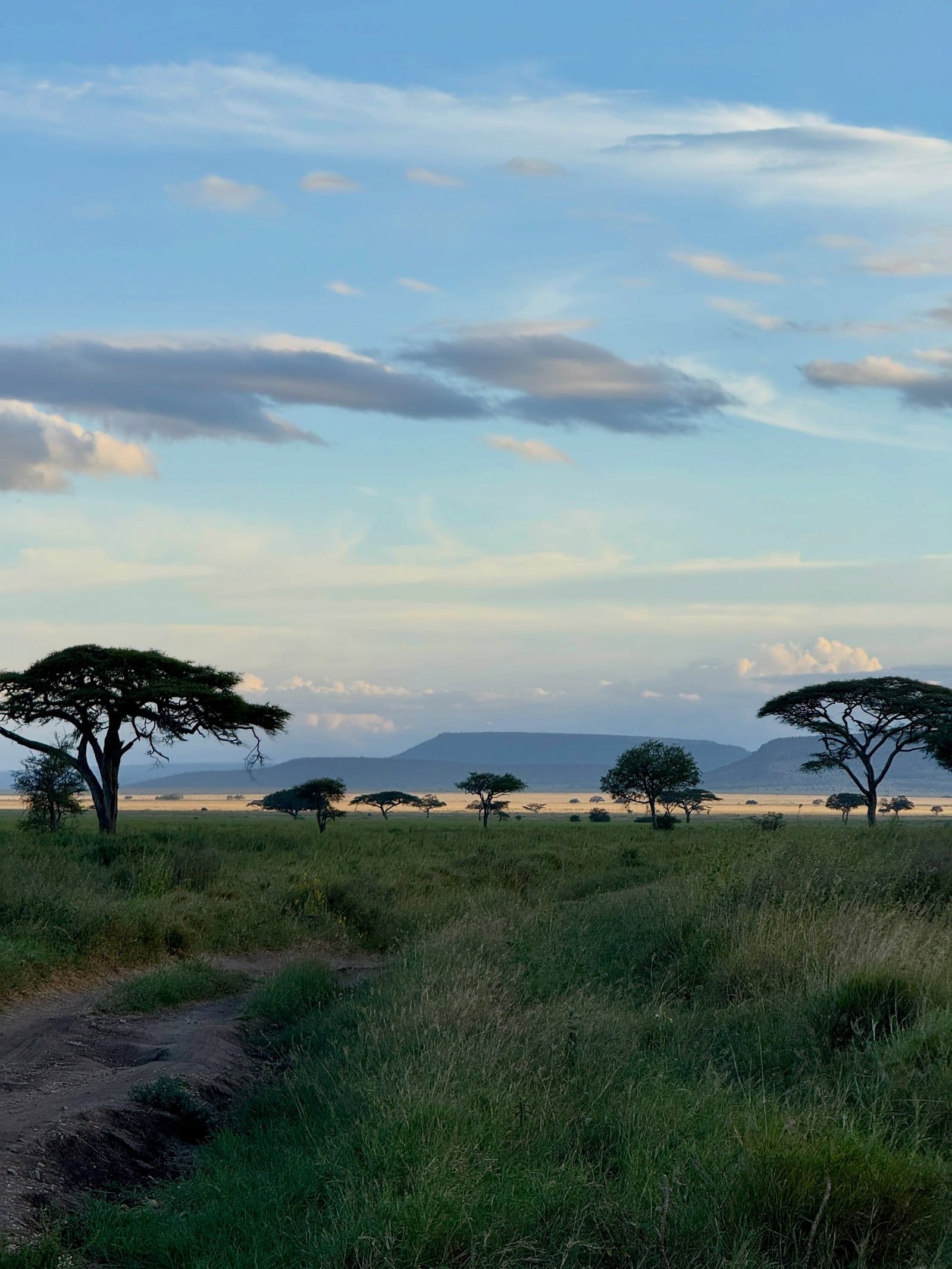
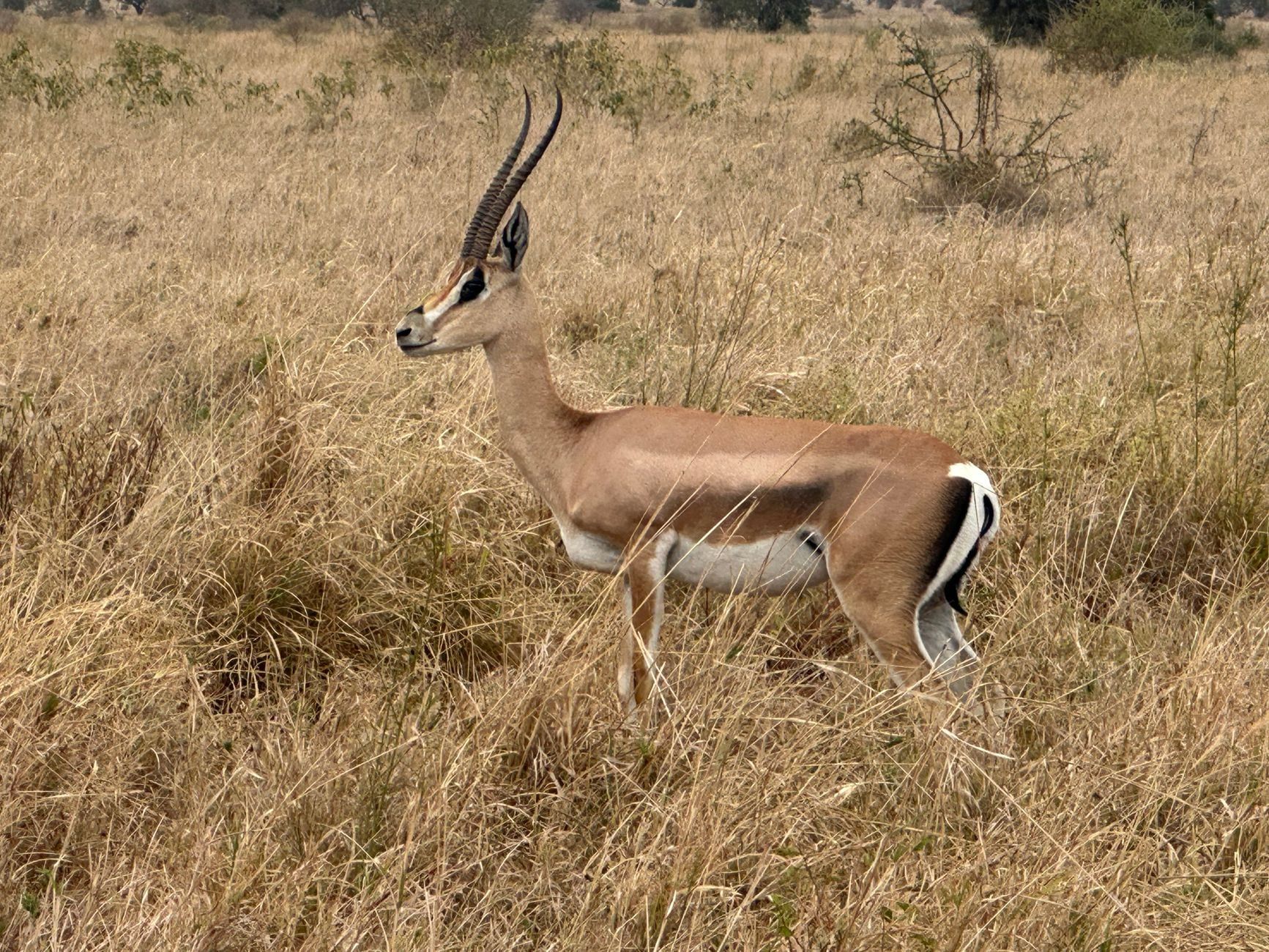
Find Guided ToursSerengeti National Park covers roughly 14,750 square kilometers of northern Tanzania. It sits at an elevation between 1,600 and 1,800 meters, forming the core of an unfenced 30,000-square-kilometer ecosystem that bleeds into Kenya's Maasai Mara. The landscape here has remained largely unchanged for over a million years. Treeless flat grasslands and acacia woodlands dominate the terrain, broken only by isolated granite and gneiss outcrops called kopjes. These worn-down remnants of ancient mountains provide shelter for lions, leopards, and black rhinos.
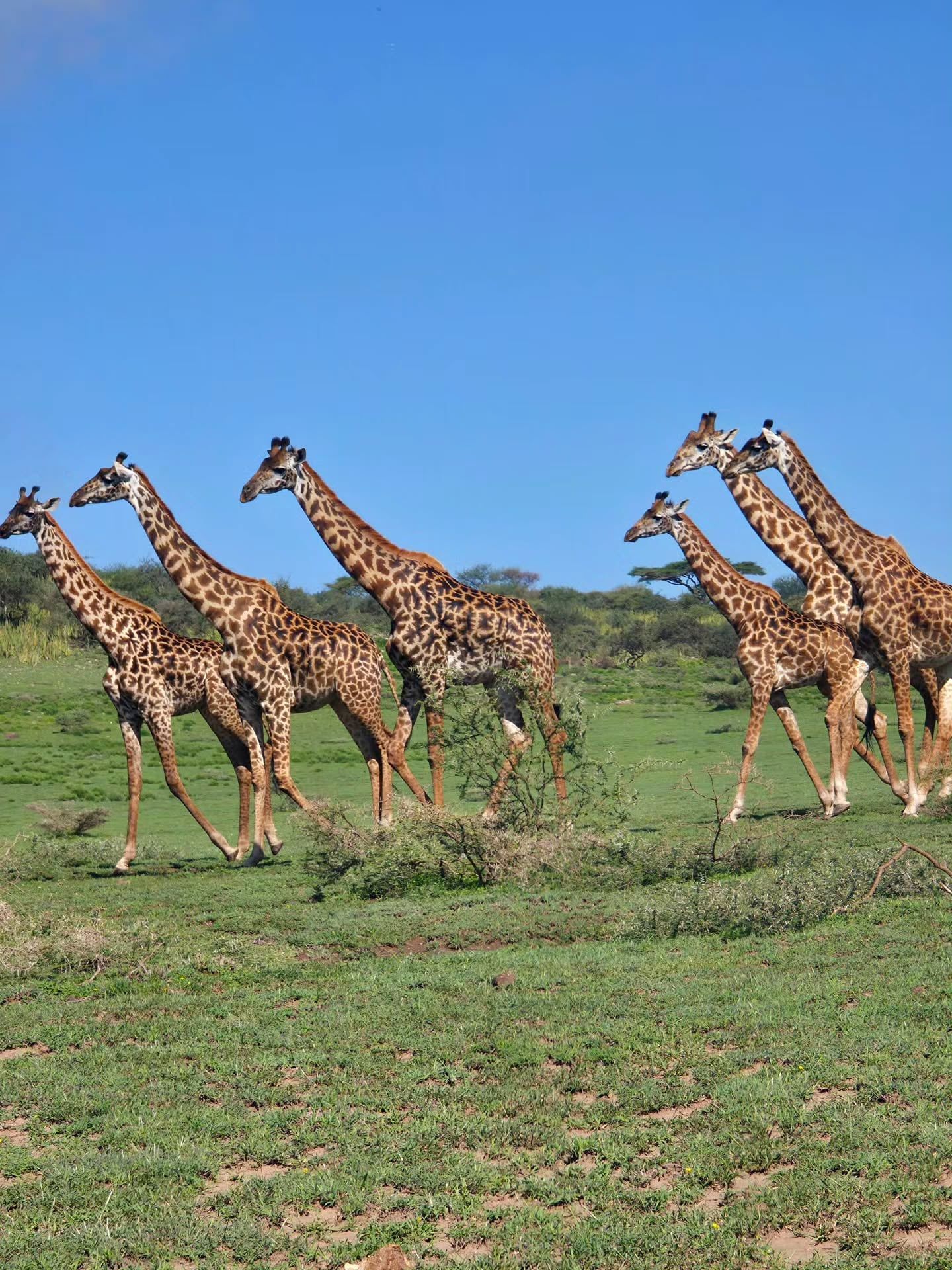
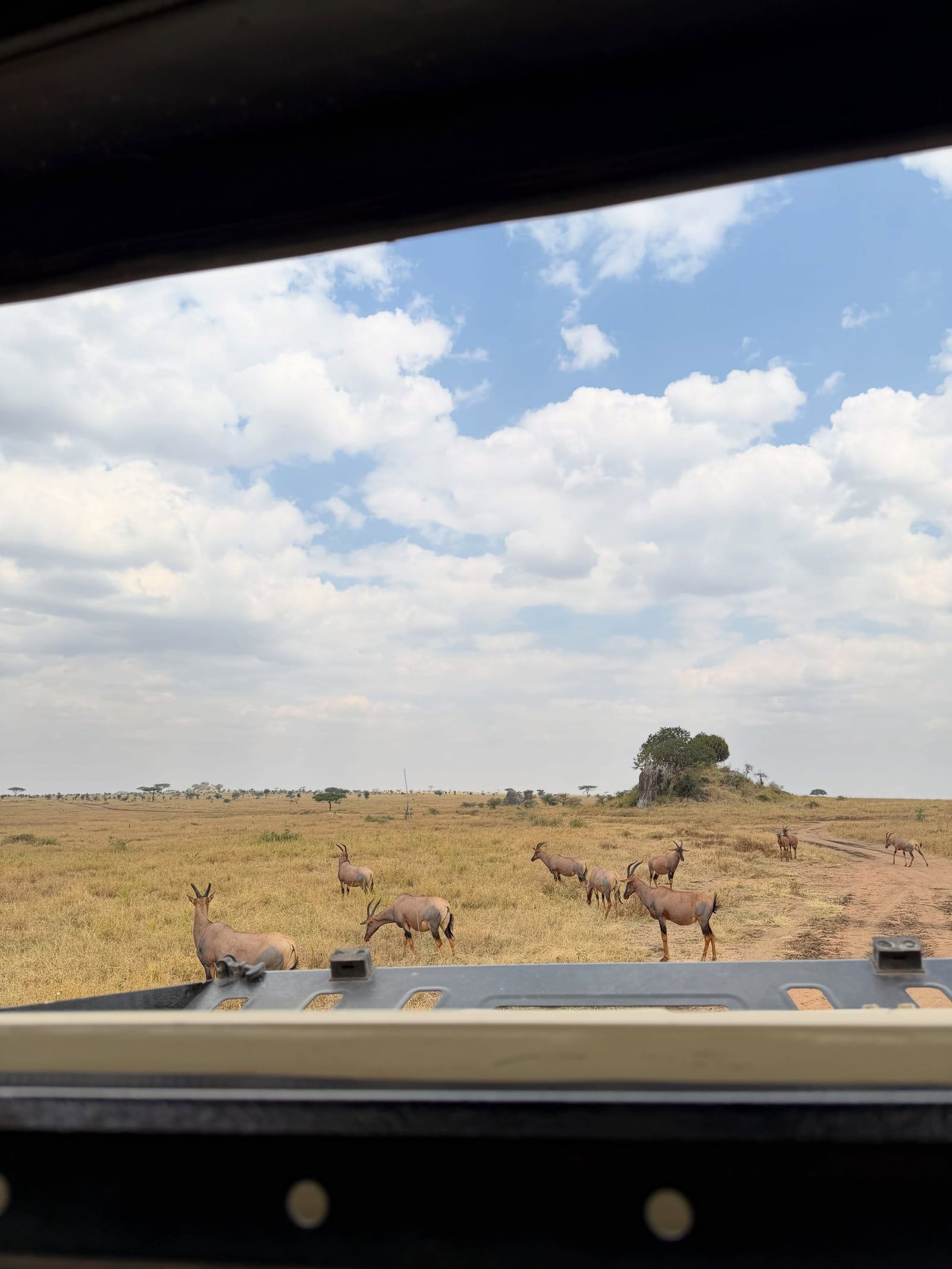
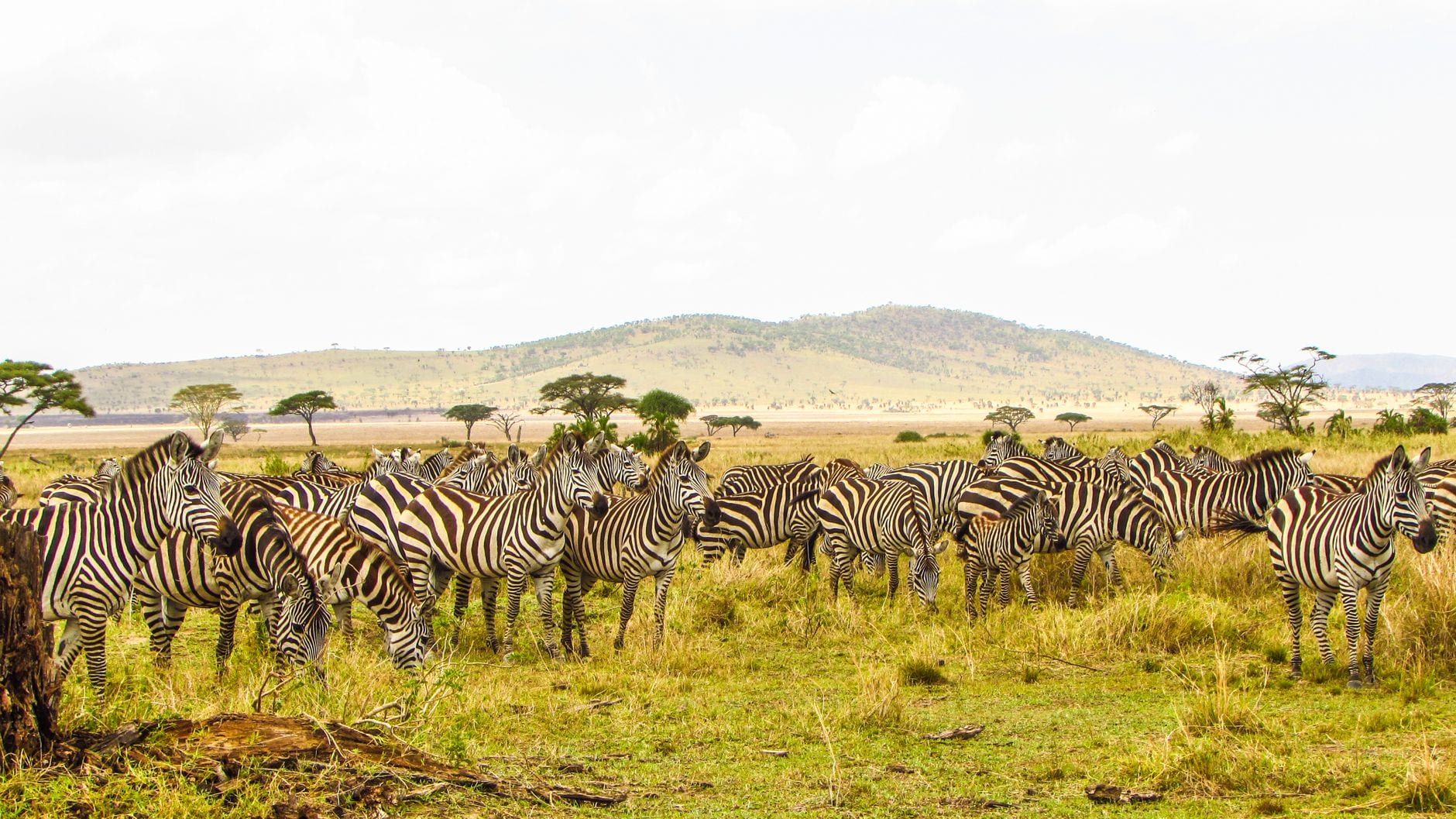
This unbroken savannah stages the largest unaltered terrestrial animal migration on the planet. Roughly 2 million wildebeest, 900,000 Thomson's gazelles, and 300,000 zebras move across the plains in a continuous, weather-driven circuit. They share the grass with an exceptionally dense predator population, including about 4,000 lions. The ecosystem relies heavily on the Mara River. Flowing from Kenya's Mau forests south and then west into Lake Victoria, it's the only permanently flowing river in the region and the site of the migration's chaotic water crossings.
That massive footprint took decades to assemble. British colonial authorities created a tiny 3.2-square-kilometer game reserve in 1921 just to protect a declining lion population from hunters. By 1951, Tanzania formally established the Serengeti as one of its first national parks. They didn't stop there.
In 1959, the Ngorongoro Conservation Area was split off from the park, while the Serengeti's northern boundary pushed up to the Kenyan border. Adding the Maswa Game Reserve in 1962 and the Lamai Wedge in 1965 finally secured the continuous migration corridor that exists today. UNESCO recognized the area as a World Heritage Site in 1981, citing its productive predator-prey ecology and globally threatened species like the wild dog, elephant, and cheetah.
Discover the full history and cultural significance on our About page.
Between July and October, thousands of wildebeest gather on the banks of the Mara River in the northern Kogatende area. Eventually, they plunge into the crocodile-filled water. The crossing can last minutes or hours as herds build up courage. Expect a chaotic, dust-churned spectacle driven by the dry season.
Central Serengeti offers the park's most reliable year-round wildlife viewing. Drive along the Seronera River to find leopards draped over the branches of sausage trees. Nearby, lion prides rest on the Simba Kopjes—abrupt granite rock outcrops that provide shade and hunting vantage points across the flat grasslands.
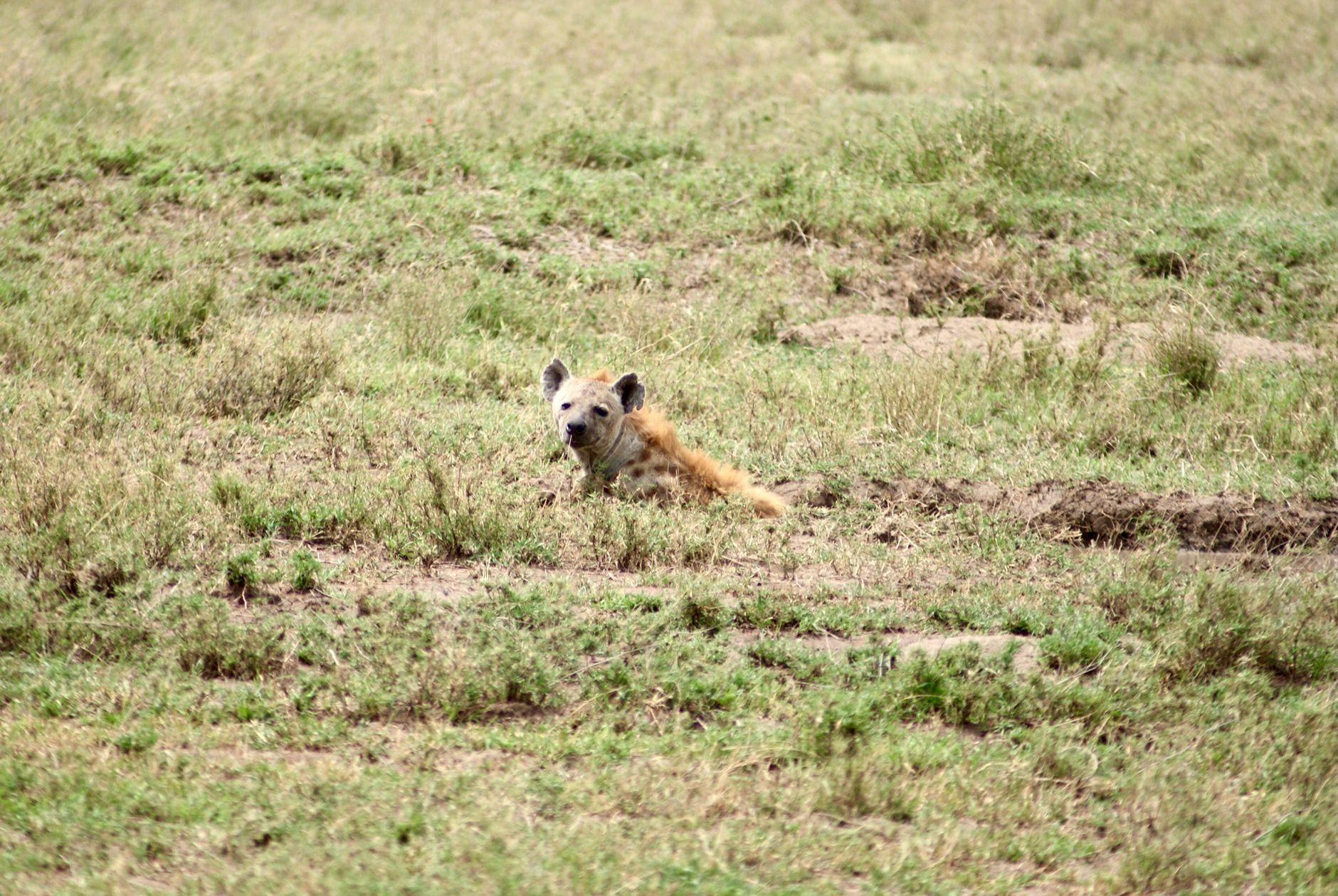
Huge wildebeest herds gather on the short-grass plains around Ndutu and Naabi Hill from December to March to give birth. This massive concentration of vulnerable newborns draws dense numbers of hunting lions, hyenas, and cheetahs. It is a brutal, active period for predator ecology.
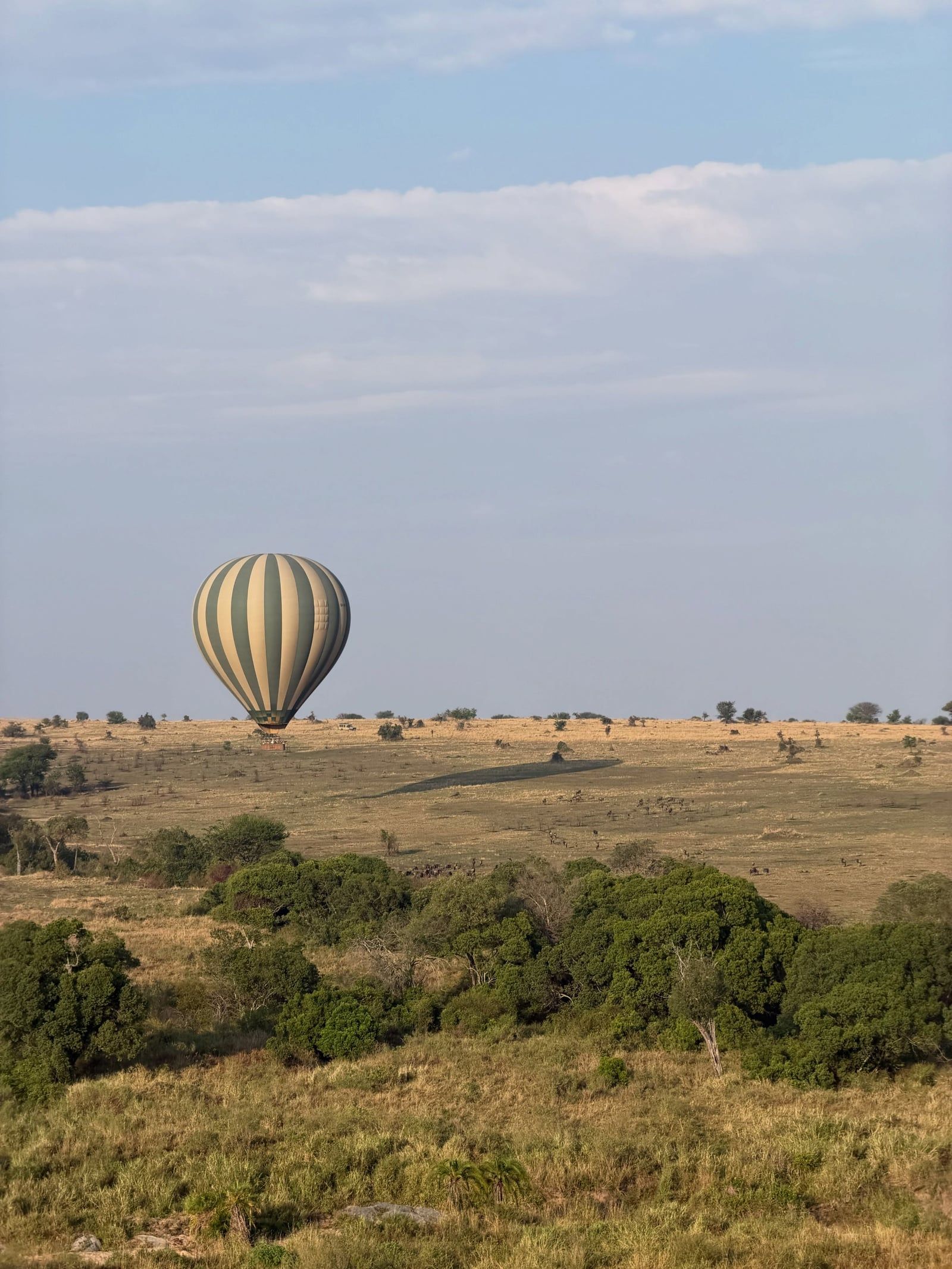
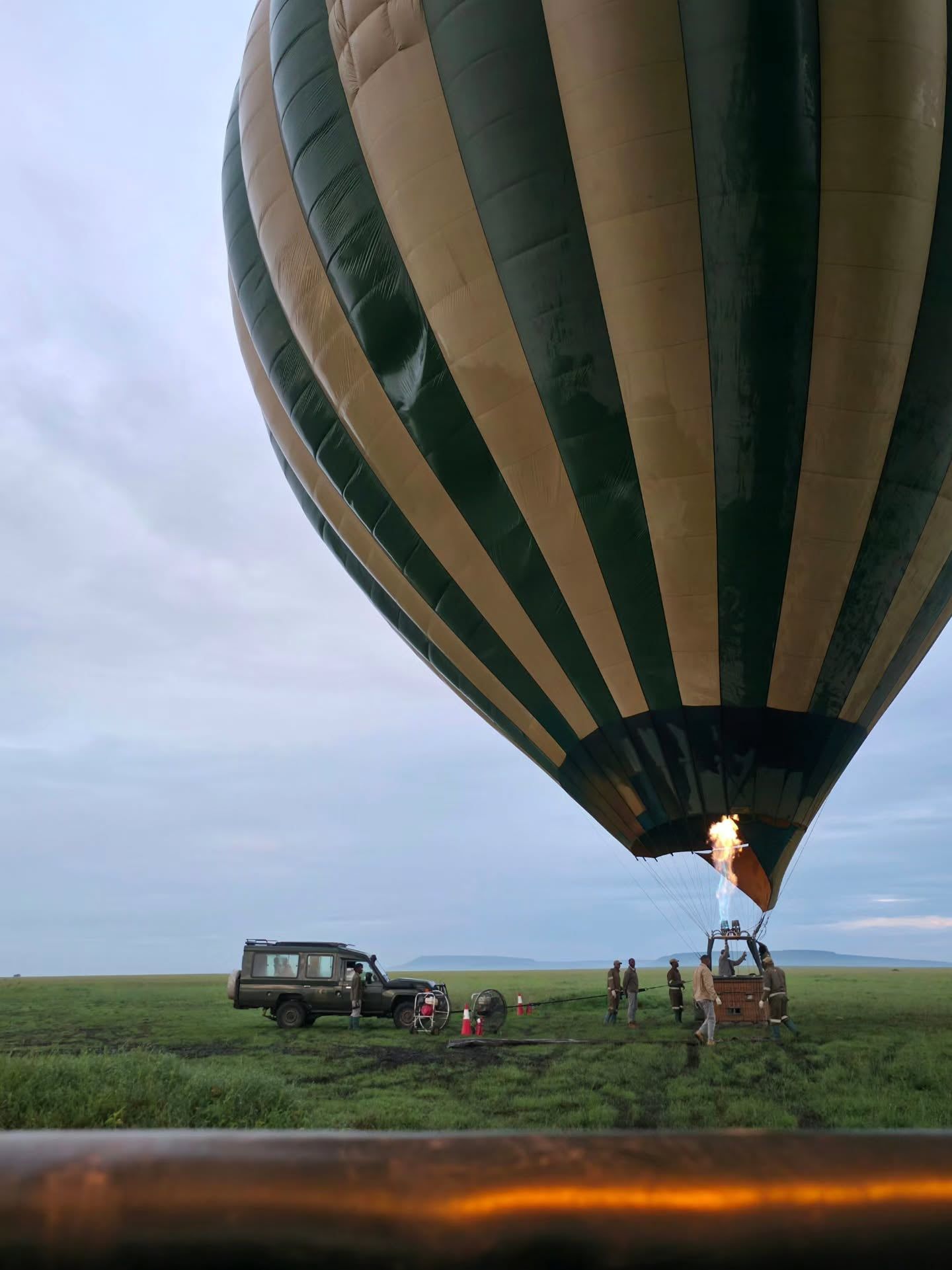
Take a sunrise hot-air balloon flight to drift silently over the grazing herds. The aerial view reveals the sheer scale of the 14,750-square-kilometer savannah. Flights usually end with a champagne bush breakfast on landing. Operators typically include the mandatory 50 USD adult landing fee in their package price.
Book safaris rated 4.8 and above, starting at $599, with trips lasting up to eight days and free 24-hour cancellation.
Swipe to see more
 Free Cancellation 192h
  Free Cancellation 216h
  Free Cancellation 144h
  192h
192h  Free Cancellation 72h
  Free Cancellation 120h
  Free Cancellation 96h
  Free Cancellation 72h
  Free Cancellation 168h
  Free Cancellation 72h
  Free Cancellation 96h
  Free Cancellation 72h
 Late June through October offers the most reliable wildlife viewing, with dry weather drawing animals to water sources and the Great Migration crossing the Mara River. March through May brings heavy rain and muddy tracks, making it the toughest time to visit despite lower prices.
September and October remain dry, keeping wildlife concentrated near water while Mara River crossings continue. November introduces shorter, unpredictable rains that can disrupt game drives.
Wildebeest herds gather on the short-grass southern plains near Ndutu to calve. Short rains fall early in the season, drawing dense concentrations of lions and cheetahs hunting vulnerable newborns.
The long rains deliver heavy downpours, muddy tracks, and lower wildlife visibility across the park. Prices drop and crowds thin out, but overland travel becomes a slog.
Daytime temperatures sit between 15 and 27 degrees Celsius. Dry conditions force animals toward remaining water sources, and wildebeest begin plunging into the crocodile-infested Mara River in the north.
The main access gates—Naabi Hill, Ndabaka, Klein's, Bolongoja, Fort Ikoma, and Handajega—open daily at 06:00 and lock at 18:00. You're only allowed to drive inside the park between those hours. Plan to arrive at your entry gate by 15:00. That gives you enough time to navigate the dirt tracks and reach your lodge or camp before dark.
| Category | Price |
|---|---|
| Foreign Adult (16+) | USD 83 per 24 hours (plus 18% VAT) |
| Foreign Child (5-15) | USD 24 per 24 hours (plus 18% VAT) |
| Child (Under 5) | Free |
| East African Citizen Adult | Tsh 10,000 per 24 hours |
| East African Citizen Child (5-15) | Tsh 2,000 per 24 hours |
| Overnight Concession Fee (Foreign Adult) | USD 60 per 24 hours (plus 18% VAT) |
| Overnight Concession Fee (Foreign Child 5-15) | USD 12 per 24 hours (plus 18% VAT) |
| Public Camping Fee (Foreign Adult) | USD 60 per 24 hours |
| Vehicle Entry (Small Vehicles) | Tsh 20,000 |
You don't need to book park entry in advance for a self-drive trip. Pay at the gate with cash (USD or Tsh) or a Visa or Mastercard. Expatriates and residents of Tanzania pay the standard foreign USD rates.
For complete schedules and ticket prices, visit our Hours & Fees page.
You can fly directly into one of the park's airstrips from Arusha or Kilimanjaro, or drive in via the northern safari circuit. Most visitors arrive by road through the Ngorongoro Conservation Area, entering at the Naabi Hill Gate.
📍 Northern Tanzania
Scheduled light-aircraft services depart from Arusha Airport or Kilimanjaro International Airport. These flights land at various airstrips near different lodges inside the park. The route often acts as an air-taxi service, making up to three stops along the way to drop off other travelers. It's the fastest way to skip the long overland drive.
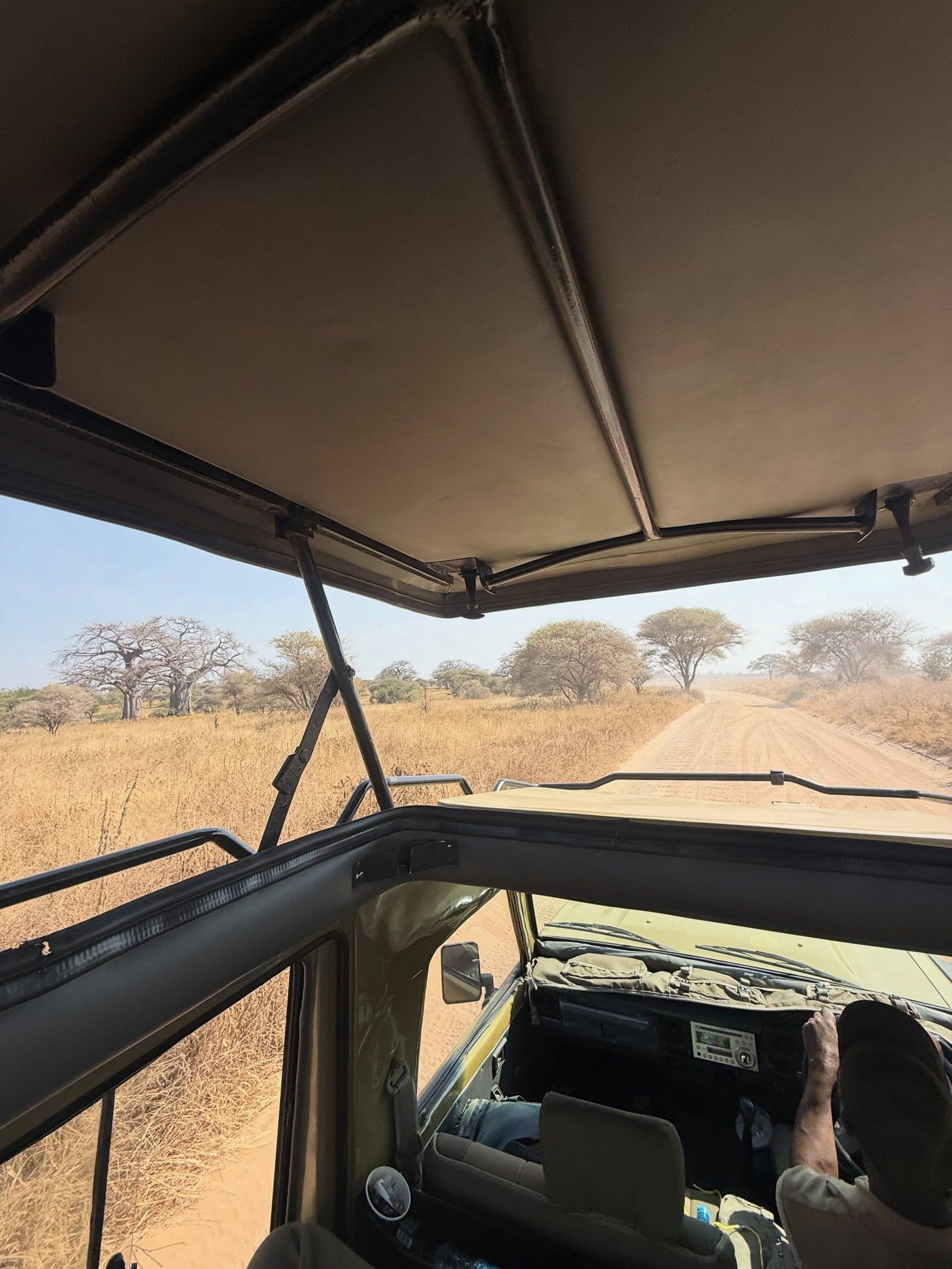
The standard overland route starts in Arusha and usually passes through Lake Manyara and Ngorongoro. You'll cover about 225 kilometers to reach the nearest entry points like Naabi Hill or Fort Ikoma. Driving all the way to central Seronera pushes the distance up to 335 kilometers. Self-drivers don't need advance booking and pay entry fees at the gate.
Travelers combining the Serengeti with Lake Victoria arrive from Mwanza. This route approaches the park from the west, ending at the Ndabaka Gate. You'll cover roughly 150 kilometers of road. Using this entrance puts you directly into the Western Corridor, where herds gather for the May and June migration river crossings.
Multi-park itineraries connect the Ngorongoro Crater directly to the Serengeti plains. The drive spans 145 to 157 kilometers between the crater rim and the central Seronera area. You'll pass through the Naabi Hill Gate corridor to enter the park. Many vehicles stop at the Olduvai Gorge paleoanthropological site to break up the dusty trip.
For detailed transport options and routes, visit our Directions page.
Standard travel requires booking eight to twelve months out. If you plan to visit during the Christmas, Easter, or June-to-October peak seasons, push that to 18 months. Many camps have limited rooms. They fill up completely up to two years early for the busiest weeks.
Pack neutral, earth-toned clothing like khaki, olive, or brown. Tsetse flies swarm riverine woodland areas like the Western Corridor and they target dark colors. Bug spray only partially deters them. Your best defense is a long-sleeved, light-colored shirt.
Driving inside the park is strictly banned between 6 PM and 6 AM. The drive from Arusha takes six to eight hours. Aim to hit your entry gate by 15:00. That gives you enough daylight to reach your lodge or camp before the rangers close the roads.
Vehicles must stay 200 meters from most game animals. For big cats like lions, cheetahs, and leopards, the absolute minimum distance is 25 meters. Do not pressure your driver to get closer. Guides who break these TANAPA regulations risk losing their operating licenses and their jobs.
The Great Migration is a continuous circuit. To watch wildebeest cross the Mara River, head to the Kogatende area between July and October. For the calving season, aim for the southern plains near Ndutu and Naabi Hill from December to March. The weather dictates the exact timing.
The entire park is a malaria zone. You need prescription anti-malarial pills like malarone or doxycycline. Mosquito populations spike right after the wet seasons in June, July, and December. Sleep under the mosquito nets provided by your lodge and apply strong repellent day and night.
This collapsed volcanic caldera holds an extraordinarily dense concentration of wildlife. You can spot Tanzania's few remaining black rhinos on the crater floor. It connects directly to the Serengeti via the Naabi Hill corridor.
Louis and Mary Leakey discovered key early human fossils at this paleoanthropological site. A small museum and viewpoint overlook the gorge. Stop here while driving the road between Serengeti and Ngorongoro.
Africa's largest lake trades savannah plains for fishing villages and boat trips. You can visit a local cultural center. It works well as a gateway if you exit through the western Ndabaka Gate.
Read what travelers share about their experience visiting Serengeti National Park — from practical tips to personal highlights.
Planning advice, comparisons, and practical tips.
A hot air balloon lifts off the Serengeti plains in the dark, before dawn, and drifts silently over the grass as the sky turns orange over the acacia…
Roughly two million wildebeest are on the move across the Serengeti right now, walking a loop they've walked for longer than anyone's been counting.…
Kenya's Masai Mara and Tanzania's Serengeti are really one ecosystem wearing two names, split by a border the wildebeest never notice. Both put you…
Serengeti National Park holds one of the densest concentrations of large mammals left on Earth: roughly 4,000 lions, 2 million wildebeest, 300,000…
Foreign adults pay $83 per 24-hour period, and kids aged 5 to 15 cost $24. Children under 5 get in free. If you stay overnight inside the park, expect an extra $60 per adult concession fee at your lodge or camp.
Target July through October to watch herds cross the Mara River in the north. If you want to see wildebeest calving and heavy predator action, head to the southern plains around Ndutu between December and March.
Driving takes about 6 to 8 hours to cover the 225 to 335 kilometers, usually routed through the Ngorongoro Conservation Area. You can also catch a scheduled light-aircraft flight from Arusha Airport, which lands at one of the park's airstrips in 70 to 160 minutes.
Stick to neutral earth tones like khaki, olive, and brown. Don't pack black or dark blue clothing, because those colors attract biting tsetse flies in the woodland and river areas. Bring long sleeves and pants for sun and insect protection.
The park relies on rough, unpaved dirt tracks. A few lodges and camps provide wheelchair-friendly rooms and adapted 4x4 vehicles, but you'll need to book these well in advance through a specialist operator. Sticking to a road-based Northern Circuit safari lets you skip small aircraft transfers.
Reserve your lodge 8 to 12 months ahead for standard dates. If you plan to visit during the peak June to October dry season or around Christmas and Easter, book 12 to 18 months out. Many camps have limited rooms and fill up fast.
No. Drones of all sizes are strictly banned everywhere inside the Serengeti, even if you hold a Tanzania Civil Aviation Authority permit. Commercial filming requires a specific, separate authorization arranged long before you arrive.
Main access gates open at 6:00 am and close at 6:00 pm. Driving inside the park is illegal outside these hours. Plan to arrive at your entry gate no later than 3:00 pm so you have enough daylight to reach your camp.
Browse verified tours with free cancellation and instant confirmation.
Find Tours

