About All ToursSafari ToursMigration ToursLuxury ToursNgorongoro Safari ToursBalloon ToursPrivate Tours Directions Hours & Fees Guides
Find Tours 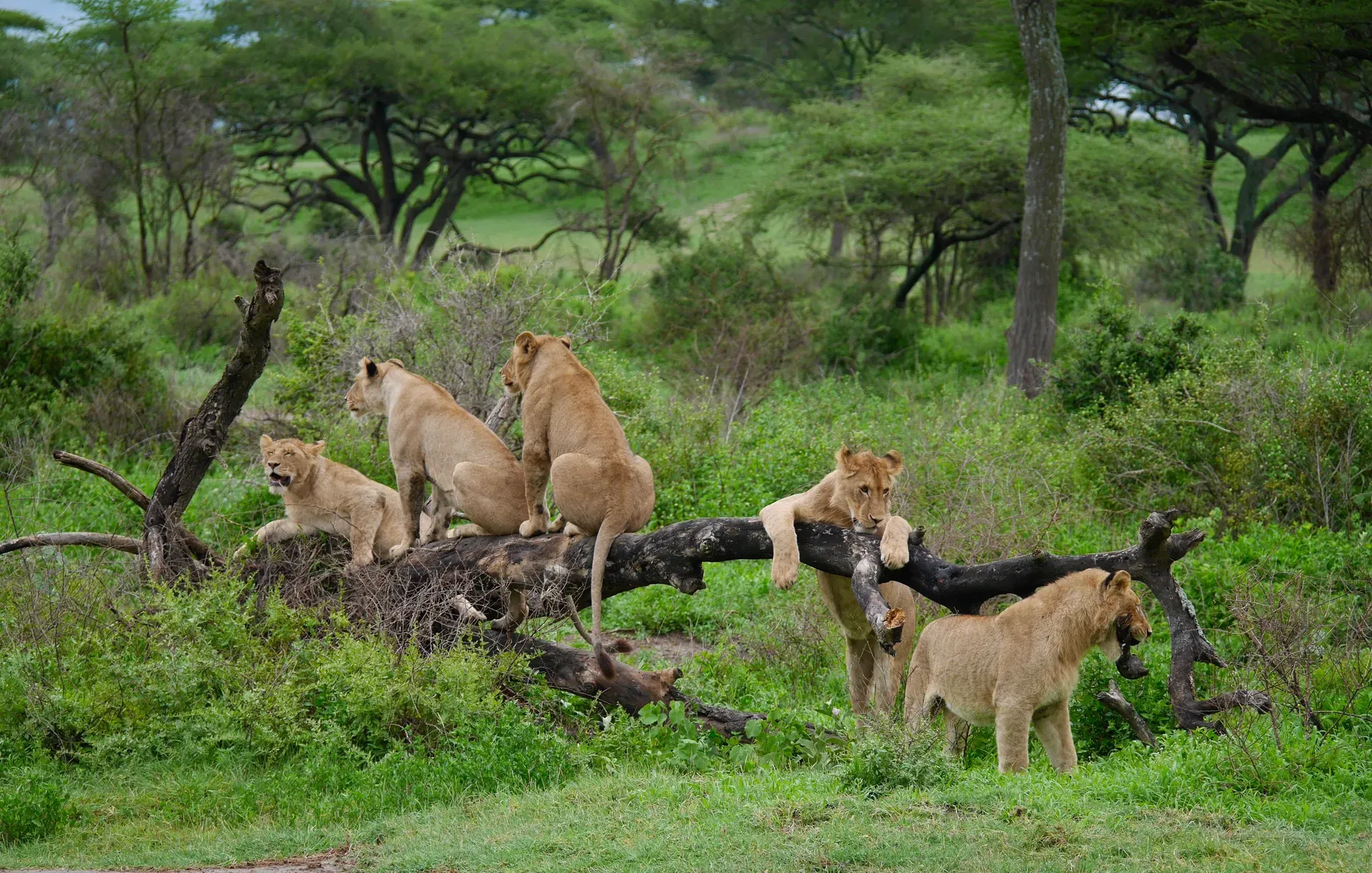
Track the Big Five across the Rift Valley on a combined Serengeti National Park and Ngorongoro safari. These multi-day itineraries range from group camping trips to private 4x4 excursions.
 Free Cancellation
 Camp through Serengeti and Ngorongoro over three days to see tree-climbing lions and the floor of a collapsed volcano.
 Free Cancellation
 Four-day safari through the Serengeti Great Migration, Ngorongoro Crater, and Tarangire’s baobab forests.
 Free Cancellation
 Four days tracking the Great Migration through Tarangire, the central Serengeti, and the Ngorongoro Crater.
 Free Cancellation
 Camp in the Serengeti and the Ngorongoro Crater to track Black Rhinos and the Big 5 inside an extinct volcano.

Private 4x4 safari through the Serengeti, Ngorongoro Crater, and the planet's largest elephant herds in Tarangire.

Skip the 10-hour drive with charter flights to see Serengeti lions and the Ngorongoro Crater floor.
 Free Cancellation
 This 4-day safari from Arusha tracks the Big 5 through Tarangire, the Serengeti, and Ngorongoro Crater.
 Free Cancellation
 This 3-day camping safari covers the Serengeti and Ngorongoro Crater with departures from Arusha.

This 8-day circuit hits Tanzania’s northern highlights, from Serengeti migration tracks to the Ngorongoro floor.
 Free Cancellation
 This three-day Tanzania safari covers the Serengeti plains and a 600-meter descent into the Ngorongoro Crater.
Read what travelers share about their experience visiting Serengeti National Park — from practical tips to personal highlights.
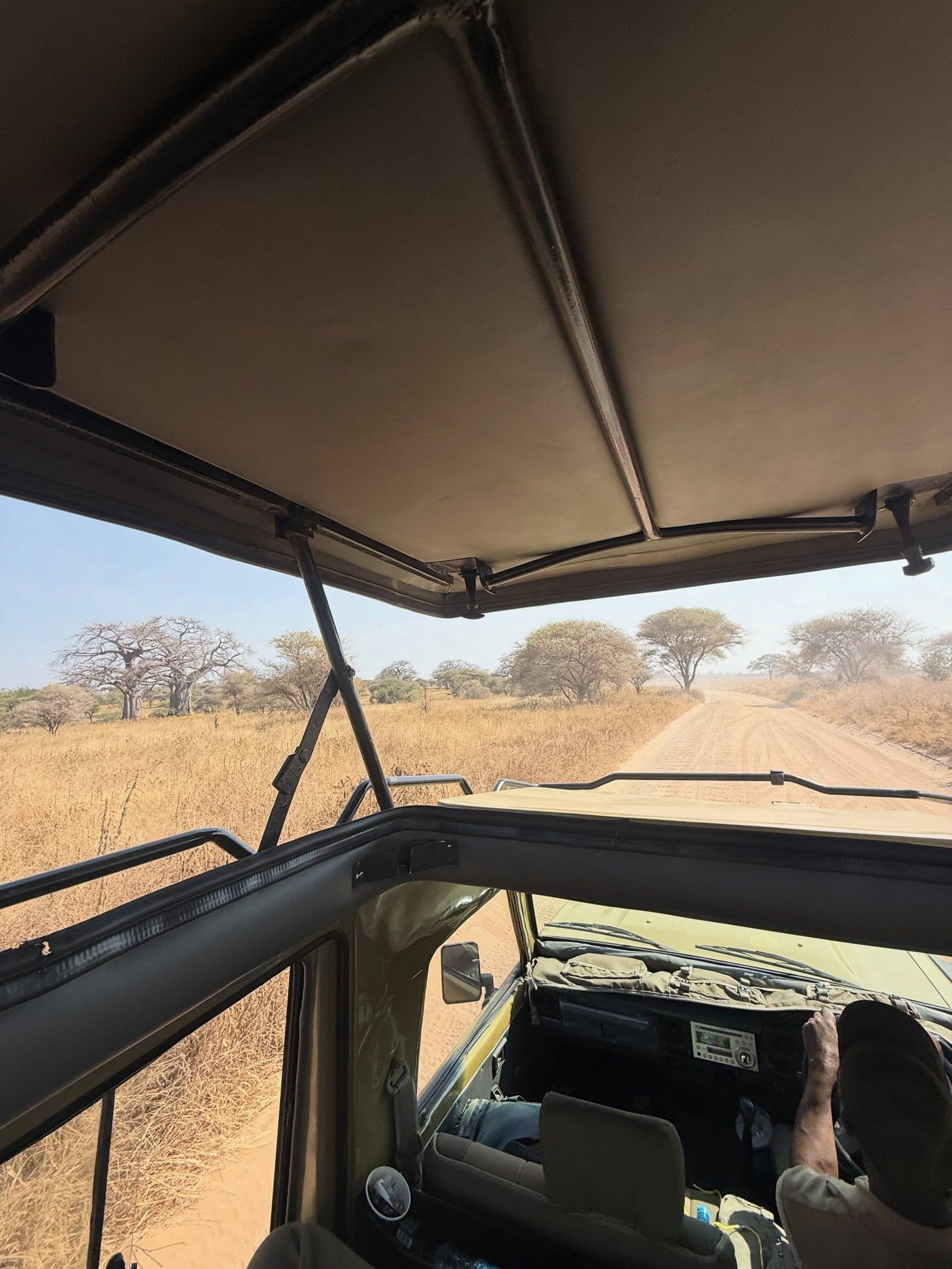
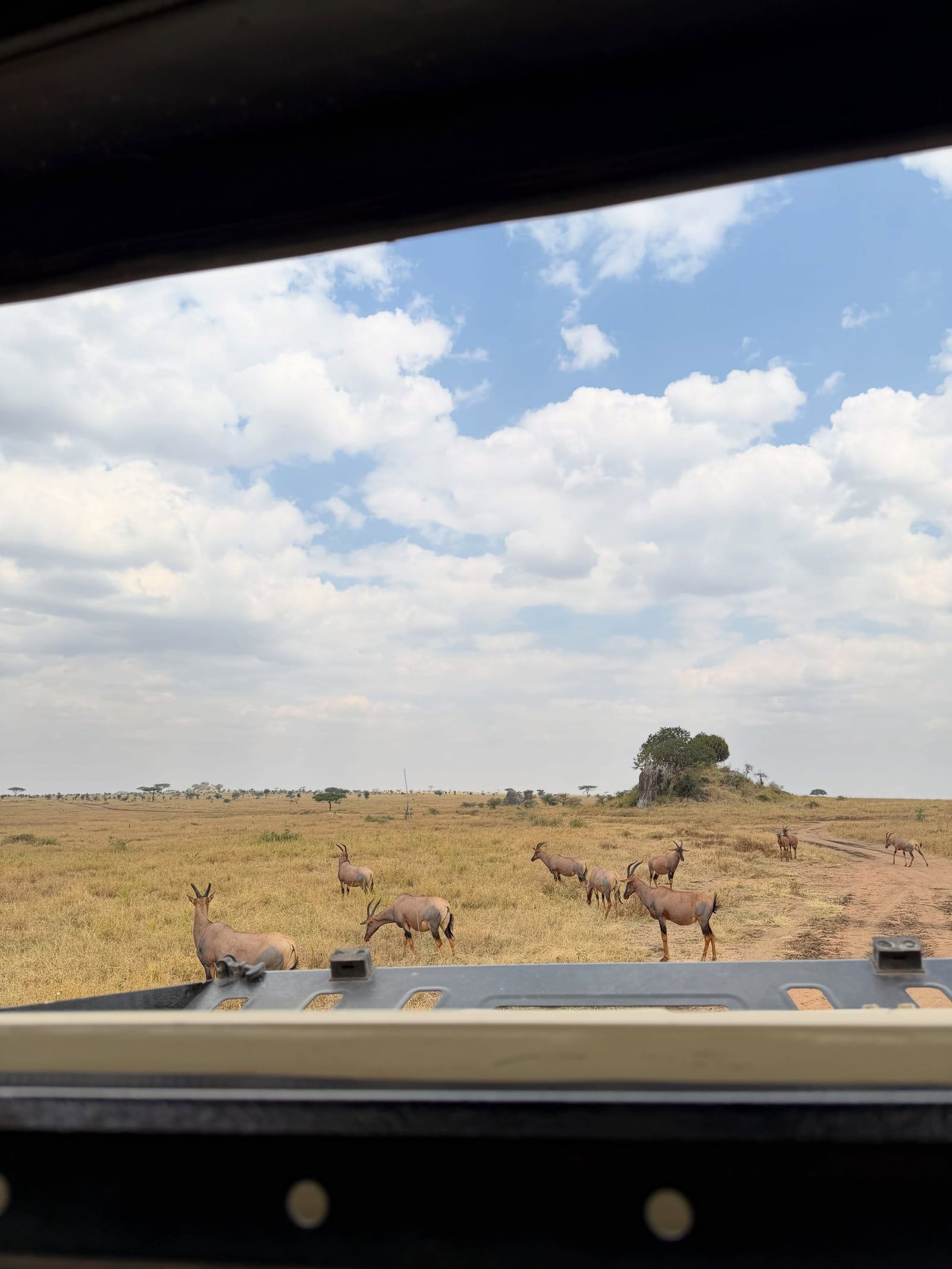
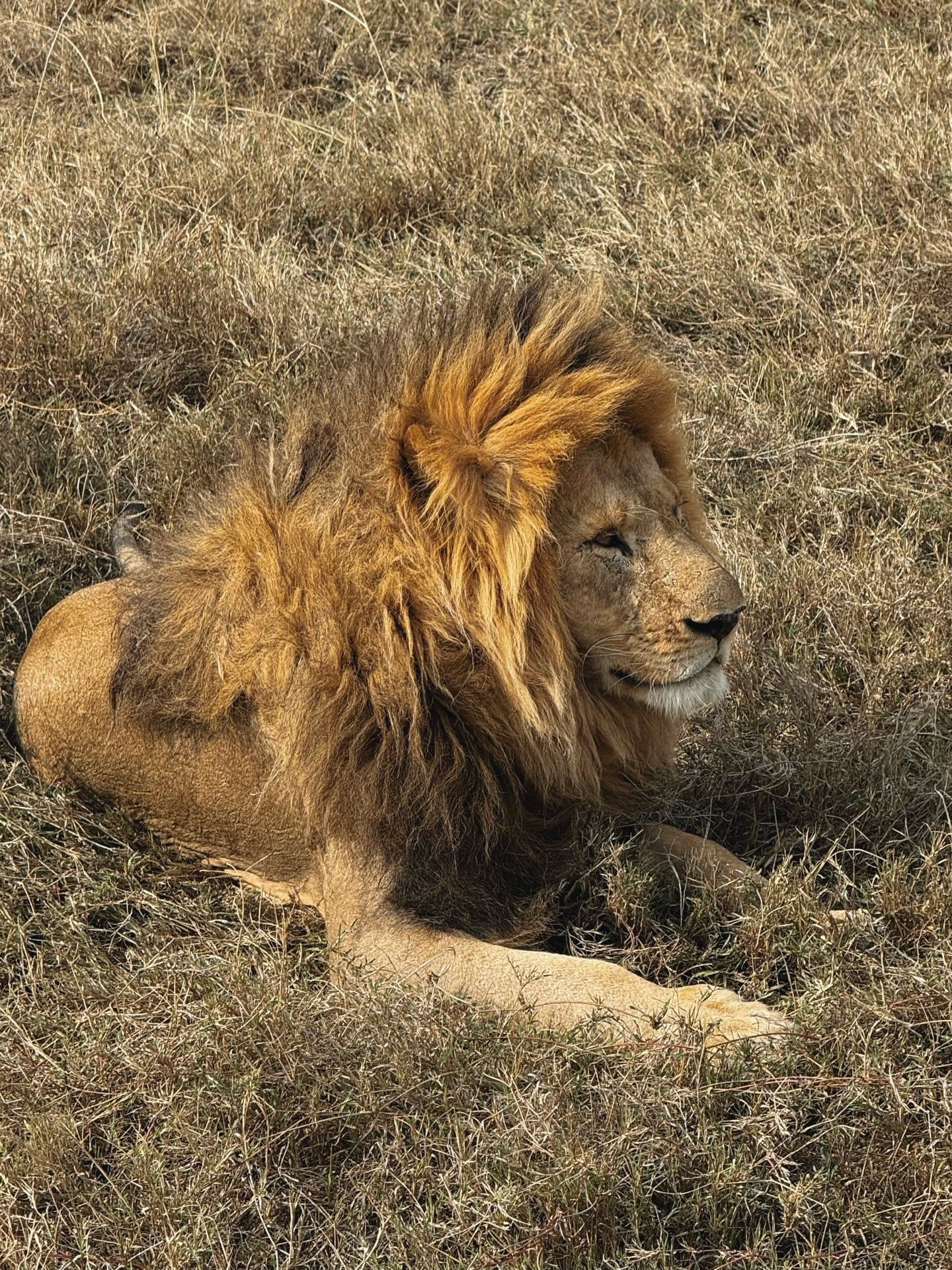
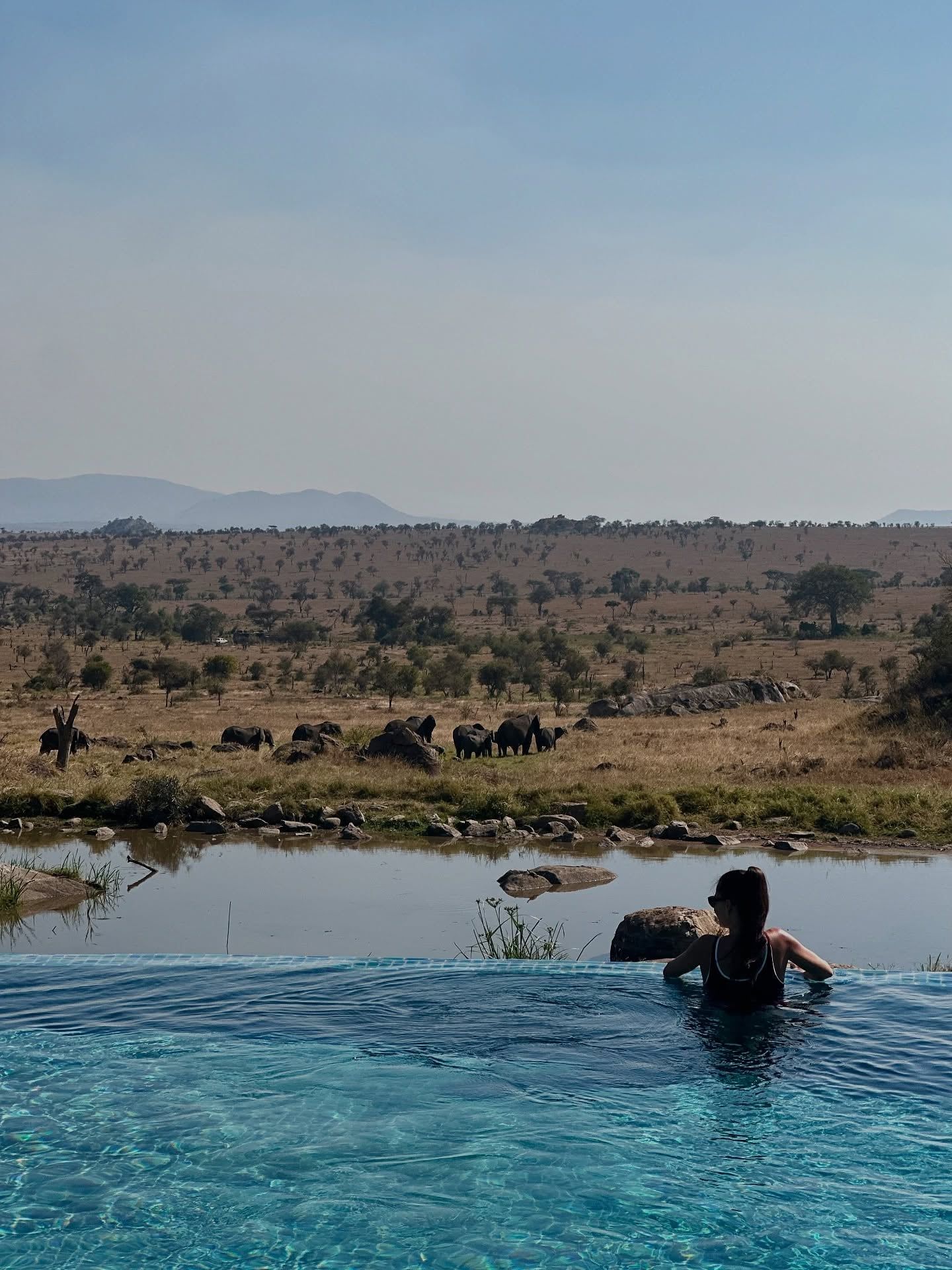
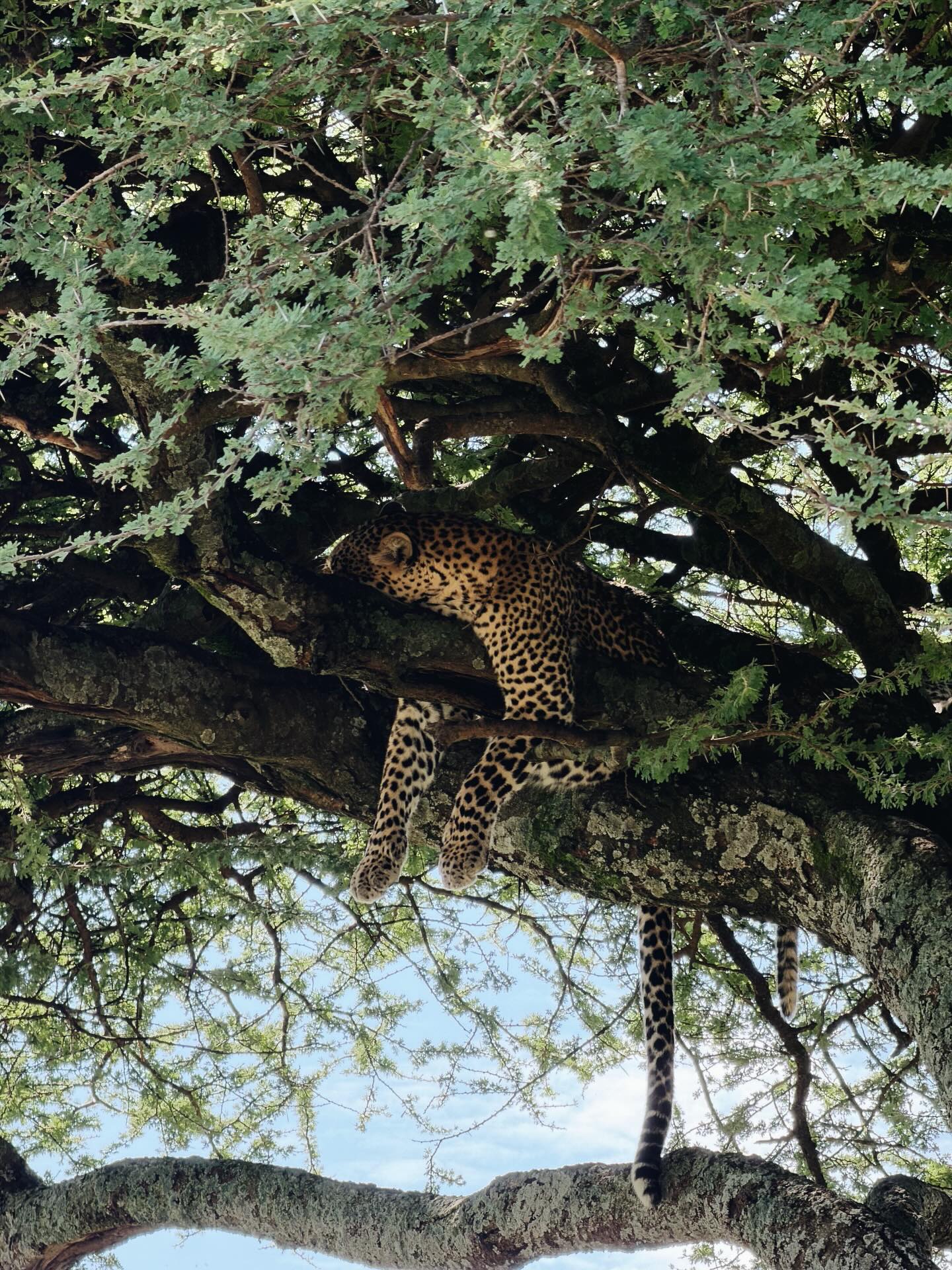
Safari tours through the Serengeti and Ngorongoro Crater combine high-density predator viewing with vast, treeless landscapes. You will spend hours in a 4x4 vehicle navigating corrugated dirt tracks to track millions of migrating wildebeest and the resident Big Five.
Herds of wildebeest plunge into crocodile-infested waters in the northern sector between July and October. The chaotic crossings can last for hours as animals build up courage on the banks.
This collapsed volcanic caldera drops 600 meters from rim to floor. It holds one of Tanzania's few remaining populations of black rhino.
The central Serengeti provides the park's most reliable year-round wildlife sightings. Leopards regularly drape themselves over the branches of sausage trees along the river.
Most multi-day circuits stop at Tarangire National Park first. You will drive among 600-year-old baobab trees and massive elephant herds.
Budget group tours use public campsites inside the parks. Expect basic tents, shared bathrooms, and the sound of hyenas moving through the unfenced grounds at night.
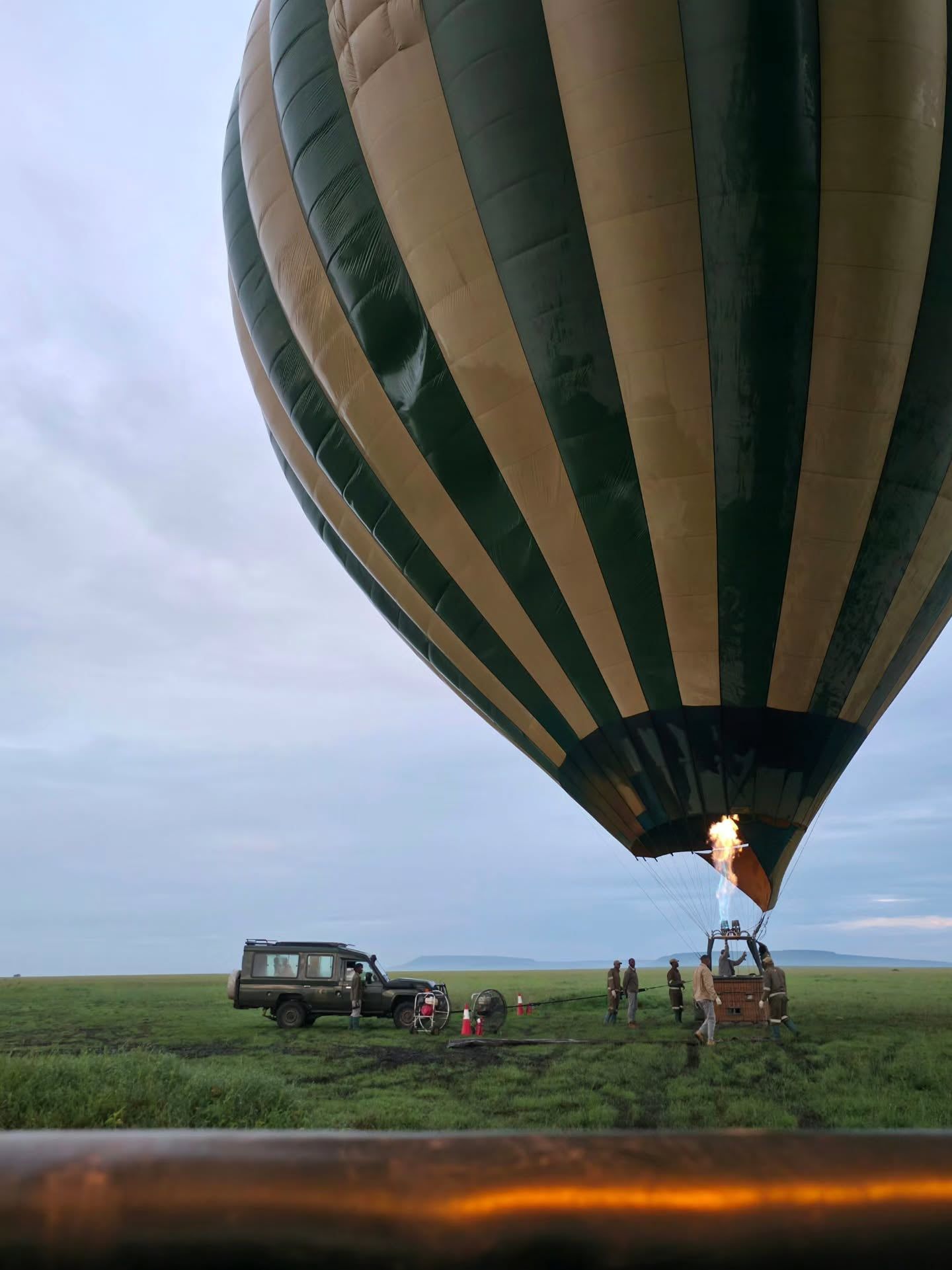
Sunrise hot-air balloon rides drift silently over grazing herds. The flight ends with a champagne bush breakfast right on the plains.
Booking a northern Tanzania safari requires choosing between budget group camping and high-end private lodge tours. Advance planning is strictly necessary to secure accommodation during peak months.
Options range from fast 3-day group camping loops to 8-day private lodge circuits. Group camping means sharing a 4x4 and pitching basic tents. Private tours provide exclusive vehicle use and proper beds.
Reserve lodges 12 to 18 months ahead for the July-October dry season and the Christmas holidays. Camps have limited rooms and sell out entirely up to two years in advance.
Most multi-day tours bundle the USD 83 daily Serengeti park fee and crater transit costs into the final price. Check your itinerary to confirm the USD 60 nightly concession fee for overnight stays is also covered.
Game drives involve 6 to 8 hours of daily driving on heavily corrugated, dusty dirt roads. It is a slog for anyone with back issues. Fly-in safaris bypass the worst of the driving.
The Serengeti has no paved paths. Wheelchair users should book specialized private tours that provide adapted 4x4 vehicles and accessible ground-floor lodge rooms.
Group camping tours often allow full refunds for cancellations made 24 hours in advance. High-end private safaris and fly-in tours usually enforce strict non-refundable policies or tiered penalties starting days before departure.
Pack neutral earth tones like khaki and olive. Dark blue and black clothing attracts painful tsetse flies in the woodland areas.
Swipe to see more
| Group Camping Safari | Private 4x4 Circuit | Fly-In Safari | |
|---|---|---|---|
| Duration | 3 Days | 4-5 Days | 3 Days |
| Accommodation | Basic tents & shared bathrooms | Private lodges | Central airstrip camps |
| Inclusions | Meals, guide, park fees | Exclusive vehicle, airport transfers | Internal flights, camping equipment |
| Price from | $790 | $3,205 | $2,750 |
Swipe to see more
The main Serengeti access gates open at 06:00 and close exactly at 18:00. These include Naabi Hill, Ndabaka, Klein's, Bolongoja, Fort Ikoma, and Handajega.
Driving inside the park is only permitted between 6am and 6pm. Vehicles found on the tracks after dark face severe penalties.
Visitors driving in from Arusha should arrive at their entry gate no later than 15:00. This ensures enough daylight remains to reach your lodge or campsite before the curfew hits.
The most common approach is a guided drive-in safari from Arusha. The journey covers roughly 225 km to the nearest gates and takes about 6 hours. Reaching the central Seronera area can take up to 8 hours depending on road conditions.
Scheduled light-aircraft flights offer a faster alternative. Planes depart from Arusha Airport or Kilimanjaro International Airport and land at dirt airstrips inside the Serengeti. Flights take between 1 hour 10 minutes and 2 hours 40 minutes.
Visitors connecting from western Tanzania can drive from Mwanza on Lake Victoria. This route covers 150 km and takes 3 to 4 hours to reach the Ndabaka Gate.
The dry season from late June to October offers the best overall wildlife viewing. Animals concentrate around remaining water sources, and temperatures stay comfortable between 15 and 27 degrees Celsius. This is the time to see Mara River crossings in the north.
December through March brings the calving season to the southern short-grass plains near Ndutu. Huge herds gather here, drawing dense concentrations of lions and cheetahs.
March to May brings the long rains. Roads turn to thick mud and wildlife scatters. Skip this season unless you want the absolute lowest prices and empty camps.
Serengeti National Park consists entirely of rough dirt tracks and unpaved terrain. Standard game drive vehicles require climbing up into high seats.
A limited number of lodges offer wheelchair-friendly rooms. Travelers with mobility limits must book through specialist operators who provide adapted 4x4 vehicles with ramps or lifts.
Tanzania's Northern Circuit is entirely road-based. This allows wheelchair users to travel directly from Arusha through Ngorongoro to the Serengeti without navigating small bush planes.
Public campsites provide basic shared bathrooms and cleared dirt patches for tents. They do not have fences, so wildlife frequently walks through the grounds.
Private lodges and tented camps offer full beds, en-suite bathrooms, and dining tents. Power relies on solar or generators, meaning electricity is often cut late at night.
Fuel and basic supplies are available near the central Seronera headquarters, but visitors must bring all necessary medications and specialized gear with them from Arusha.
Foreign adults pay USD 83 per 24 hours. If you stay overnight inside the park, you also pay a USD 60 concession fee per night. Children aged 5 to 15 pay USD 24 for entry.
Most multi-day guided tours include the daily park entry and transit fees in their total price. Always check the exclusions list to confirm the nightly concession fee is covered.
The migration is a continuous year-round loop. The famous Mara River crossings happen in the north between July and October, while the calving season occurs in the south from December to March.
The drive takes 6 to 8 hours on heavily corrugated dirt roads. Most tours break up the 225 km journey with an overnight stop at Lake Manyara or the Ngorongoro Crater.
Yes. Scheduled light aircraft fly from Arusha and Kilimanjaro airports directly to dirt airstrips near the major lodges. The flight takes roughly two hours and avoids a full day of driving.
Yes, but the campsites are completely unfenced. Animals will walk through the camp at night. Rangers provide escorts for public campsites, and you must stay in your tent after dark.
Wear neutral earth tones like khaki, olive, and brown. Avoid dark blue and black clothing, which attracts painful tsetse flies in the woodland areas.
No. Drones are strictly prohibited everywhere inside the park under TANAPA regulations. You cannot fly one even if you have a permit from the civil aviation authority.
The Serengeti is a vast, flat expanse of open grassland known for massive migrating herds. Ngorongoro is a 600-meter deep volcanic caldera that traps a dense, non-migrating population of wildlife in a small area.
Yes. The park is a malaria risk zone. You should take prescribed anti-malarial medication like Malarone or Doxycycline, especially around the wet seasons in June and December.
Browse verified tours with free cancellation and instant confirmation.
Find Tours


This three-day camping loop covers the Rift Valley, Serengeti, and Ngorongoro Crater. You'll look for lions lounging in tree branches and elephants moving through acacia groves. It's a camping trip, so expect dust, basic tents, and shared bathrooms. If you want luxury lodges, skip this one. The route descends 600 meters into the Ngorongoro Crater, a collapsed volcano housing roughly 25,000 animals. You'll likely see rhinos and hippos on the crater floor within a few hours. The rim sits at 2,300 meters, meaning temperatures drop sharply at night. Bring a heavy jacket. The descent road is steep and gets muddy after rain, so check the weather if you're prone to motion sickness.
For a full refund, cancel at least 24 hours before the scheduled departure time.
English


Tarangire’s baobab trees store up to 1,000 liters of water in their trunks to survive the dry season. You’ll spend the first day among these 600-year-old giants before moving to the Ngorongoro Crater. The crater floor is a self-contained ecosystem where you can watch the sunrise over the rim and spot rhinos in the grass by mid-morning. It’s crowded. Get to the gate by 6:00 AM to beat the first wave of land cruisers. Two days in the Serengeti follow the Great Migration’s path. You’re looking for columns of wildebeest and zebra, often joined by smaller groups of eland and impala. The plains are flat and stretch to the horizon, which makes spotting predators easier during sunset drives. If the migration has moved north, the drive is a long slog. Bring a heavy jacket for the pre-dawn starts.
For a full refund, cancel at least 24 hours before the scheduled departure time.
English


This four-day circuit covers Tarangire National Park, two days in the Serengeti, and a final day inside the Ngorongoro Crater. You'll spend the first full day in Tarangire before driving into the central Serengeti. The main draw is the 1.5 million wildebeest and zebras that make up the Great Migration. Because of seasonal droughts, predators follow these herds across the plains, so sightings depend on the current grass height and water levels. Central Serengeti is the base for an evening game drive and an overnight stay at the Seronera campsite. You'll eat dinner and sleep inside the park, where the lack of fences means you'll hear hyenas or lions from your tent. Wake up at 5:30 AM for the sunrise. It's cold on the plains before the sun hits, so bring a heavy fleece. The trip ends with a full day on the 600-meter-deep floor of the Ngorongoro Crater. This caldera holds a permanent population of lions, elephants, and rare black rhinos. While the wildlife density is high, the crater floor gets crowded with vehicles by 10:00 AM. Book the earliest possible entry slot to avoid the midday dust and traffic.
For a full refund, cancel at least 24 hours before the scheduled departure time.
English


Ngorongoro is an intact volcanic caldera where Black Rhinos live alongside the rest of the Big 5. The crater floor sits 600 meters below the rim. This depth forms a natural enclosure about 20 kilometers wide. It's the most reliable place in the country to see a rhino. Temperatures on the rim drop sharply after sunset, so bring a heavy fleece for the campsite. Serengeti camping puts you in unfenced sites where hyenas and lions move through the grass near the tents. This park covers 14,750 square kilometers of savanna and rocky outcrops called kopjes. You'll spend most of the day in a 4x4 tracking predators. Dust is a constant problem in the dry months; keep your camera in a sealed bag when you aren't shooting. Choose the central Seronera region if you want the highest density of large cats.
For a full refund, cancel at least 24 hours before the scheduled departure time.
Swedish, English, Italian, French, Spanish


You'll track the Big Five in the Ngorongoro Crater and see the planet's largest elephant population in Tarangire. This private 4x4 tour crosses the Serengeti's open plains. Tarangire is crowded with baobab trees and thousands of elephants. It's the best place for close-up sightings. The Ngorongoro Crater's 600-meter walls keep the wildlife concentrated. You'll likely see lions, rhinos, and leopards in a single afternoon. Your guide handles the navigation and explains how these species find water in the heat. Serengeti drives are long—expect eight hours on unpaved roads. It's a bumpy trip. Bring a scarf to block the dust when the roof is open.
All sales are final. No refund is available for cancellations.
English


Scheduled charter flights replace the two-day drive from Arusha, landing you directly on the Serengeti's central dirt airstrips. It's the fastest way to reach the resident lion prides that served as the models for The Lion King. You'll save roughly 16 hours of transit time. That's worth the extra cost. The Ngorongoro Crater floor sits 600 meters below the rim, creating a natural enclosure for about 25,000 large mammals. To see the black rhinos, you need to be at the descent gate by 6:00 AM. If you wait until mid-morning, the heat haze and vehicle dust make photography difficult. Between July and October, the wildebeest migration usually congregates in the north, though the herds stay in the south to calve in February. Pack a heavy fleece for the crater rim. Temperatures there drop near freezing at night, a sharp contrast to the Serengeti's dry heat. Cessna charter planes often hit turbulence in afternoon thermals. Book the morning flights for a smoother ride.
If you cancel at least 6 full day(s) before the scheduled departure time, you will receive a full refund.<br>If you cancel between 2 and 6 day(s) before the scheduled departure time, you will receive a 50% refund.<br>If you cancel within 2 day(s) of the scheduled departure, you will receive a 0% refund.
English, Spanish


This four-day loop starts and ends in Arusha, covering Tarangire National Park, the Serengeti, and Ngorongoro Crater. It's the fastest way to track the Big 5 if you're short on time. You’ll spend most of the trip in a 4x4, moving between the baobab-heavy landscape of Tarangire and the central Serengeti plains. The route includes the 600-meter descent into the Ngorongoro Crater floor. Expect long stretches of bumpy roads between the parks—it’s a lot of ground to cover in 96 hours. It's the most direct way to see the northern circuit's primary wildlife areas. Pack a dust mask for the dry season.
For a full refund, cancel at least 24 hours before the scheduled departure time.


Day one starts with the drive from Arusha into the Serengeti for an afternoon game drive. You'll visit hippo pools to see pods submerged in the mud. It's a long, dusty trek. Pack extra water. The second day moves to the Ngorongoro Conservation Area for a drive through the crater floor. You'll spend the night camping inside the park where it gets cold. Bring a heavy fleece for the evening. The final day is the return trip to Arusha. It's a full day of travel. Most groups arrive in the late afternoon, so don't book a flight out for the same evening.
For a full refund, cancel at least 24 hours before the scheduled departure time.


This 8-day safari covers the northern circuit, starting with a pickup at Arusha Airport. You'll spend the first two days in Tarangire and Lake Manyara. Tarangire is defined by its baobabs and elephant herds. Manyara is the place to spot tree-climbing lions. Bring binoculars for the lake's soda flats; the birdlife is dense but often distant. Three full days are spent in the Serengeti to track the Great Migration across the plains. This is the best window to see big cats hunting. After the plains, you'll descend 600 meters into the Ngorongoro Crater on day seven. It's a wildlife fishbowl. Expect heavy vehicle traffic at the crater floor entrance—it’s the busiest part of the trip. Nights are split between lodges and tented camps. The final day returns to Arusha for local markets and souvenir stops. We've run these routes for four years and use mid-range accommodations to keep costs down. Pack a heavy jacket for the Ngorongoro rim; it drops below 10°C at night.
If you cancel at least 6 full day(s) before the scheduled departure time, you will receive a full refund.<br>If you cancel between 2 and 6 day(s) before the scheduled departure time, you will receive a 50% refund.<br>If you cancel within 2 day(s) of the scheduled departure, you will receive a 0% refund.


This three-day Tanzania safari covers the Serengeti plains and the Ngorongoro Crater floor. Most of the first two days are spent in the central Serengeti, where the Seronera River attracts leopards and large prides of lions. You'll drive across open grasslands to find cheetahs hunting gazelles. It's a lot of time in a Land Cruiser. Pack dust-proof bags for your camera gear. The final morning starts with a 600-meter descent into the Ngorongoro Crater. This 20-kilometer-wide caldera has roughly 30,000 animals, including rare black rhinos and massive tuskers. Look for hippos in the Magadi Lake shallows. The road down is steep and bumpy. Accommodations are usually permanent tented camps or lodges near the crater rim. If you want to see the Great Migration, check the herd's location before booking; they move between the south and north depending on the month. Bring a warm jacket for the crater rim—it drops below 10°C at night even in summer.
For a full refund, cancel at least 24 hours before the scheduled departure time.
English