About All ToursSafari ToursMigration ToursLuxury ToursNgorongoro Safari ToursBalloon ToursPrivate Tours Directions Hours & Fees Guides
Find Tours 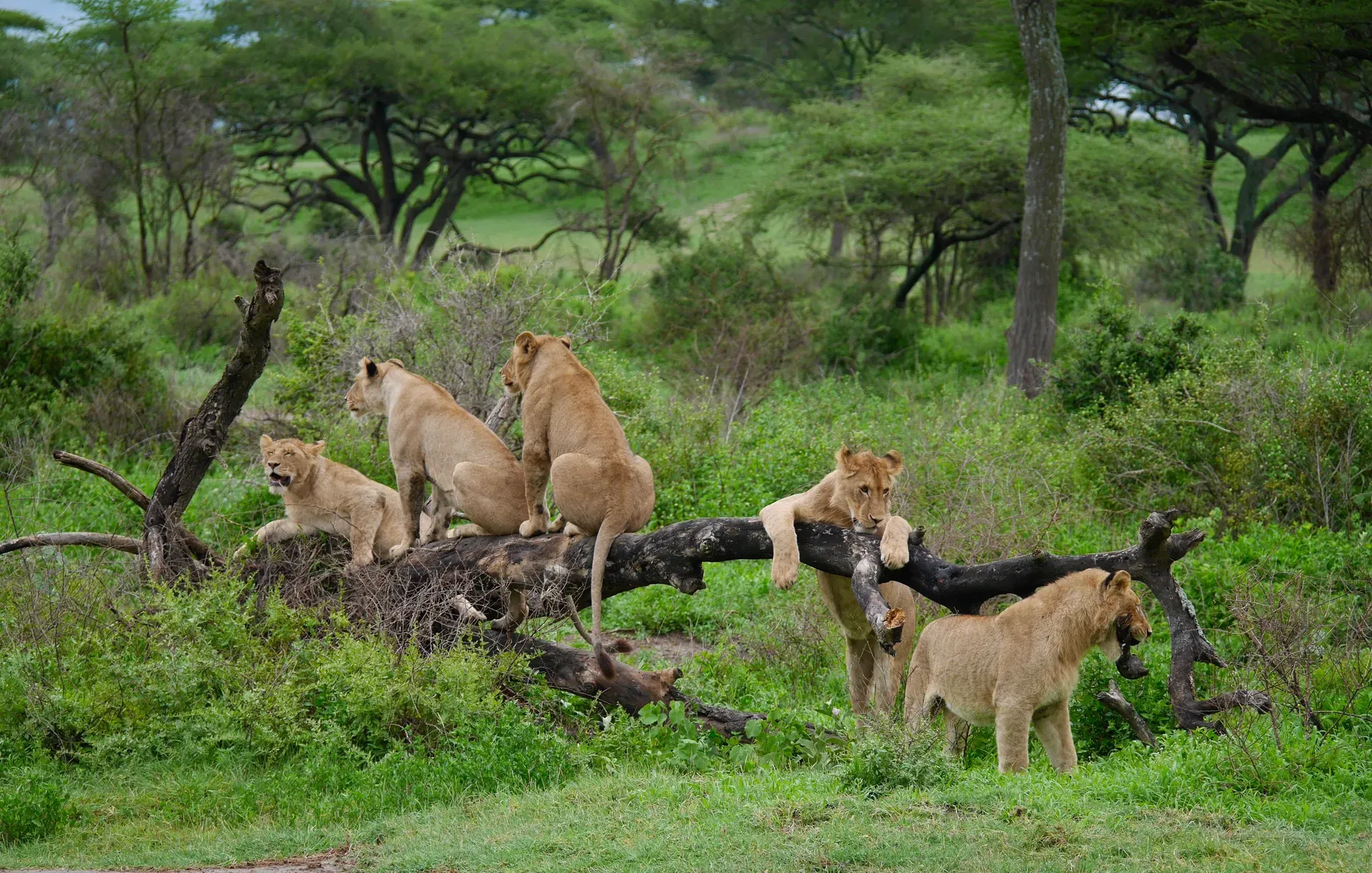
Experience the Great Migration and track the Big Five across the African plains on a Serengeti National Park safari. Choose from dawn hot-air balloon flights to multi-day 4x4 camping and lodge circuits.
 Free Cancellation
 Fly over Serengeti wildlife in a hot-air balloon at sunrise with an operator in business for 30 years.

Track the Great Migration across the Serengeti and see black rhinos in the Ngorongoro Crater on a private safari.
 Free Cancellation
 Follow the annual wildebeest migration across the Serengeti on this 8-day mid-range Northern Circuit safari.
 Free Cancellation
 Track black rhinos in the Ngorongoro caldera and camp among the Serengeti's Big Five.
 Free Cancellation
 This four-day safari from Arusha covers Tarangire, the Serengeti, and Ngorongoro Crater to see the Big Five.
 Free Cancellation
 Track predators at sunrise on a route from Tarangire’s elephant herds to the Serengeti’s Big Five.
 Free Cancellation
 Five-day North Circuit safari for six people in a pop-up roof jeep with a private chef.
 Free Cancellation
 Track black rhinos in the Ngorongoro Crater and cross the Serengeti’s flat grasslands on this three-day tour.

See Tarangire's elephants, the Serengeti's plains, and Ngorongoro's Big Five from a 4x4 with lodge stays.
 Free Cancellation
 This 3-day camping circuit hits Serengeti's hippo pools and the Ngorongoro Crater floor before returning to Arusha.
Read what travelers share about their experience visiting Serengeti National Park — from practical tips to personal highlights.
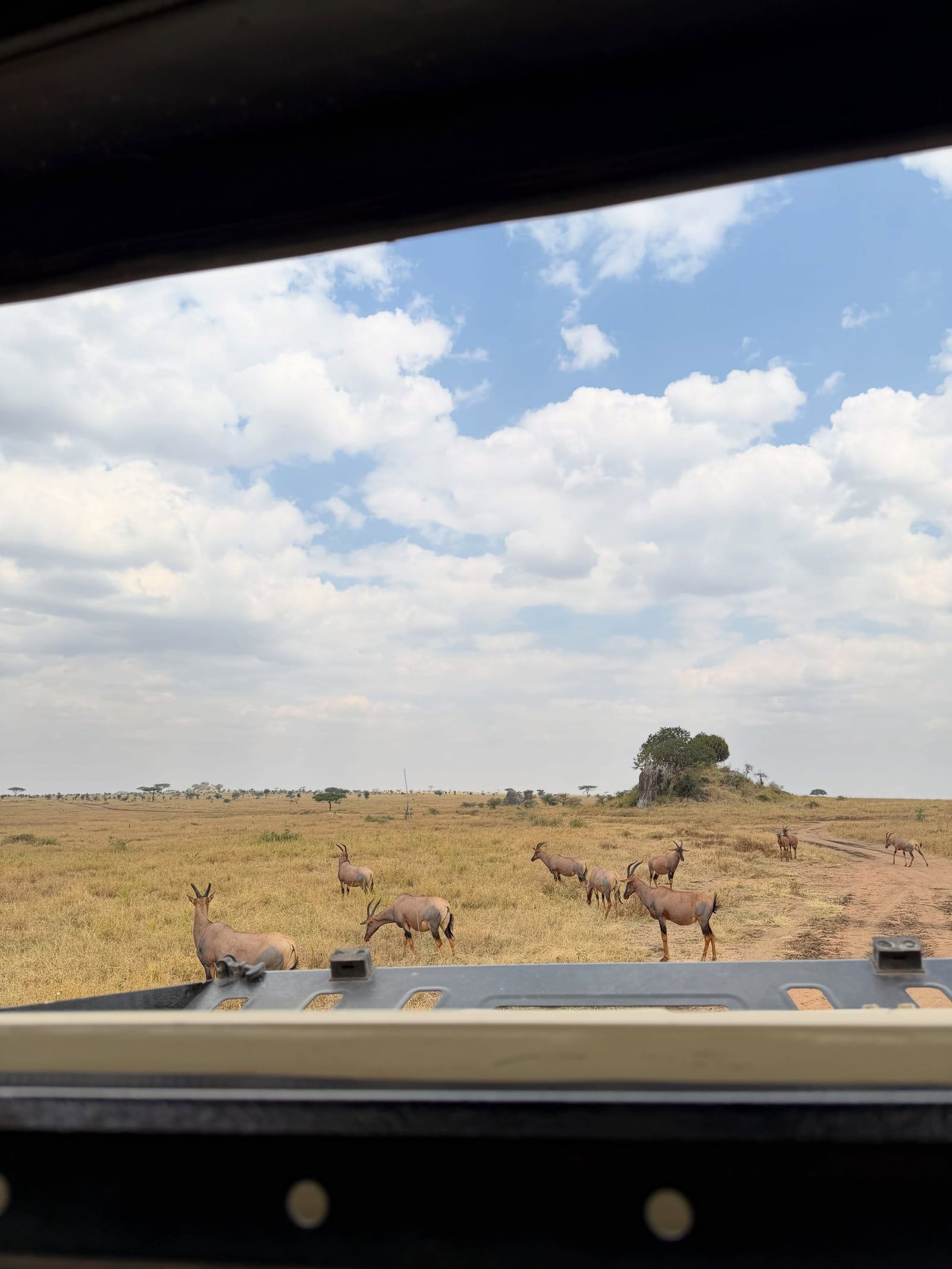
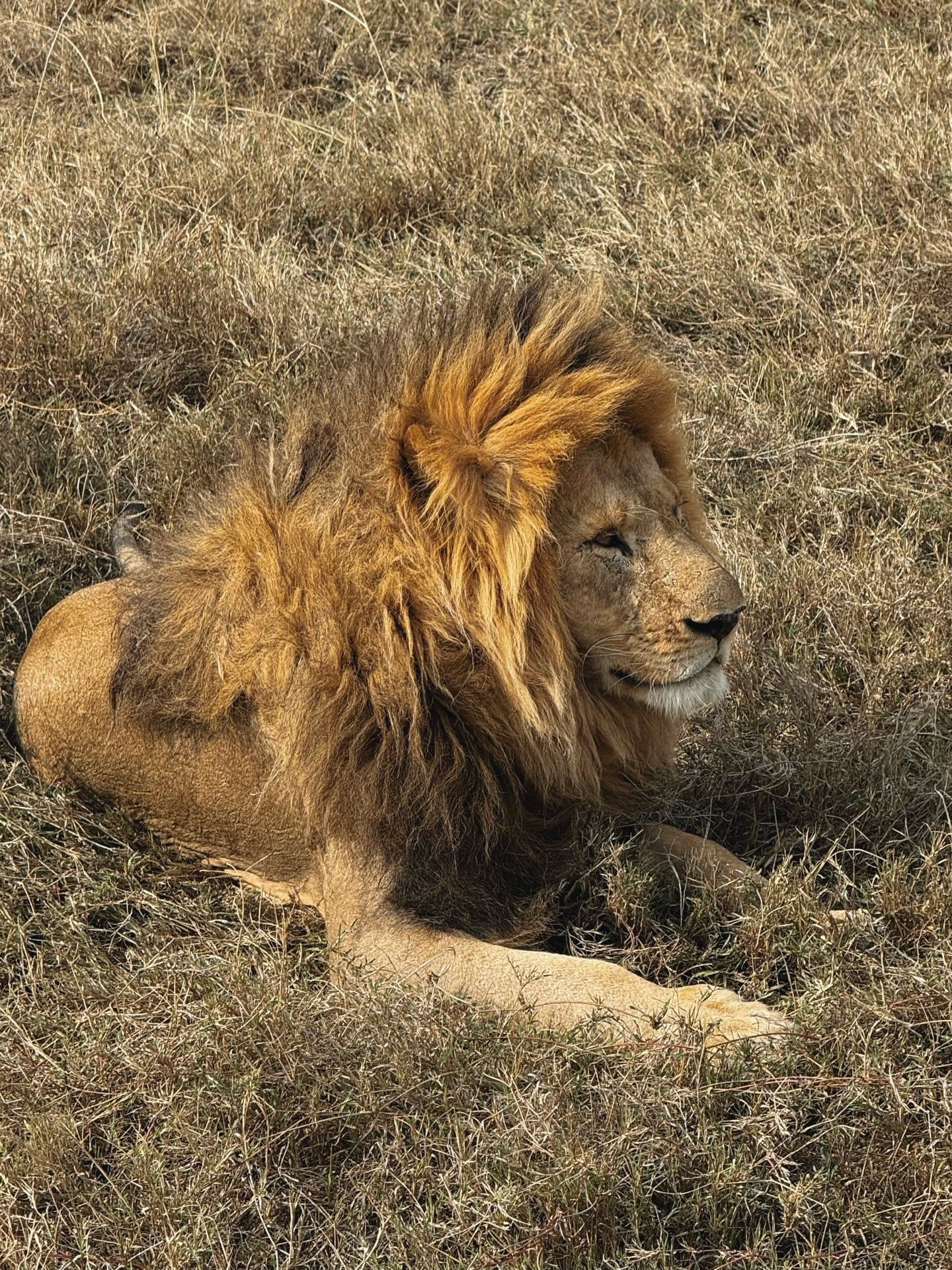
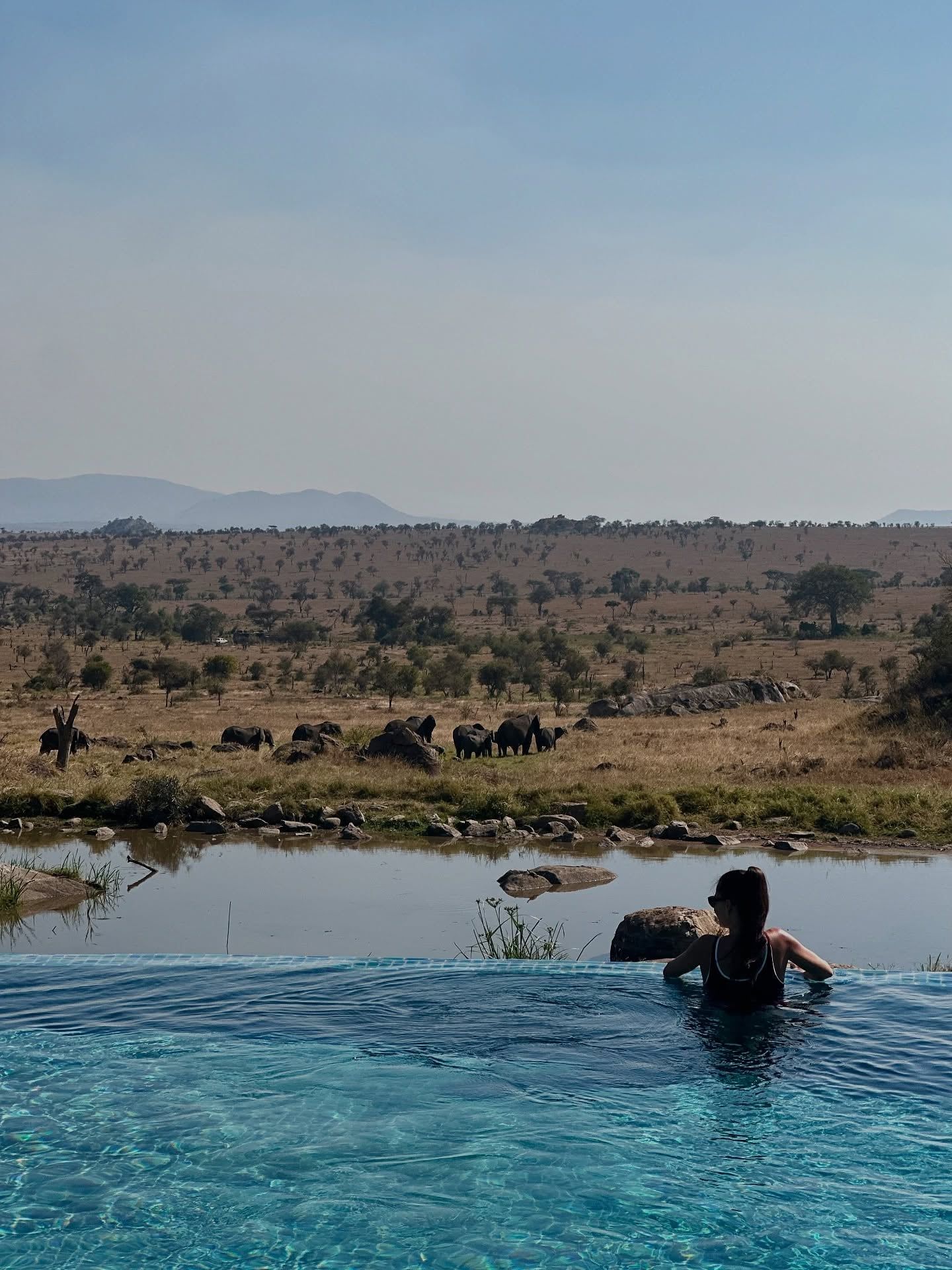
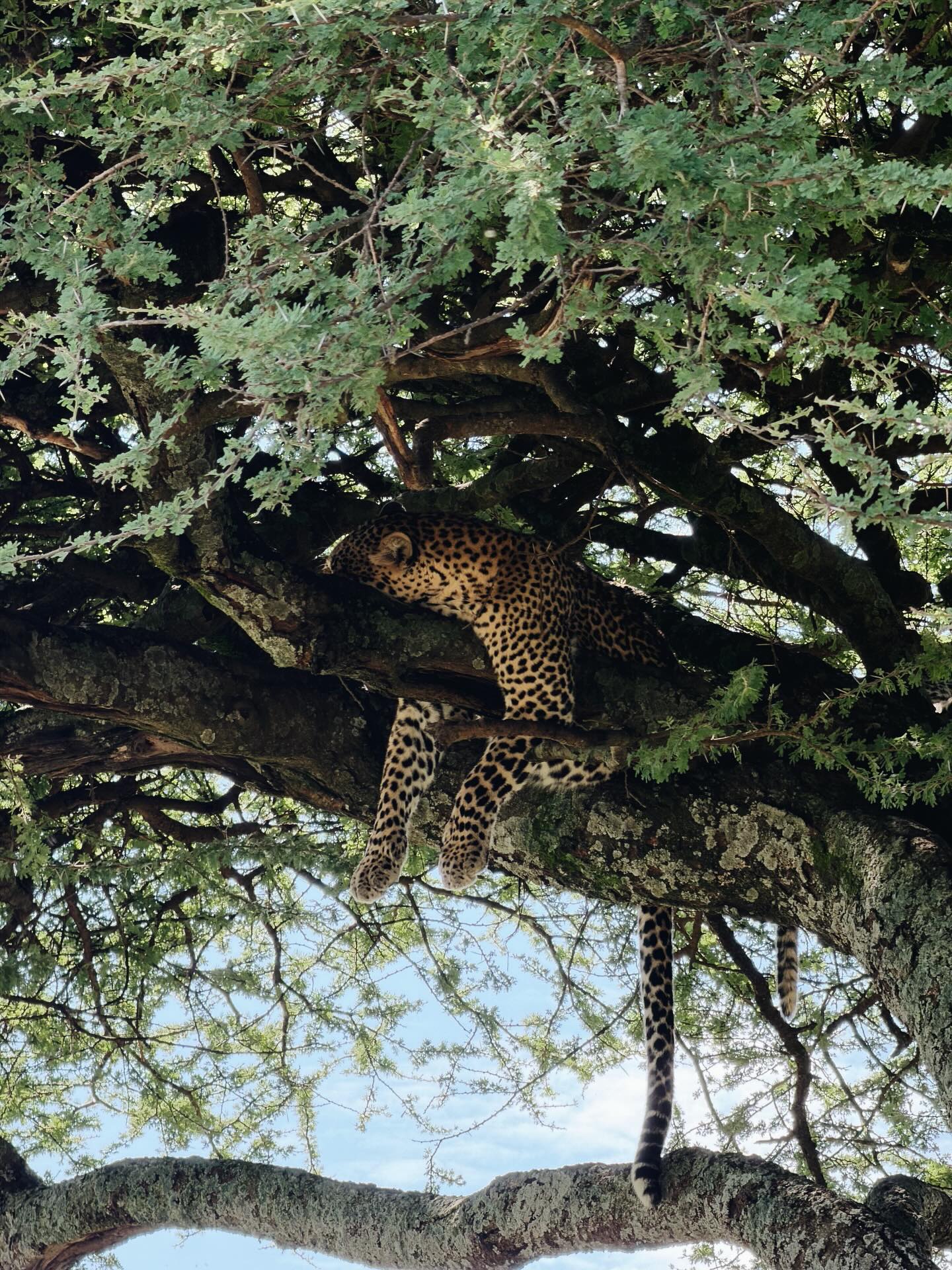
Serengeti National Park covers 14,750 square kilometers of savannah, woodland, and riverine forest in northern Tanzania. Safaris here focus on tracking the 2 million wildebeest, 900,000 gazelles, and 300,000 zebras that make up the Great Migration. You will spend hours driving over corrugated dirt tracks in 4x4 vehicles to find the 4,000 lions and 1,000 leopards that follow the herds.
Thousands of wildebeest plunge into crocodile-infested waters in the northern Kogatende area between July and October. The herds often hesitate on the banks for hours before a single animal triggers the chaotic crossing.
The central Serengeti provides the most reliable year-round wildlife viewing. Leopards regularly rest in the branches of sausage trees along the Seronera River while lion prides sleep on nearby granite outcrops.
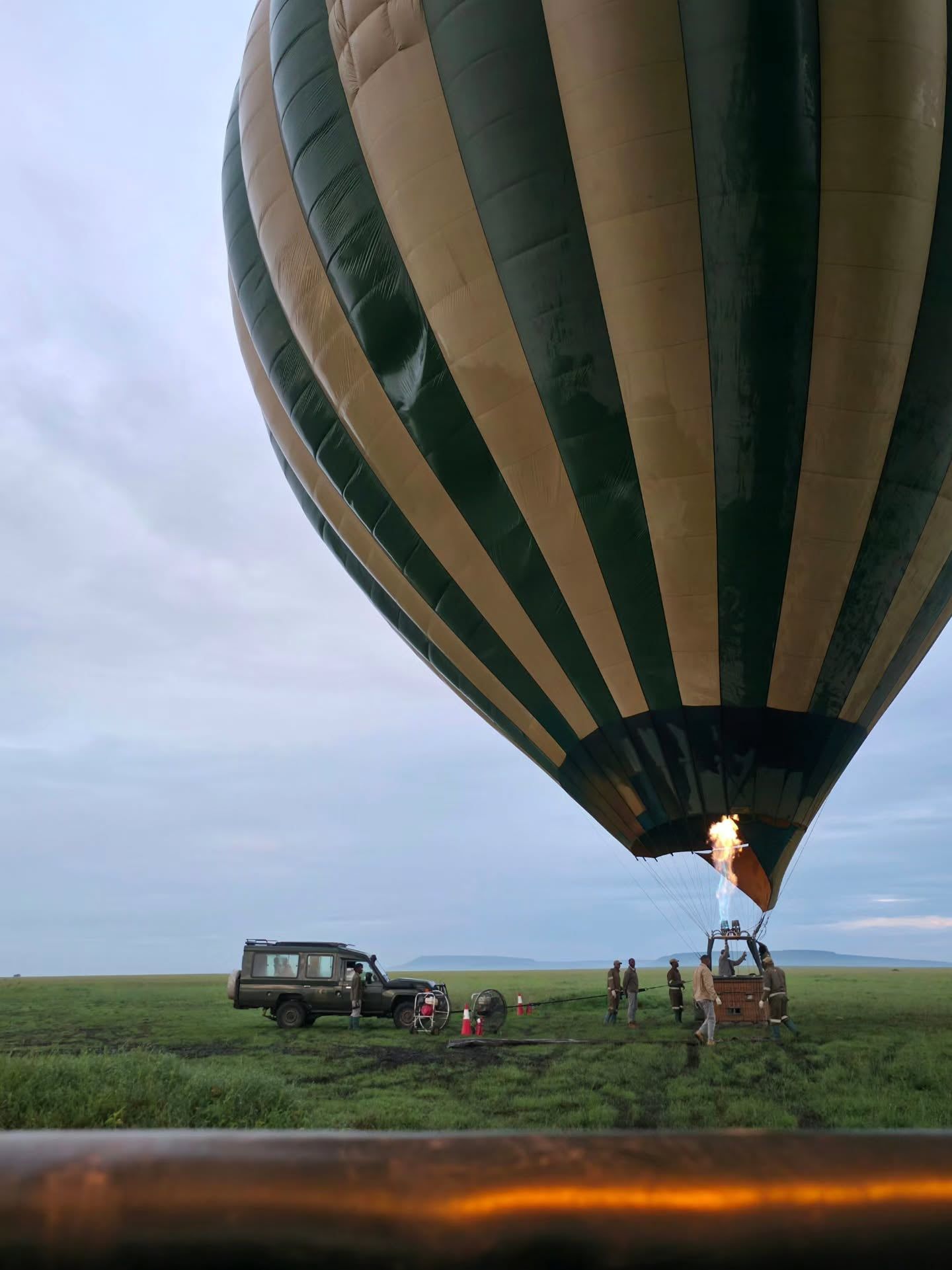
Balloons launch at dawn and drift over the plains at low altitudes for about an hour. The only sound is the wind and the periodic roar of the propane burners, followed by a bush breakfast upon landing.
Huge wildebeest herds gather around Ndutu and Naabi Hill to give birth from December to March. The dense concentration of vulnerable newborns draws intense hunting activity from lions, hyenas, and cheetahs.
Isolated granite and gneiss rock formations rise abruptly from the flat grasslands southeast of Seronera. These ancient geological structures offer shade and elevated vantage points for predator prides.
The migration passes through riverine forests along the Grumeti River during the early dry season in May and June. You will see colobus monkeys in the trees and Nile crocodiles waiting in the water.
Safaris require advance planning because lodges book up 12 to 18 months ahead for the peak June-to-October dry season. Most tours depart from Arusha and involve long drives on unpaved roads or light aircraft flights directly to dirt airstrips.
Foreign adults pay USD 83 per 24 hours for park entry, plus an 18% VAT. Most multi-day guided tours bundle this fee into the total price, but self-drivers must pay at the gate using a credit card or cash.
Standard Serengeti itineraries run 2 to 4 days. Comprehensive Northern Circuit tours covering Tarangire, Ngorongoro, and the Serengeti typically take 6 to 8 days. A three-day trip from Arusha involves roughly 14 hours of total transit time.
Options range from public campsites requiring you to pitch your own tent to luxury permanent lodges. Mid-range tours usually utilize heavy canvas tented camps with en-suite bathrooms and actual beds. Overnight stays inside the park incur a USD 60 concession fee per adult.
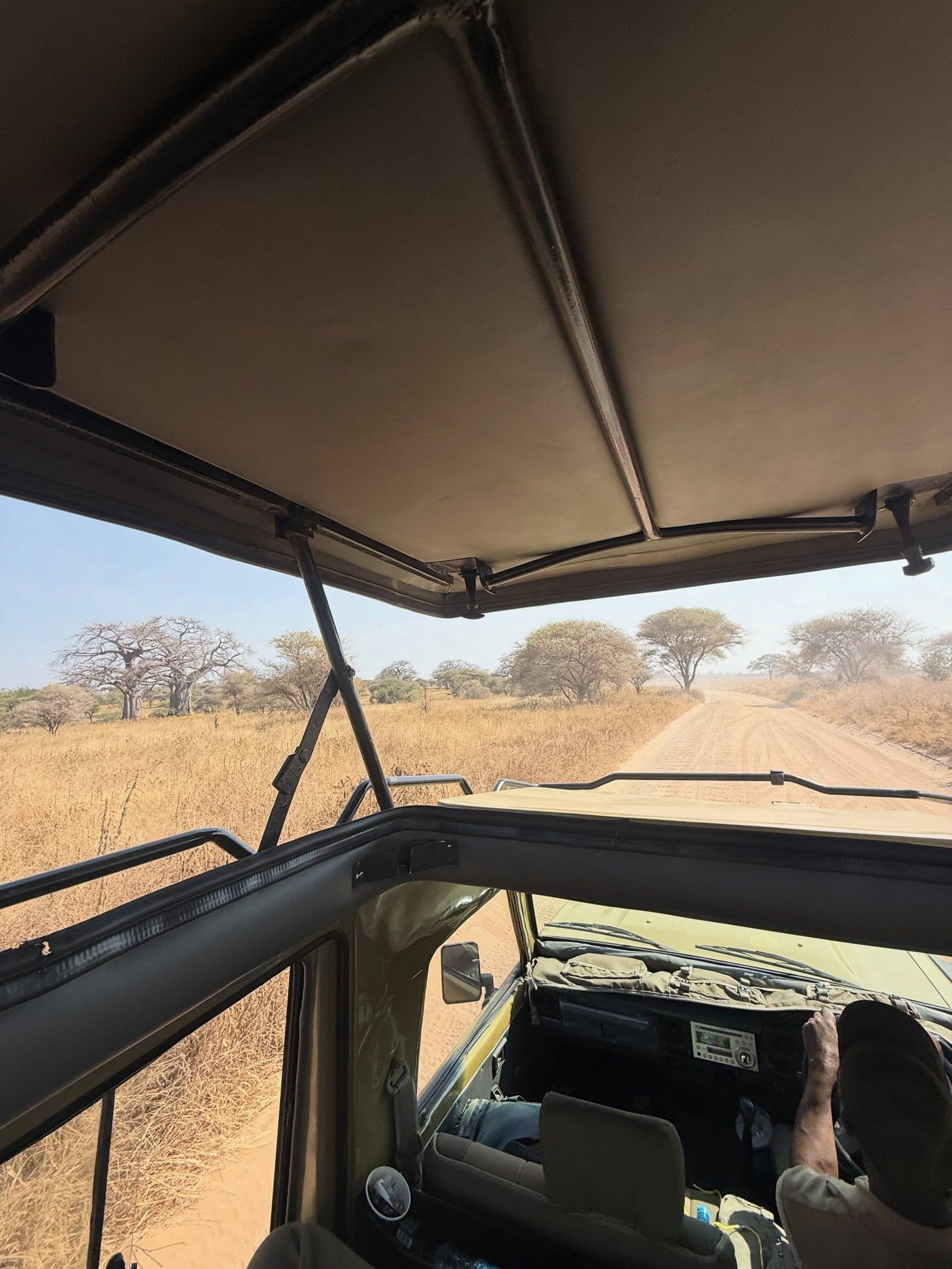
Guided safaris use custom 4x4 Land Cruisers with pop-up roofs for 360-degree viewing. The tracks are heavily corrugated and dusty in the dry season. Expect a bumpy ride that can aggravate back problems.
Almost all road-based Serengeti tours pass through the Ngorongoro Conservation Area. This 600-meter-deep volcanic caldera holds a dense concentration of black rhinos. You have to pay separate transit fees to cross this corridor.
Driving from Arusha to the central Seronera region takes up to 8 hours. Scheduled light-aircraft flights cut the journey to roughly 90 minutes. Flights cost significantly more but save a full day of travel.
The Serengeti is a malaria zone. You need prescription anti-malarial medication and long sleeves to defend against painful tsetse fly bites. Dark blue and black clothing attracts the flies, so pack neutral earth tones.
Many operators offer a full refund if canceled 24 hours before departure, especially for shorter trips or balloon flights. Multi-day lodge safaris often require 6 days' notice for a full refund, dropping to 50% for 2-6 days' notice.
Swipe to see more
| 3-Day Camping Safari | 6-Day Northern Circuit Lodge Safari | Sunrise Balloon Safari | |
|---|---|---|---|
| Duration | 3 days / 2 nights | 6 days / 5 nights | 5 hours (1-hour flight) |
| Accommodation | Basic public campsites (tents and sleeping mats) | Mid-range lodges or permanent tented camps | None (pickup from local lodges) |
| Transport | 4x4 Land Cruiser from Arusha (approx. 7 hours each way) | Private 4x4 vehicle covering Tarangire, Serengeti, and Ngorongoro | Hot-air balloon and transfer vehicle |
| Price Range | $800 - $1,200 | $2,200 - $4,200 | $599 |
Swipe to see more
The main access gates—Naabi Hill, Ndabaka, Klein's, Bolongoja, Fort Ikoma, and Handajega—open daily at 06:00 and close at 18:00.
Driving inside the park is strictly prohibited outside these hours. Gate rangers advise arriving no later than 15:00 so you can reach your lodge or campsite before dark.
Most visitors drive from Arusha, a 225 km journey taking about 6 hours to the nearest gate, or up to 8 hours to central Seronera. The route usually passes through the Ngorongoro Conservation Area via Naabi Hill Gate.
Alternatively, light aircraft fly from Arusha Airport (ARK) or Kilimanjaro (JRO) to various dirt airstrips inside the park in 70 to 160 minutes. Flights may make up to three stops en route to drop off passengers at different lodges.
Visitors coming from Lake Victoria can enter through the western Ndabaka Gate, about 150 km from Mwanza.
Late June to October is the dry season and the most reliable window for general wildlife viewing. The Great Migration herds typically cross the Mara River in the north during these months. Daytime temperatures stay comfortable between 15 and 27 degrees Celsius.
Go between December and March to see the wildebeest calving season on the southern short-grass plains near Ndutu.
Skip March to May if you want to avoid the heaviest rains and muddy, impassable roads. Wildlife visibility drops during this green season, though prices are at their lowest.
The park's terrain consists entirely of rough, unpaved dirt tracks. There are no paved paths. A limited number of lodges provide wheelchair-friendly rooms and adapted safari vehicles.
Travelers with mobility concerns should book road-based Northern Circuit tours to avoid light-aircraft transfers, which require climbing steep steps.
Game drives involve hours of bumpy driving that can be exhausting for those with back or spinal injuries. Discuss fly-in options to airstrips near your lodge to reduce long-distance road travel.
Lodges and permanent camps offer full dining, bars, and sometimes swimming pools. Public campsites provide basic shared washrooms and cooking areas.
There are no general stores or pharmacies inside the park boundaries. You must bring all necessary medications, batteries, and specialized gear with you from Arusha or Mwanza.
Cell service is unreliable outside of major lodge areas and the central Seronera headquarters.
Foreign adults pay USD 83 per 24 hours (2026 rates), plus 18% VAT. Children aged 5-15 pay USD 24, and those under 5 enter free. Overnight stays require an extra USD 60 concession fee per adult.
The herds typically cross the Mara River in the northern Kogatende area between July and October. The exact timing depends on the rains, so the migration shifts slightly every year.
No. Drones are strictly prohibited anywhere inside the park under TANAPA regulations. This applies even if you hold a Tanzania Civil Aviation Authority permit.
The drive to the nearest gates takes about 6 hours and covers roughly 225 kilometers. Reaching the central Seronera area can take up to 8 hours depending on road conditions and traffic.
At roughly USD 600 per person, balloon flights are expensive but offer the only legal way to view the herds from the air. The price usually includes a USD 50 landing fee and a bush breakfast upon landing.
Wear neutral earth tones like khaki, olive, or brown. Avoid black and dark blue clothing, which attracts painful tsetse flies, especially near riverine woodlands. Long sleeves and pants are necessary for sun and insect protection.
Yes. The park is a malaria-risk zone. You should take prescription anti-malarial medication like malarone or doxycycline and use strong insect repellent, particularly after the wet seasons.
Yes, TANAPA allows self-driving without advance booking. You pay the entrance fees at the gate with a credit card or cash. You will need a robust 4x4 vehicle to handle the heavily corrugated dry-season roads and wet-season mud.
The main gates open at 06:00 and close at 18:00. You cannot drive inside the park outside of these hours, and rangers advise arriving at gates by 15:00 to reach your lodge before dark.
Yes, children under 5 enter the park for free. However, game drives require passengers to sit quietly for hours. The central Seronera area is best for families because the drive times between camps and wildlife sightings are shorter.
Browse verified tours with free cancellation and instant confirmation.
Find Tours


Hot-air balloons launch at dawn from several sites within Serengeti National Park. Flights usually last an hour, drifting over the grass at low altitudes to spot giraffes or elephants. It's quiet. Aside from the periodic roar of the propane burners, you only hear the wind. Serengeti Balloon Safaris has operated here for 30 years. Pick-ups from local lodges start around 5:00 AM for the drive to the launch field. It's cold in the basket until the sun is up. Wear layers. That's the best way to see the park without the engine noise of a safari truck.
For a full refund, cancel at least 24 hours before the scheduled departure time.
Portuguese, English, French, Spanish


14,000 square kilometers of Serengeti grassland is where you'll track lions and the Great Migration. The herds move based on the rains. You'll likely see them in the central Seronera region or the northern hills. From there, the route drops into the Ngorongoro Crater, a 600-meter deep volcanic caldera. Roughly 25,000 animals live on the crater floor year-round. It's the most reliable spot for black rhino sightings. A private 4x4 with a pop-up roof is your base, driven by a local guide who tracks animal movements via radio. Dust is a constant on the corrugated dirt roads between parks. Bring a neck gaiter. You'll need to be at the park gates by 6:00 AM to catch lions while they're still active. Midday is for napping. If you're sensitive to crowds, skip the crater floor during the July peak and head to the Serengeti's quieter western corridor instead.
If you cancel at least 6 full day(s) before the scheduled departure time, you will receive a full refund.<br>If you cancel between 2 and 6 day(s) before the scheduled departure time, you will receive a 50% refund.<br>If you cancel within 2 day(s) of the scheduled departure, you will receive a 0% refund.
German, English, Italian, French, mnp, Spanish


This 8-day mid-range safari loops through the Northern Circuit's volcanic highlands and the Serengeti's open plains. You'll stay in lodges or permanent tented camps rather than basic campsites. It's the standard route for seeing the big herds without the luxury price tag. The itinerary centers on the annual wildebeest migration. Roughly 1.5 million wildebeest and 200,000 zebras move clockwise through the ecosystem following the seasonal rains. Because the herds are always moving, your guide will adjust the daily drive based on recent sightings. You'll hear the constant low grunting of the herds long before you see them. Dust is the main drawback on these unpaved roads—pack a buff or a light scarf to cover your face. If you want to see the Mara River crossings, schedule your trip for July or August. It's a lot of sitting.
For a full refund, cancel at least 24 hours before the scheduled departure time.
German, English, Italian, French, Spanish


The Ngorongoro Crater is a 600-meter deep caldera where you'll find Africa's densest concentration of large mammals. You'll see black rhinos here, as the steep walls keep the population contained. It's a small space. Because of that, the main tracks get crowded with Land Cruisers by mid-morning. Get to the gate at dawn to see the predators before they head for the shade. Camping in the Serengeti means sleeping in thin-walled tents while lions and hyenas move through the grass nearby. There are no fences. You'll hear the savanna clearly—mostly the constant wind and the low grunts of wildebeest. It's a gritty experience. Dust gets into your clothes and your gear within the first hour of the drive. Pack a high-quality headlamp for the walk to the shared bathroom blocks at night.
For a full refund, cancel at least 24 hours before the scheduled departure time.
Swedish, English, Italian, French, Spanish


This four-day loop from Arusha covers Tarangire, the Serengeti, and the Ngorongoro Crater. You'll track the Big Five across the Northern Circuit's most distinct ecosystems. It's a fast-paced itinerary. Most of the 600-kilometer journey happens on unpaved roads, so expect dust and a fair amount of vibration from the bumpy terrain. Tarangire is the first stop, where herds of up to 300 elephants congregate around the river. From there, the drive to the Serengeti takes about five hours, passing through the Ngorongoro Highlands. You'll spend the nights in tented camps or lodges, hearing hyenas call after dark. The final morning is spent on the 600-meter-deep crater floor. It’s the best place to find black rhinos, though you’ll be sharing the view with dozens of other vehicles. Pack a warm jacket for the crater rim; temperatures often drop below 10°C at night.
For a full refund, cancel at least 24 hours before the scheduled departure time.


Sunrise drives in Tarangire National Park target lions and leopards before the morning heat sets in. You'll find elephants in groups of 200 or more near the riverbanks, especially during the dry season. Baobab trees dominate the terrain, providing shade for predators by mid-morning. It's a dusty start. Bring a lens cloth because the fine silt gets into everything. The trip moves to the Serengeti to track the Big Five across the open plains. Most leopard sightings occur in the acacia trees lining the Seronera River valley, while lions prefer the shade of granite kopjes. It's a lot of sitting. Be prepared for six-hour stretches in the vehicle during transit days. For the best chance at seeing a rhino, ask the driver to head toward the Moru Kopjes area early in the day.
For a full refund, cancel at least 24 hours before the scheduled departure time.
English


This five-day safari covers Tarangire, the Serengeti, and Ngorongoro Crater in a custom six-passenger jeep. You'll travel with a driver and a private chef. Tarangire is the first stop. It’s dense with elephants and baobab trees. You then spend two days in the Serengeti tracking the migration of a million wildebeest and 250,000 zebras. The drive there is a slog (bring a scarf for the dust). Expect corrugated roads that rattle the jeep for several hours. Ngorongoro Crater is the final park. The view from the rim looks down into a 260-square-kilometer caldera where animals are easy to spot against the flat floor. It's the best place to see rhinos quickly. On the sixth day, the tour moves to the Materuni Waterfalls and Kikuletwa hot springs. The hike to the falls is steep and slippery when wet, so wear boots. Kikuletwa's water is lukewarm and full of small fish that nibble your skin. It's a strange sensation. But the water is clear enough to see the bottom.
For a full refund, cancel at least 24 hours before the scheduled departure time.
English


This three-day safari is a circuit through two UNESCO World Heritage sites: the Serengeti’s central plains and the Ngorongoro Crater floor. The Serengeti section covers the Seronera region, where the plains run to the horizon without obstruction—the 'endless land' of the Maasai. It's dusty and involves a lot of driving. Lions often perch on the granite kopjes that break up the flat terrain. Dust can jam camera lenses, so keep your gear in a sealed bag between sightings. The final day focuses on the Ngorongoro Crater, a 260-square-kilometer caldera home to roughly 30,000 animals. Black rhinoceros are the main draw here, typically found near the edges of the Lerai Forest. The descent road is steep. If you're prone to motion sickness, sit in the middle of the vehicle for this part. Aim to enter the crater by 6:00 AM to see the animals before the midday heat and the arrival of most tour vehicles.
For a full refund, cancel at least 24 hours before the scheduled departure time.
English, French, Spanish


This route covers Tarangire, the Serengeti, and the Ngorongoro Crater using 4x4 safari jeeps. You'll see Tarangire's elephant herds first before moving into the Serengeti's open plains. The Big Five—lion, leopard, rhino, elephant, and buffalo—live inside the 600-meter-deep Ngorongoro Crater. It's a lot of driving. Bring a dust scarf for the corrugated roads. Nights are spent in mid-range and semi-luxury lodges. All meals are included, though lunch is usually a cold hamper eaten at a picnic site to keep you in the field longer. If you're prone to motion sickness, the descent into the crater is rough. Sit near the front of the vehicle.
If you cancel at least 6 full day(s) before the scheduled departure time, you will receive a full refund.<br>If you cancel between 2 and 6 day(s) before the scheduled departure time, you will receive a 50% refund.<br>If you cancel within 2 day(s) of the scheduled departure, you will receive a 0% refund.
German, English, Italian, French, Spanish


This three-day camping circuit leaves Arusha for the Serengeti and Ngorongoro Crater. You'll spend the first day tracking wildlife across the Serengeti plains, specifically around the hippo pools where dozens of animals crowd the muddy banks. It's a seven-hour drive from Arusha to the park gates. Expect dust. The vehicle is where you'll spend most of your daylight hours, so bring extra camera batteries and a scarf to cover your face. Day two focuses on the Ngorongoro Crater floor, a 600-meter descent into a self-contained ecosystem. This is your best chance to see black rhinos. You'll camp inside the conservation area that night. Temperatures on the crater rim often drop below 10°C once the sun goes down. Pack a heavy fleece or a down jacket. It's colder than most people expect. The trip ends with a drive back to Arusha on day three. You'll arrive back in town by late afternoon, usually around 4:00 PM. Don't book an international flight for the same evening. Give yourself a night in a real bed first.
For a full refund, cancel at least 24 hours before the scheduled departure time.