About All ToursSafari ToursMigration ToursLuxury ToursNgorongoro Safari ToursBalloon ToursPrivate Tours Directions Hours & Fees Guides
Find Tours 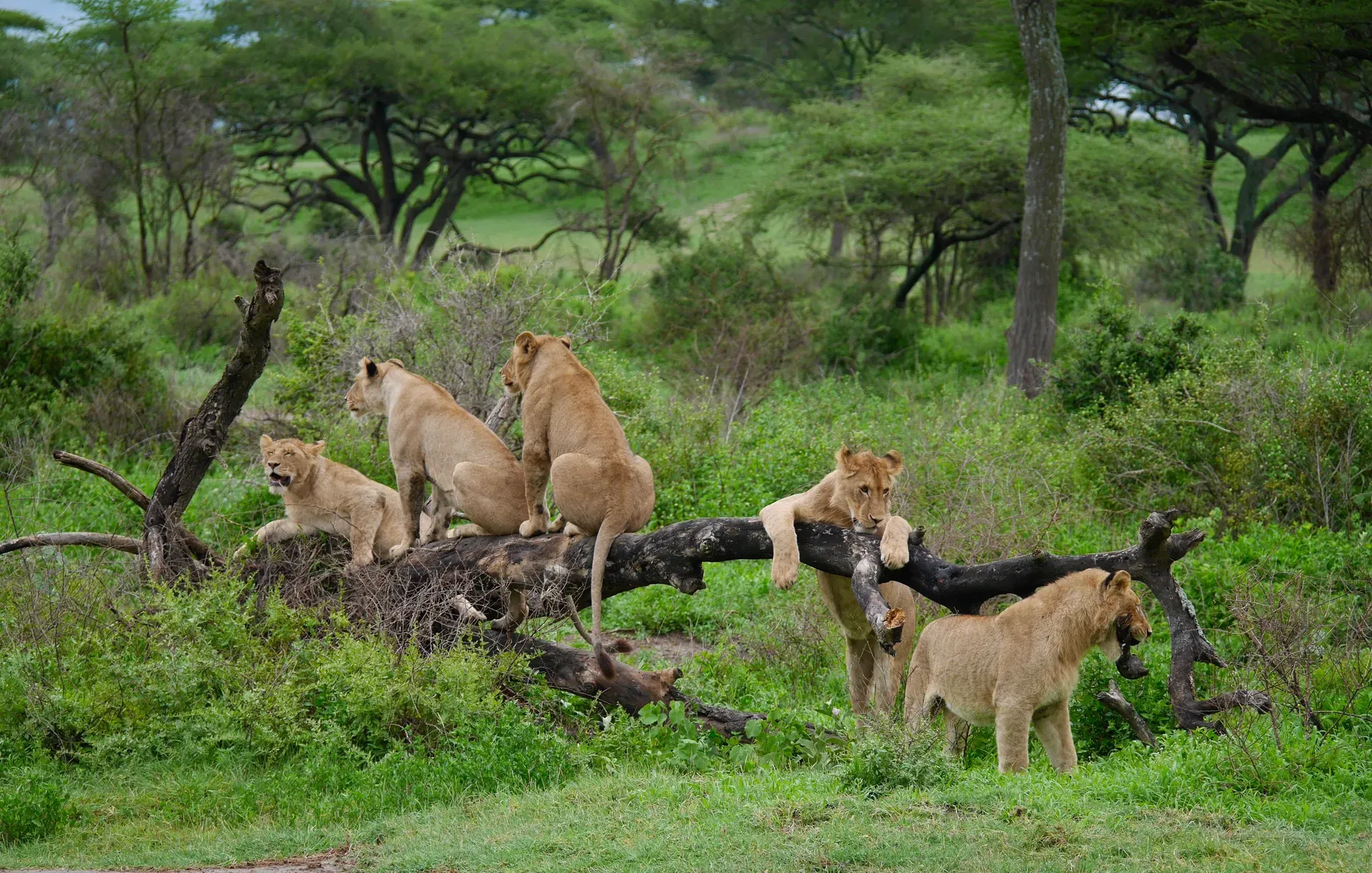
Explore the African plains with safari experiences that cater to a higher standard of comfort, featuring options like private 4x4s equipped with Wi-Fi and direct fly-in bush flights. While these are general Serengeti safaris, travelers seeking luxury can elevate their trip with hot air balloon rides, authentic bush breakfasts, and premium lodge stays.
 Free Cancellation
 Drift over Serengeti wildlife at sunrise on a flight operated by Serengeti Balloon Safaris.

Track big cats in the Serengeti and black rhinos in the Ngorongoro Crater on this private, guided safari.
 Free Cancellation
 Track the annual wildebeest and zebra migration across the Serengeti on this eight-day Northern Circuit safari.
 Free Cancellation
 Track the Big Five through the Serengeti and camp on the rim of the Ngorongoro Crater to see rare black rhinos.
 Free Cancellation
 This two-day Serengeti safari from Mwanza includes a night in a premium tented camp and travel in a custom 4x4 truck.
 Free Cancellation
 Track the Big 5 through Tarangire, the Serengeti, and Ngorongoro Crater on this 4-day loop starting in Arusha.
 Free Cancellation
 Spot the Big Five on private 4x4 drives through the Serengeti and Ngorongoro with luxury lodge stays.
 Free Cancellation
 See the Big 5 in Tarangire, the Serengeti, and Ngorongoro on a four-day camping trip starting from Arusha.
 Free Cancellation
 This 3-day camping safari covers Serengeti National Park and the Ngorongoro Crater floor, starting from Arusha.
 Free Cancellation
 Fly from Zanzibar for a three-day safari through the Serengeti and Ngorongoro Crater with meals and flights included.
Read what travelers share about their experience visiting Serengeti National Park — from practical tips to personal highlights.
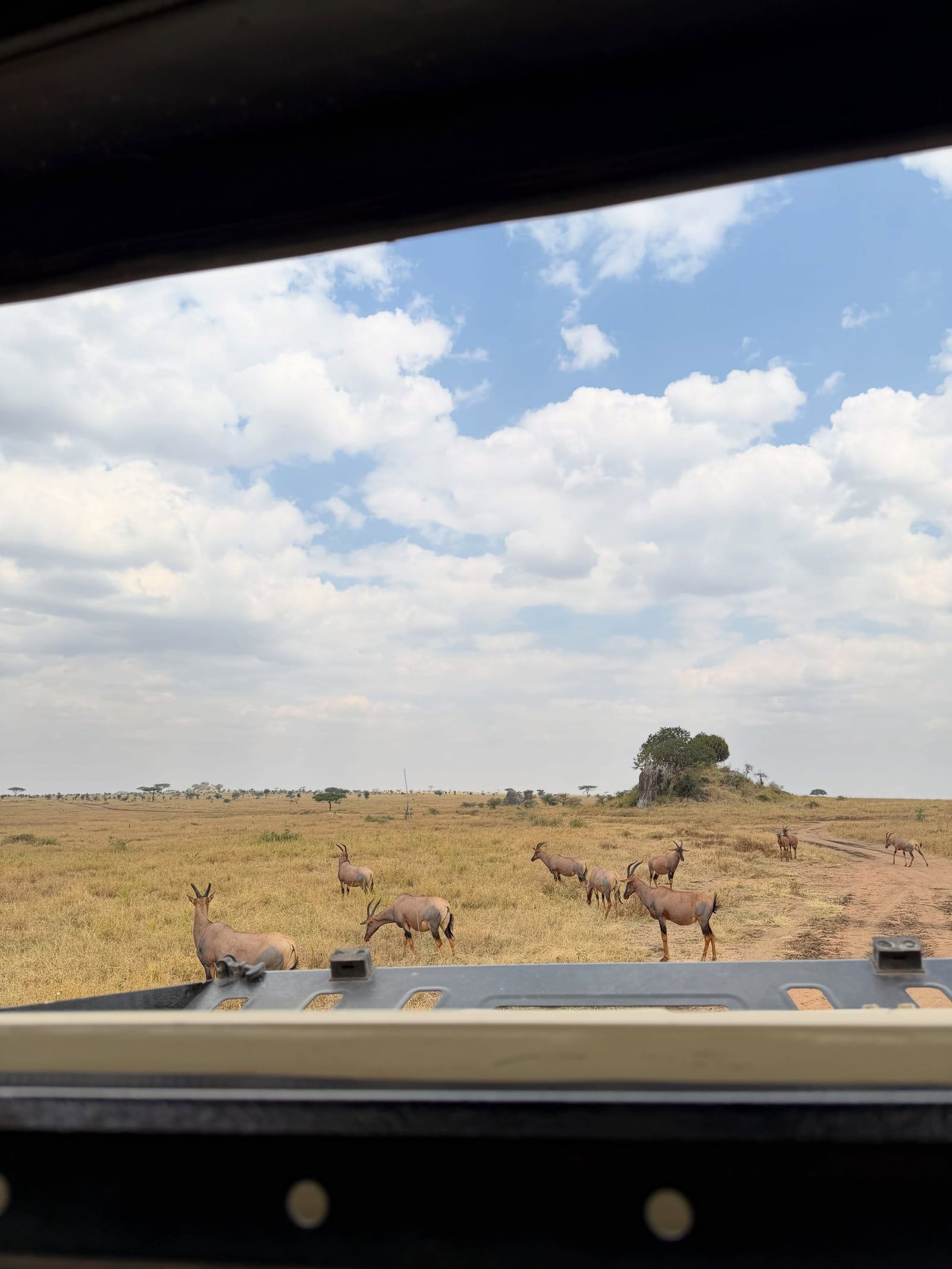
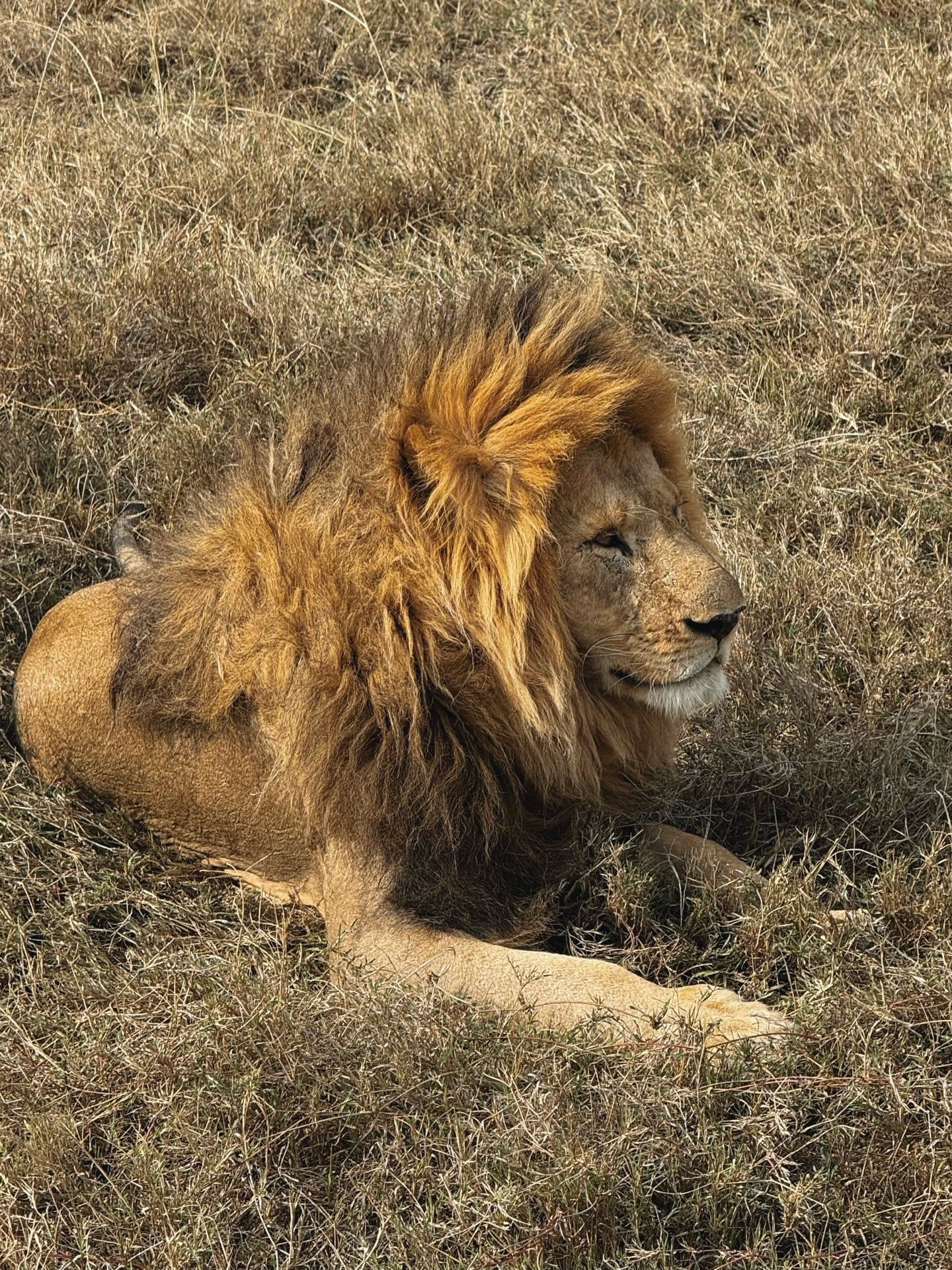
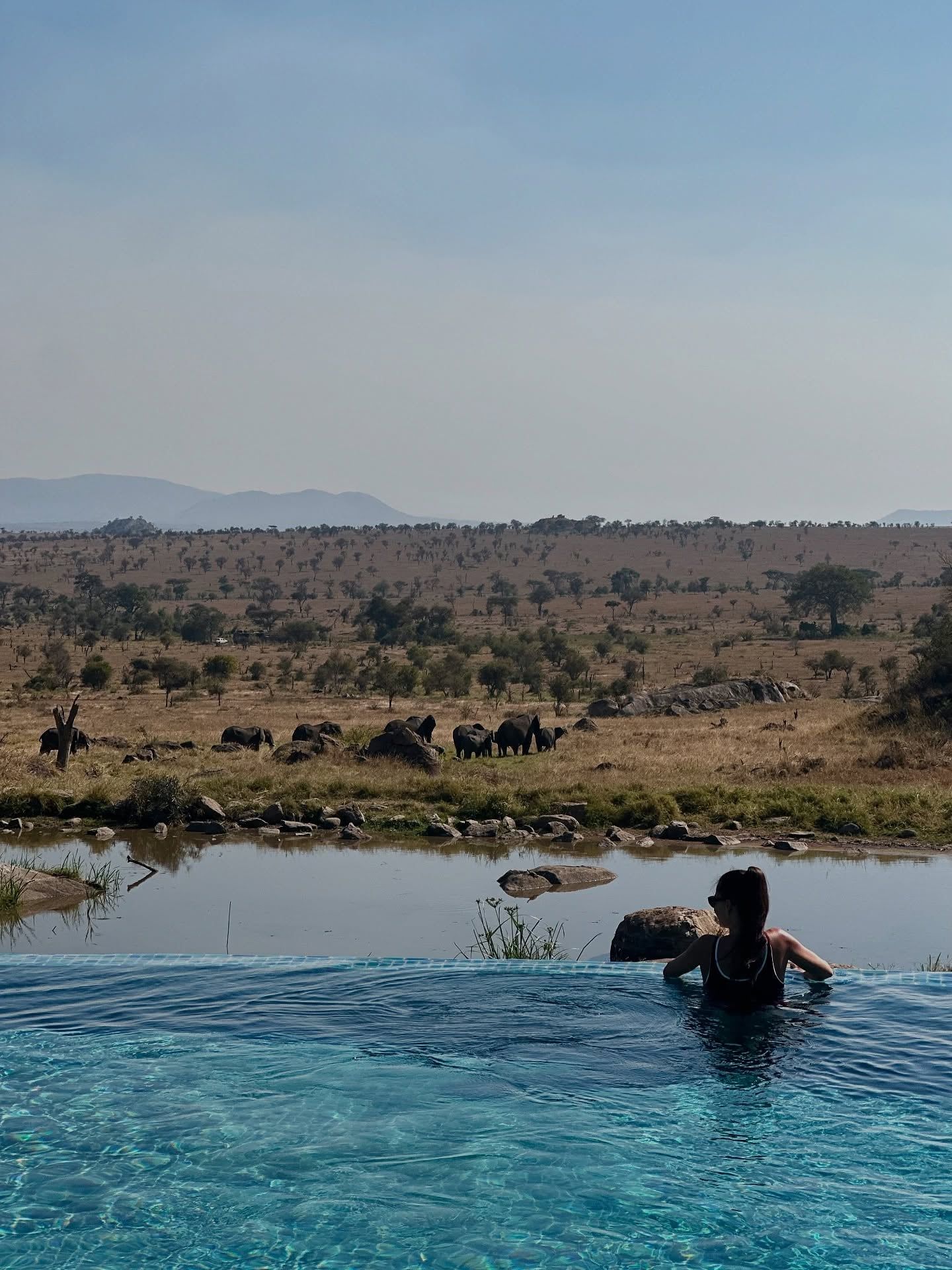
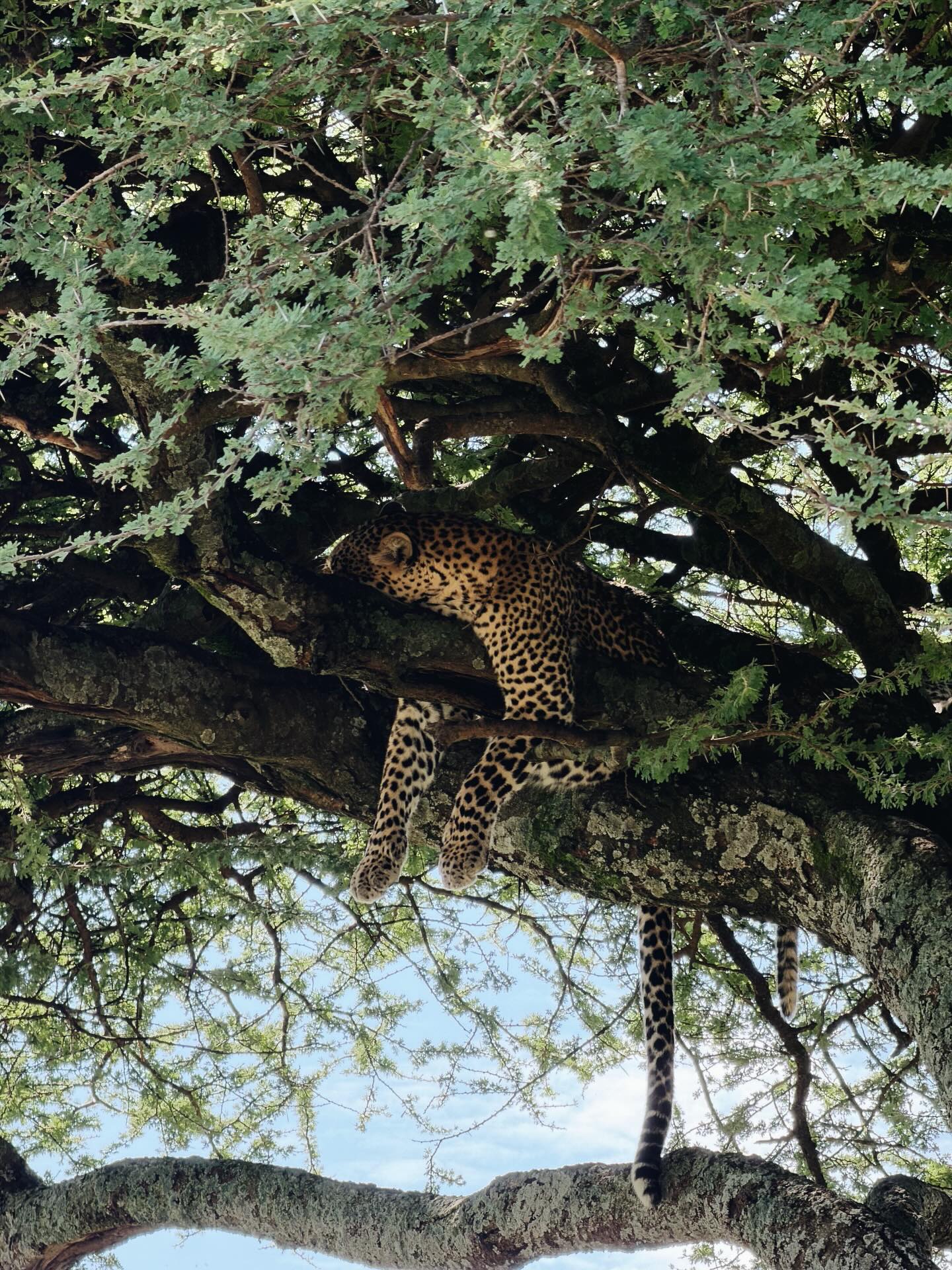
Serengeti National Park covers 14,750 square kilometers of open grassland, riverine forest, and rocky outcrops. Luxury tours here rely on custom 4x4 vehicles and experienced guides to track the movements of two million wildebeest and thousands of predators. You will spend long days on dusty, corrugated dirt tracks, but the payoff is direct access to the highest concentration of large mammals on the planet.
Thousands of wildebeest plunge into crocodile-filled waters in the northern Kogatende area between July and October. The herds build up on the banks for hours before making the chaotic crossing.
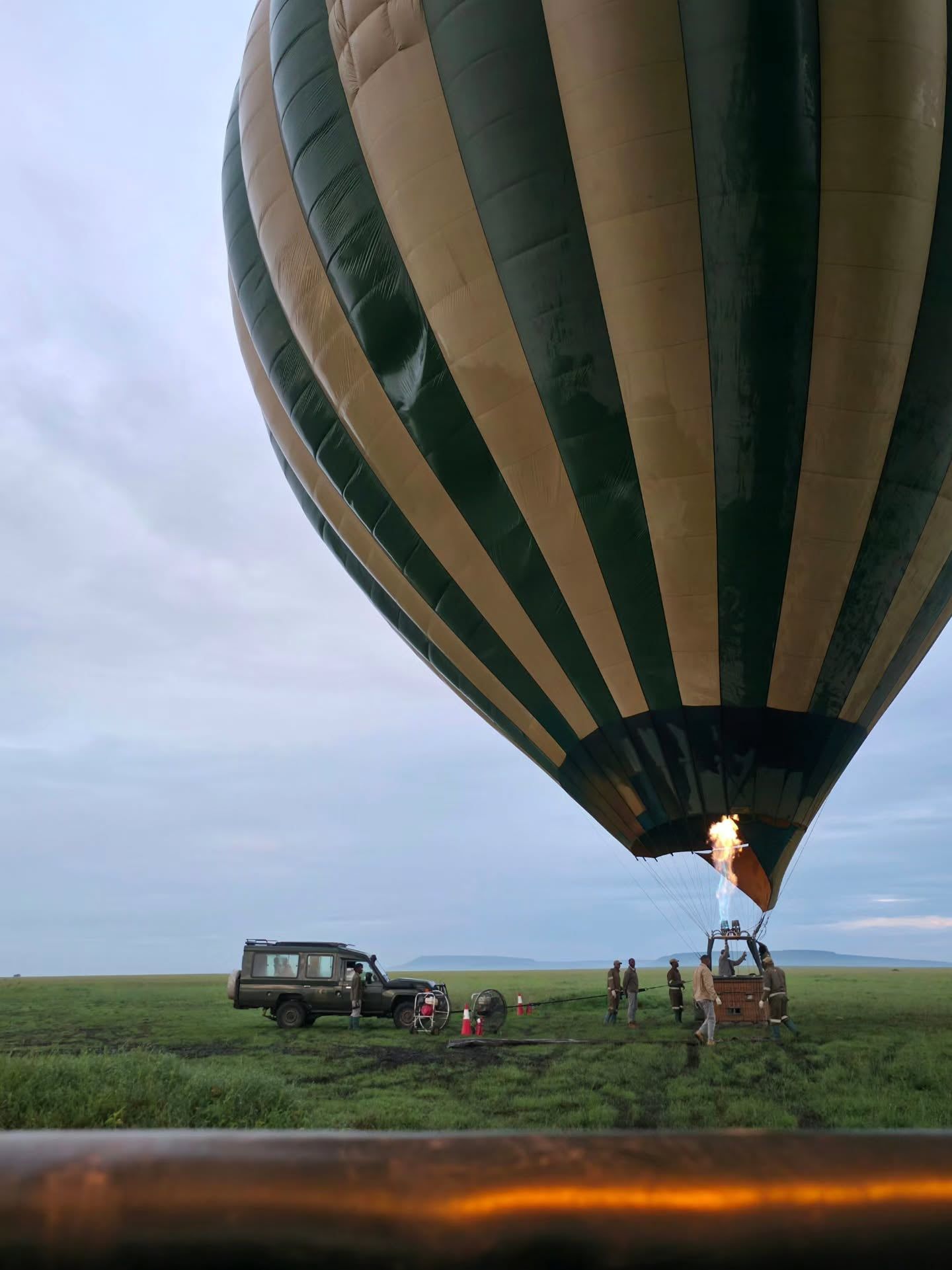
You leave camp at 5:00 AM for a cold, dark drive to the launch site. The balloons drift silently over the plains at low altitude before landing for a champagne bush breakfast.
Central Serengeti provides the most reliable year-round wildlife viewing. Leopards rest in the branches of sausage trees along the river, and lion prides use the granite Simba Kopjes as vantage points.
Many multi-day Serengeti itineraries include a stop at this collapsed volcanic caldera. The 600-meter descent brings you to a dense concentration of wildlife, including a small population of black rhinos.
Between December and March, the herds gather on the short-grass plains near Ndutu. The sudden drop of thousands of newborns draws high numbers of cheetahs and hyenas.
Booking a Serengeti safari requires planning around the seasonal migration and securing limited lodge space. Most luxury tours handle the complex logistics of park fees, internal flights, and vehicle permits.
Lodges and luxury camps sell out quickly. You need to book 8 to 12 months ahead for standard dates, and up to 18 months in advance for the peak June to October dry season.
Foreign adults pay USD 83 per 24 hours for park entry, plus a USD 60 concession fee for overnight stays. High-end tour packages usually include these taxes and levies in the upfront price, but always verify the inclusions list.
You can reach the park via a 6-to-8-hour drive from Arusha or a 90-minute light aircraft flight. Fly-in safaris save two days of transit time on bumpy roads and suit visitors arriving from Zanzibar or the coast.
Game drives involve hours of sitting in a 4x4 vehicle on rough, unpaved dirt tracks. Travelers with back issues should book fly-in tours to minimize road transit, though the daily game drives remain physically demanding.
Pack neutral, earth-toned clothing like khaki, olive, and brown. Dark blue and black fabrics attract biting tsetse flies, especially in the western woodland areas.
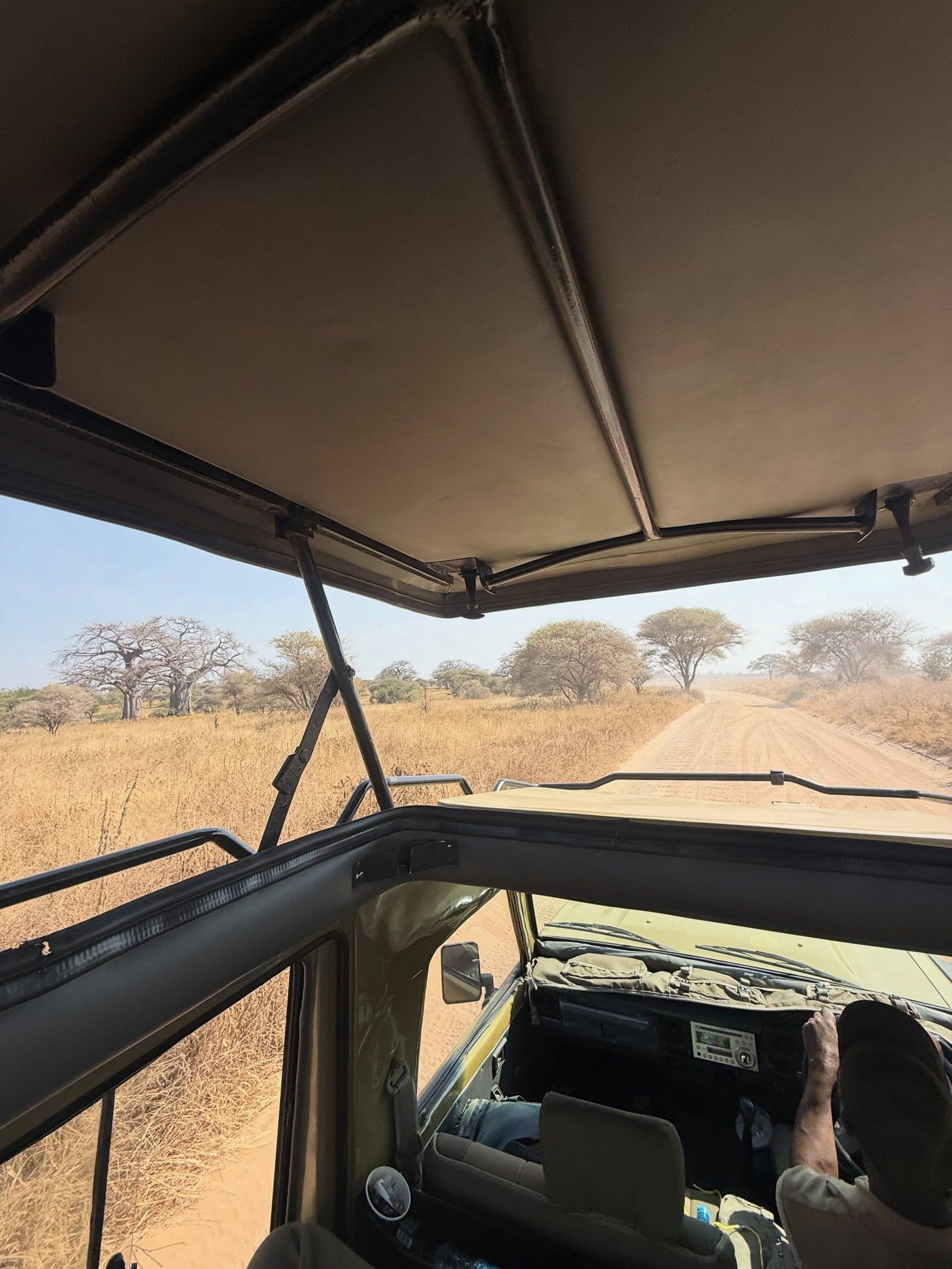
Luxury operators use customized Land Cruisers with pop-up roofs for 360-degree viewing. These trucks typically carry electric coolers for drinks, binoculars, and charging ports for phones and cameras.
The Serengeti is a malaria-risk zone. You should bring prescription anti-malarial medication and strong insect repellent, as mosquito activity spikes after the heavy rains in April and May.
Swipe to see more
| Fly-in Luxury Safari | Classic Northern Circuit | Migration Tracking Safari | Sunrise Balloon Safari | |
|---|---|---|---|---|
| Duration | 3 Days | 5 Days | 8 Days | 5 Hours |
| Best for | Island or coastal travelers | First-time visitors | Wildlife enthusiasts | Aerial photography |
| Transport | Light aircraft & 4x4 | Private 4x4 | Private 4x4 | Hot air balloon |
| Price from | $2,300 | $3,350 | $4,250 | $599 |
Swipe to see more
The main access gates (Naabi Hill, Ndabaka, Klein's, Bolongoja, Fort Ikoma, Handajega) open at 06:00 and close at 18:00 daily.
Driving inside the park is strictly prohibited outside these hours. Rangers enforce this rule to protect wildlife and visitors.
You should arrive at your entry gate no later than 15:00. This ensures you have enough daylight to navigate the dirt tracks and reach your lodge or camp before sunset.
The most common road route starts in Arusha and takes 6 to 8 hours, covering 225 kilometers to the nearest gates. Many travelers break up this drive with an overnight stop at Lake Manyara or the Ngorongoro Conservation Area.
Scheduled light-aircraft flights depart from Arusha Airport or Kilimanjaro International Airport. These flights take between 1 hour 10 minutes and 2 hours 40 minutes, landing directly at airstrips near the major lodges.
Visitors arriving from Lake Victoria can enter through the western Ndabaka Gate, a 150-kilometer drive from Mwanza that takes roughly 3 to 4 hours.
The dry season from late June to October provides the most comfortable weather and the best chance to see the Mara River crossings in the northern sector. Daytime temperatures range from 15 to 27 degrees Celsius.
December through March brings the calving season to the southern short-grass plains around Ndutu and Naabi Hill. This period draws dense concentrations of predators hunting vulnerable newborns.
March to May is the low season, marked by heavy rains and muddy roads. Wildlife visibility drops in some areas, but prices are lower and the park is mostly empty.
The park has no paved paths. The terrain consists entirely of rough, uneven dirt tracks.
A limited number of luxury lodges offer wheelchair-friendly rooms and adapted safari vehicles. You must book accessible accommodation and transport through a specialist operator well in advance.
Travelers using wheelchairs can navigate the Northern Circuit entirely by road. This avoids the physical challenges of boarding small light aircraft for park transfers.
Accommodation ranges from public campsites to high-end luxury lodges and mobile tented camps that follow the migration.
The park is unfenced, meaning wildlife frequently moves through camp areas. Lodges provide armed guards to escort guests between tents after dark.
Mobile network coverage is spotty. Most luxury vehicles and lodges have Wi-Fi setups. Safari trucks come equipped with electric fridges, binoculars, and charging ports for USB and three-pin plugs.
Foreign adults pay USD 83 per 24 hours for park entry, plus an 18% VAT. Staying overnight inside the park requires an additional USD 60 concession fee per adult. Most luxury tour operators bundle these costs into the final package price.
The herds cross the Mara River in the northern sector between July and October. The southern calving season happens near Naabi Hill and Ndutu from December to March. The exact timing shifts slightly each year based on rainfall.
All main gates open at 06:00 and close at 18:00. Driving inside the park after dark is illegal. Rangers advise arriving by 15:00 so you can reach your accommodation before sunset.
You can drive the 225-kilometer route, which takes 6 to 8 hours depending on road conditions and traffic through the Ngorongoro Conservation Area. Light aircraft flights are much faster, taking 70 to 160 minutes to reach the park's various airstrips.
Serengeti National Park covers 14,750 square kilometers. It connects to the Ngorongoro Conservation Area and Kenya's Maasai Mara, forming an intact 30,000-square-kilometer ecosystem.
No. The Tanzania National Parks Authority strictly prohibits all drones. You cannot fly them anywhere inside the park boundaries, even if you hold a permit from the civil aviation authority.
The ecosystem supports roughly 2 million wildebeest, 300,000 zebras, and 4,000 lions. You can also spot leopards, elephants, cheetahs, and over 500 species of birds. Black rhinos live here but sightings are rare.
Yes. Armed rangers patrol the park, and lodges employ round-the-clock guards. The primary risks are malaria and tsetse flies, so you need anti-malarial medication and insect repellent.
Yes, but it requires careful planning. The terrain is entirely unpaved dirt. A few lodges have accessible rooms, and specialized operators can provide adapted 4x4 vehicles with ramps.
Pack neutral colors like khaki, olive, and brown. Avoid dark blue and black clothing because those colors attract biting tsetse flies. Long sleeves and closed shoes help protect against insects and the sun.
Browse verified tours with free cancellation and instant confirmation.
Find Tours


Dawn flights depart daily over Serengeti National Park. You'll leave camp by 5:00 AM to reach the launch site before the sun hits the horizon. Serengeti Balloon Safaris has run these routes for 30 years. It's a cold, dark start. That's the price for seeing the plains at first light. Low-altitude drifting lets you spot giraffes, zebras, and lions without the rumble of a safari truck. The pilot uses the burners to catch different wind layers, moving the basket across the grasslands for roughly an hour. Bring a jacket. Even in the dry season, the pre-dawn air at the launch site bites. If winds are too high, the flight is canceled—check with your guide before heading out.
For a full refund, cancel at least 24 hours before the scheduled departure time.
Portuguese, English, French, Spanish


This safari combines the Serengeti plains and the Ngorongoro Crater floor into one trip. Most people book this to see the big cats—lions, leopards, and cheetahs—or to catch the Great Migration. You'll travel in a private vehicle with a local guide who tracks animal movements daily. It's fast-paced. If you're short on time but want to see the most animals possible, this is the one. The Ngorongoro Crater houses roughly 25,000 large animals within its 600-meter-high walls. You'll likely see black rhinos and elephants here in just a few hours. The Serengeti covers 14,750 square kilometers of UNESCO-protected land. Expect long stretches of driving between sightings. We manage the park fees and logistics so you don't have to wait at the gates. Bring a dust scarf for the dry season—the tracks get thick with silt.
If you cancel at least 6 full day(s) before the scheduled departure time, you will receive a full refund.<br>If you cancel between 2 and 6 day(s) before the scheduled departure time, you will receive a 50% refund.<br>If you cancel within 2 day(s) of the scheduled departure, you will receive a 0% refund.
German, English, Italian, French, mnp, Spanish


This eight-day safari follows the Northern Circuit through the Serengeti to track the Great Migration. You'll watch roughly two million wildebeest and zebra move across the plains in their annual loop. It's a mid-range trip. Expect dust, long drives on bumpy tracks, and the smell of dry grass. The migration follows a predictable path, though heavy rains can shift the herds' timing by a few weeks. You'll see thousands of zebra mixed in with the wildebeest columns. Predators like lions and hyenas trail the edges of these herds. Check the local herd reports before packing; the best viewing spots change monthly.
For a full refund, cancel at least 24 hours before the scheduled departure time.
German, English, Italian, French, Spanish


You’ll camp on the rim of the Ngorongoro Crater before descending 600 meters into the caldera at dawn. This extinct volcano floor holds the highest density of large mammals in Africa, including a small population of black rhinos and the rest of the Big Five. It’s dusty and loud with wildebeest calls. Bring a heavy jacket for the rim campsite because temperatures often drop below 10°C at night. The Serengeti portion covers the short-grass plains where lions and cheetahs follow the migratory herds. You’ll hear hyenas whooping outside your tent after dark—it’s a standard part of the bush experience. The drive between the two parks takes about three hours on corrugated dirt roads that can be punishing on the back. Sit in the middle of the vehicle to minimize the bounce. Book for the dry season between June and October. The thin vegetation during these months makes it much easier to spot leopards in the acacia trees.
For a full refund, cancel at least 24 hours before the scheduled departure time.
Swedish, English, Italian, French, Spanish


This two-day safari leaves from Mwanza for a fast-paced trip into the Serengeti. You'll travel in a 4x4 equipped with air conditioning, an electric fridge, and charging ports for USB and three-pin plugs. The truck has extra-wide windows and a roof that pops up, which lets you stand to see over the tall grass. It's a heavy driving schedule for a 48-hour window. Pack light to keep the floor space clear. You'll stay overnight in a premium tented camp inside the park. These units have solid floors and proper beds, so you aren't roughing it on a mat. Pricing is tiered; the cost per person decreases as you add more people to your group. A group of seven is the cheapest way to go, though four people usually offers the most elbow room. Book the larger group if you want to save money.
For a full refund, cancel at least 24 hours before the scheduled departure time.
German, Chinese, English, Italian, French, Spanish


This four-day loop from Arusha hits Tarangire, the Serengeti, and the Ngorongoro Crater. It's the most efficient route for seeing the Big 5 when your schedule is tight. You'll cover roughly 600 kilometers of dusty, unpaved roads over the four days. It's a lot of sitting. But the wildlife density makes the transit worth it. Tarangire is the first stop, known for its massive baobab trees and elephant herds that gather around the river. From there, you'll head into the Serengeti's open plains to track big cats. The final morning is spent on the Ngorongoro Crater floor, a 600-meter deep caldera where black rhinos are frequently sighted. Pack a heavy fleece for the crater rim—temperatures often drop to 10°C at night. Check your spare tire before leaving Arusha; the corrugated roads to the Serengeti are notorious for punctures.
For a full refund, cancel at least 24 hours before the scheduled departure time.


This five-day safari covers Tarangire, Lake Manyara, Serengeti, and Ngorongoro Crater in a private 4x4 vehicle. You'll look for tree-climbing lions in Manyara and the Big Five across the Serengeti plains. It's a lot of driving. Rede Tours and Safaris assigns the guides and the vehicles for the duration of the trip. The Serengeti portion follows the Great Migration, with nights spent in luxury tented camps near the herds. You'll hear hyenas and zebras from your bed. Sunset game drives are standard, but morning balloon flights cost extra. Expect dust during the dry months and heavy mud if it rains. Breakfast is served in the bush with champagne. You can visit a Maasai village to see traditional homesteads and beadwork. Most lodges have Wi-Fi in the common areas, though it rarely reaches the rooms. Book the Ngorongoro crater descent for 6:00 AM to beat the worst of the midday crowds.
For a full refund, cancel at least 24 hours before the scheduled departure time.
German, English, Italian, French, Spanish


This four-day camping trip starts and ends in Arusha and visits Tarangire, the Serengeti, and Ngorongoro Crater. It's the most direct route to see the Big 5 on a budget. You'll spend the first day in Tarangire, which has the highest concentration of elephants in the region. Nights are spent in canvas tents at public campsites. Bring a headlamp for the walk to the shared bathroom blocks. The drive to the Serengeti takes about five hours. You'll spend the middle of the trip in the central Seronera valley, where leopards often rest in acacia trees. Expect a long day in the vehicle. The final morning involves a 600-meter descent into the Ngorongoro Crater. Since the crater is a small, enclosed space, you'll see plenty of other trucks, but the high density of lions and the chance to spot a black rhino make the crowds tolerable. Dust is constant on these roads. Pack a light scarf to cover your mouth during the long transits between parks.
For a full refund, cancel at least 24 hours before the scheduled departure time.
German, Chinese, English, Italian, French, Spanish


This three-day camping safari starts in Arusha and heads directly to Serengeti National Park. You'll spend the first day on a game drive, visiting the hippo pools to see pods congregating in the mud. The drive from Arusha takes roughly seven hours—it's a long, dusty day in the truck. You'll sleep in a tent inside the park. Day two shifts to the Ngorongoro Conservation Area. The 600-meter descent to the crater floor is the main event, where the enclosed ecosystem makes spotting elephants and lions easier than in the open plains. Nights at the crater rim are cold, often dipping below 10°C, so pack a thermal layer (even a light down jacket helps). You'll camp within the conservation area boundaries. The final day is the drive back to Arusha. Expect to arrive by late afternoon. It's a fast loop. If you want more time in the Serengeti, pick a longer tour.
For a full refund, cancel at least 24 hours before the scheduled departure time.


You'll fly directly from Zanzibar to the Serengeti to save two days of driving. This three-day trip covers the Serengeti and Ngorongoro Crater, with bush flights, lodge stays, a guide, and meals all included. It's the most efficient way to see the big five if you're based on the islands. Expect thick dust and bumpy tracks inside the 600-meter deep Ngorongoro Crater. You'll spend most of the second day in a 4x4 looking for rhinos and lions in the caldera. Small planes handle the transit, and they can be shaky in the wind. Bring a scarf for the dust and a heavy jacket for the crater rim, where night temperatures often hit 10°C. Lodges provide real beds and four walls, which beats a tent when the wind picks up. It's the right choice for travelers who value time over a low price tag. Check your luggage weight before heading to the airport; bush flights usually cap bags at 15kg.
For a full refund, cancel at least 24 hours before the scheduled departure time.
German, English, Italian, French, Spanish